Republic
- Emperor (aútocrátōr)
- Empress (autocratórissa)
- King (basileús)
- Queen (basílissa)
- Lord (cýrios)
- Lady (cyría)
- Augustus (aúgustos, sebastós)
- Augusta (augústa, sebastḗ)
- Senate (sýnclētos, gerusía, bulḗ)
- Master (despótēs)
- Mistress (déspœna)
- Cæsar (cæ̂sar)
- Cæsarina (cæsárissa)
- Nobilissimus (nōbelíssimos)
- Palace Curator (curopalátēs)
- Cup-bearer (pincérnēs)
- Dignitaries (axíæ)
- President (próedros)
- Magister (mágistos)
- Vestarch (bestárchēs)
- Vestes (béstēs)
- Proconsul (anthýpatos)
- Patrician (patrícios)
- Chief Sword-bearer (prōtospathários)
- Doorkeeper (ostiáros)
- Chamberlain (cubiculários)
- Sword-bearer (spathários)
- Consul (hýpatos)
- Groom (strátōr)
- Silencer (silentiários)
- Magister Militum (stratēlátēs)
- Basin-bearer (nipsistiários)
- Authority (exusiastḗs)
- Prætorian Præfect (hýparchos tō̂n prætōríōn)
- Chief Secretary (prōtasēcrē̂tis)
- Chief Notary (prōtonotários)
- Chancellor (logothétēs, mesázōn)
- Præfect (éparchos)
- Tribune (triburnos)
- Prætor (prǽtōr)
- Governor (cephalḗ)
- Ruler (árchōn)
- Army (stratós)
- Exarch (éxarchos)
- Grand Domestic (mégas domésticos)
- School Domestic (domésticos tō̂n scholō̂n)
- Provincial Domestic (domésticos tō̂n thématos)
- Captain (catepánō)
- General (stratēgétēs)
- Squad Commander (turmárchēs)
- Chief Groom (prōtostrátōr)
- Camp Commander (stratopedárchēs)
- Infantry Commander (hoplítárchēs)
- Centurion (céntarchos)
- Divisional Commander (merárchēs)
- Brigadier (chilíarchēs, taxíarchēs)
- Deputy (topotērētḗs)
- Navy (polemicó nauticó)
- Duke (dúx)
- Drungary (drungários)
- Count (cómēs)
- Admiral (naúarchos)
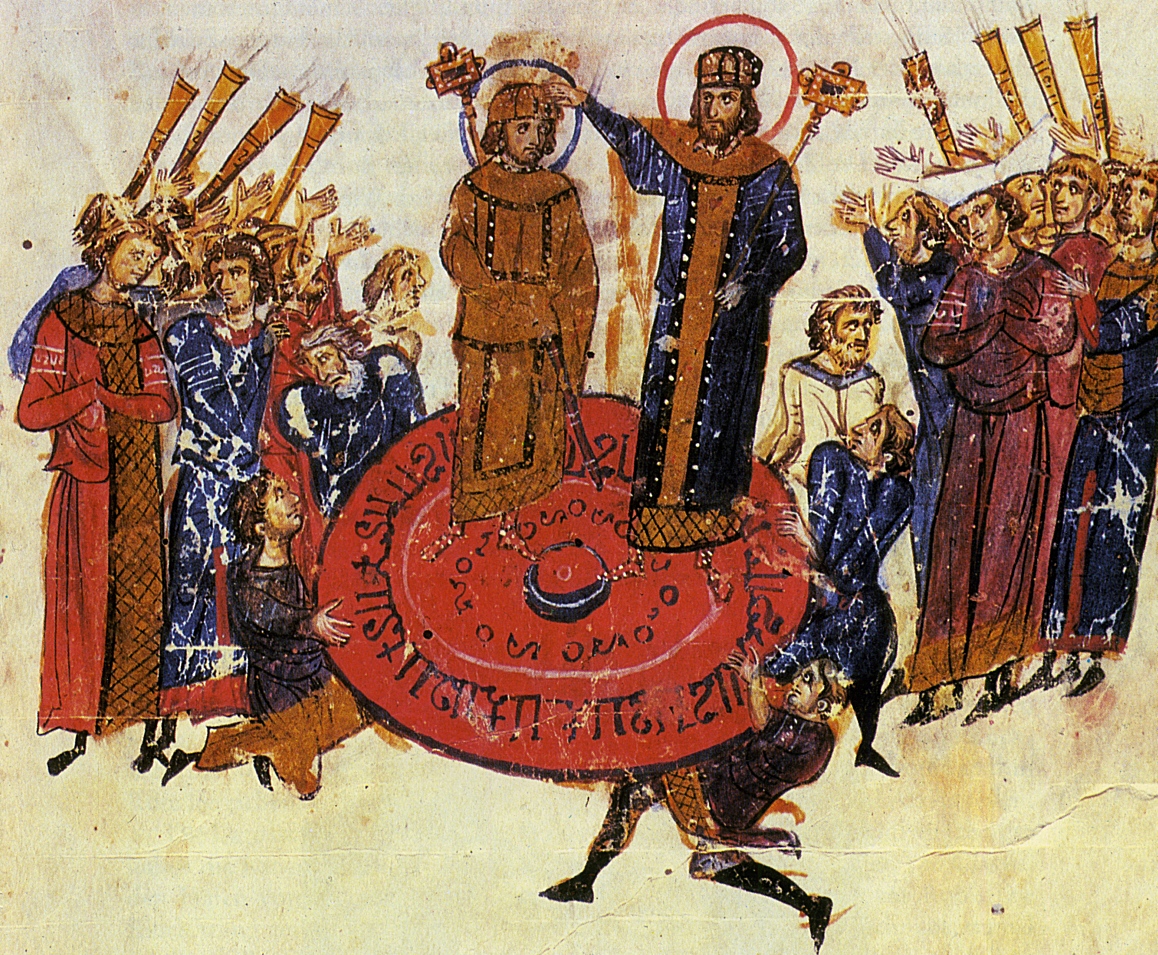
The emperor is elected by the army & voted in by the senate, & thus hailed as Augustus. The emperor would appoint his heir as co-emperor, so this is only occurs when there is no emperor, or when someone seeks to usurp imperial power.
The emperor is the living law (nómos émpsychos), benefactor (euergétis), caretaker (philanthrōpía), & savior (sōtḗr) of his subjects (párœcos). The entire country & all that which is found in it is his household (œcuménē), & he is the house-lawmaker (œconómos). His subjects are able to own industry, trade, & otherwise do anything else in the republic by virtue of the emperor’s authority. So it is impossible to, e.g., bribe him, because he owns all of the money—bearing either his name & face, or that of his father—which he can then take at will.
The senate is seated by some thousand members, all of which are dignitaries & administrators. To be in the senate is to be, & have one’s relatives by extension be, noble—i.e. not plebeian.
The empire is composed of diœceses (diœ́cēsis), which in turn are composed of provinces (théma, eparchía). Provinces are jurisdictions of & around cities, ruled by the governor. The præfect—or duke, or captain—then rules over the governors. Of course, the emperor rules over the præfects.
Many later governments, such as of Russia, were originally structured like a lesser Roman principality. So their princes or kings were never elected but, rather, like the senate, followed the order & precedence of noble houses.
Insignia
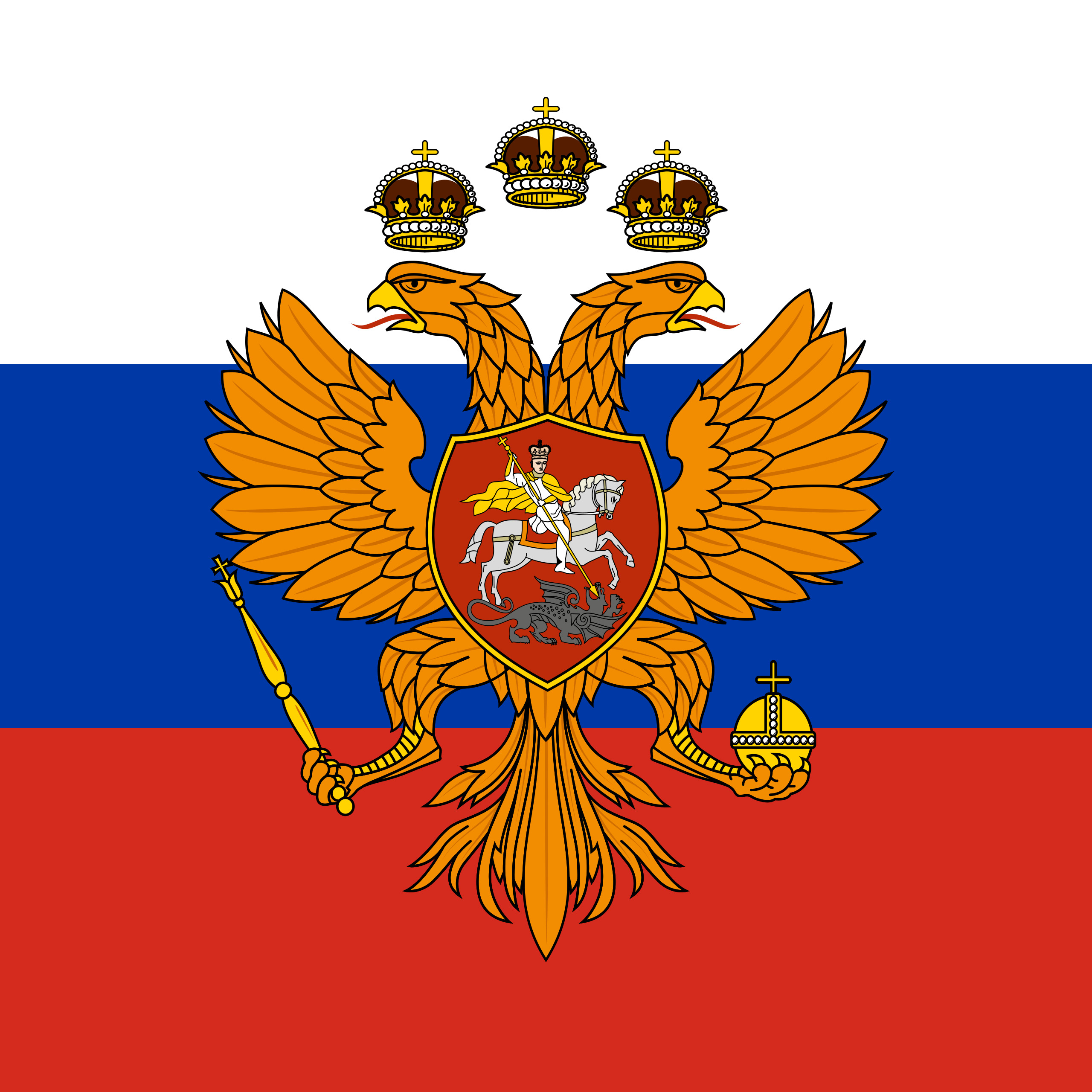
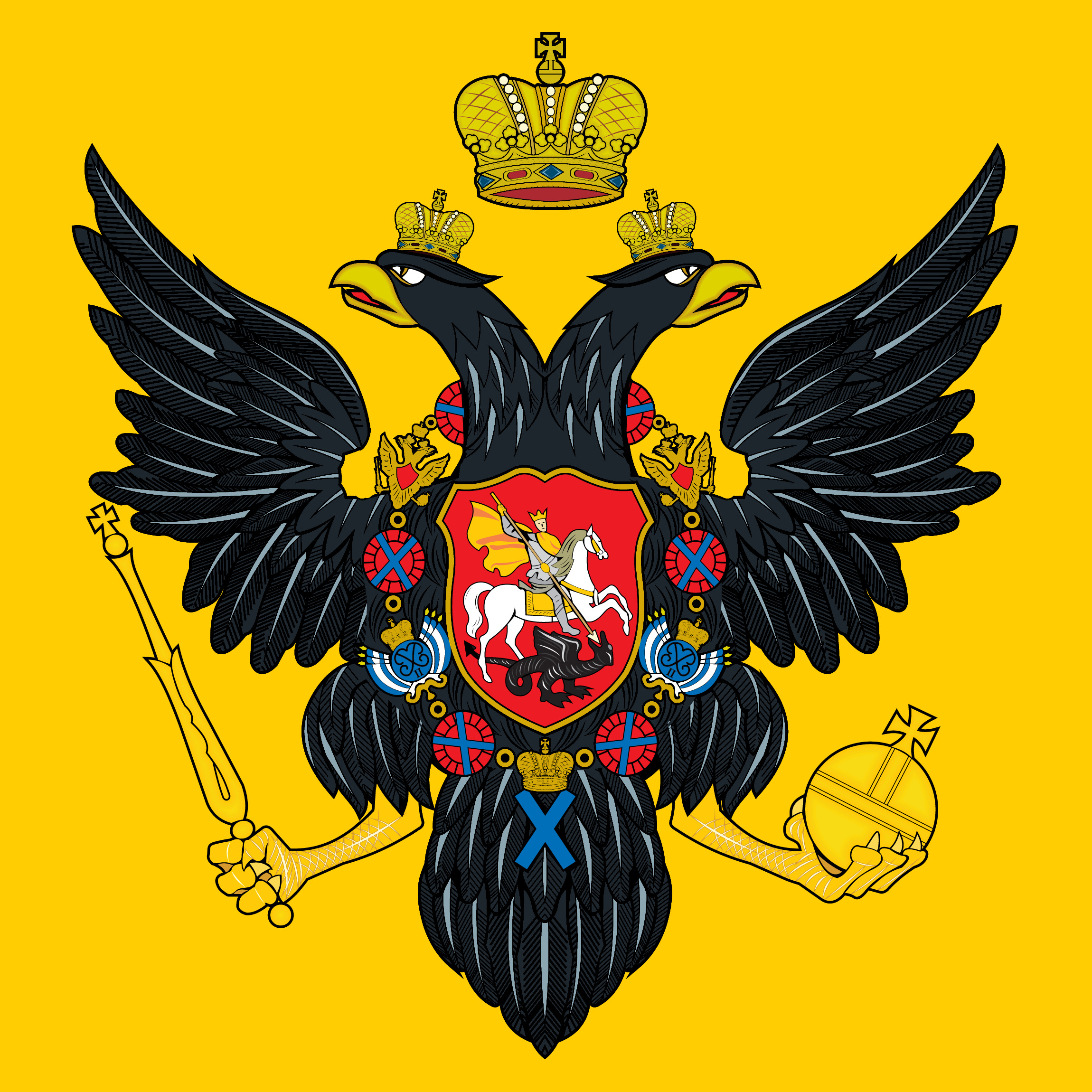
Banners
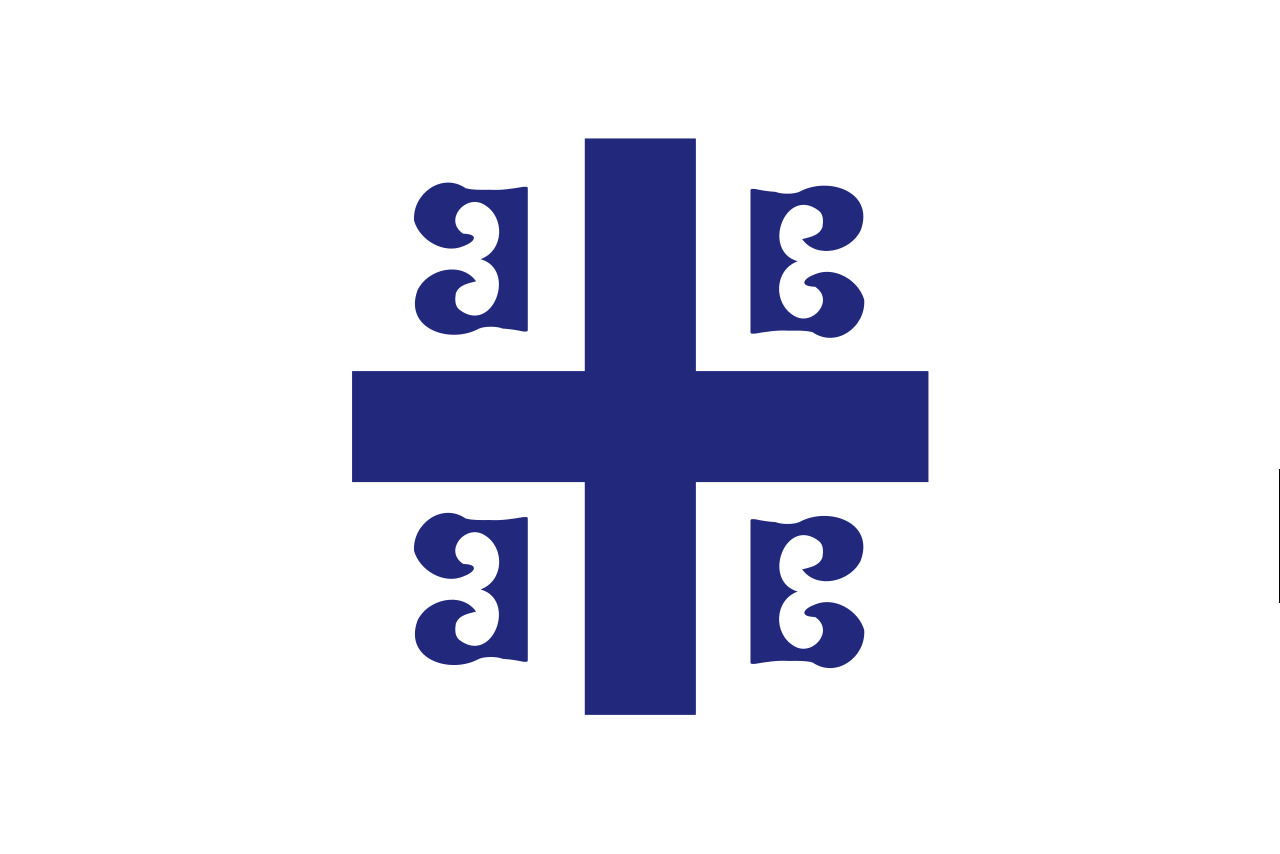

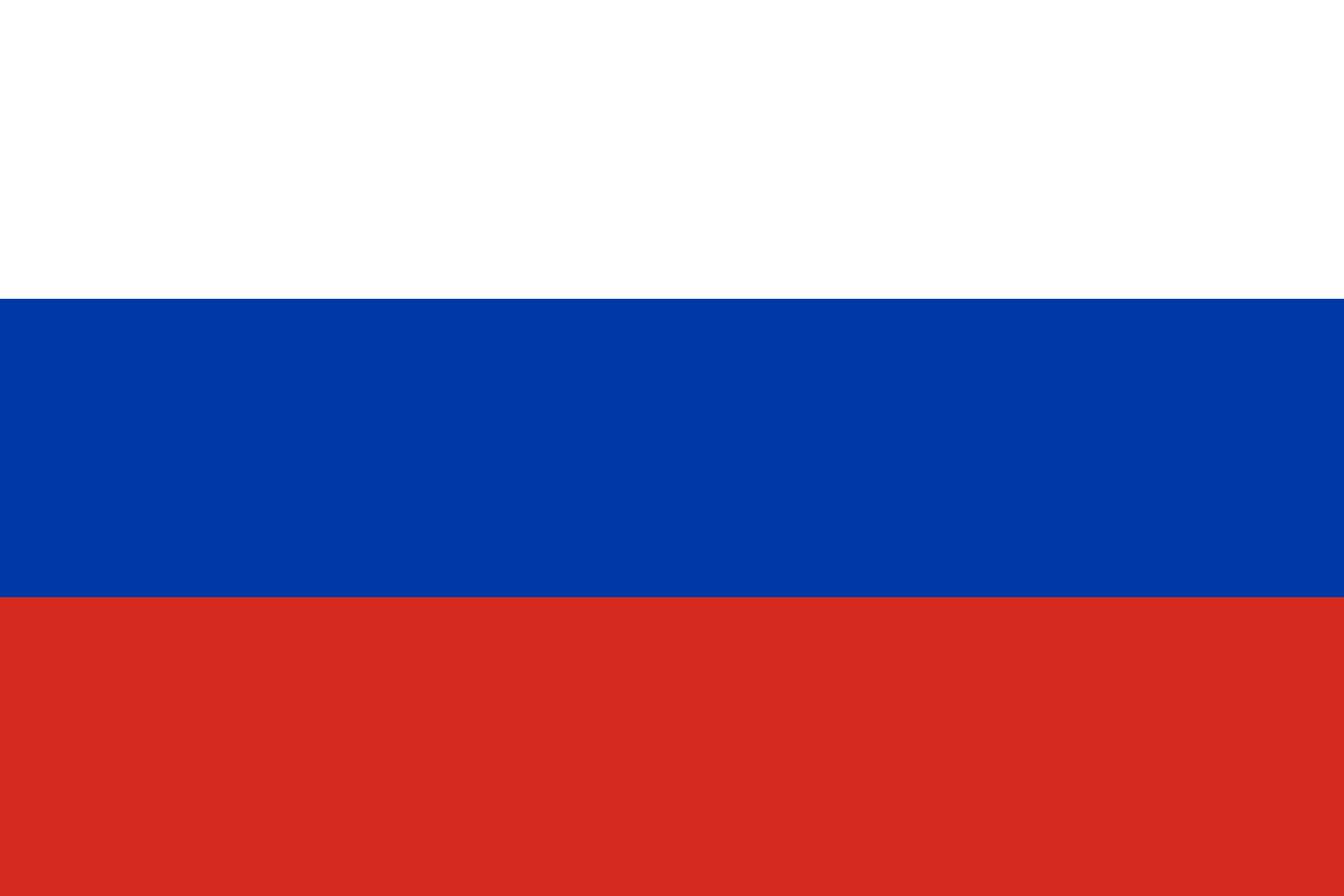

Kingdoms
According to Christians, the first kingdom after upon the earth after the deluge hwas of Nembrod. Before him, the whole world was ruled by Noe, then his son Sem, then after him Arphaxad.
The tower at Babel was in height five-thousand & thirty-three cubits & two palms (8,150 ft., or 1 3/5 mi.), & in width thirteen stadia (7,800 ft., or 1 1/2 mi.). It was built of burnt brick, cemented together with mortar, made of bitumen, during forty-three years.
| 🚧 Under construction 🚧 |
Babylonians
Chaldæan
Beginning from the Tower at Babel:
- Evechius (Nebrod) (2782 AM)
- Chosmasbelus (2790 AM)
- Porus (2825 AM)
- Nechubes (2868 AM)
- Nabius (2916 AM)
- Oniballus (2956 AM)
- Zinzerus (3001 AM)
Arabian
- Mardocentes (3046 AM)
- Mardacus (3086 AM)
- Sisimordacus (3114 AM)
- Nabius (3151 AM)
- Parannus (3191 AM)
- Nabunnabus (3216 AM)
Assyrian
- Belus (3271 AM)
- Ninus (3323 AM)
- Semiramis (3365 AM)
- Ninyas (Zames) (3403 AM)
- Arius (3433 AM)
- Aralius (3473 AM)
- Xerxes (3477 AM)
- Armamithres (3541 AM)
- Belochus (3576 AM)
- Balæus (3637/3628 AM)
- Sethus/Altadas (3660 AM)
- Mamythus (3690 AM)
- Aschalius (3718 AM)
- Sphærus (3740 AM)
- Mamylus (3770 AM)
- Spartheus (3812 AM)
- Ascatades (3850 AM)
- Amyntes (3895 AM)
- Belochus (3920 AM)
- Balatores (3950 AM)
- Lamprides (3980 AM)
- Sosares (4000 AM)
- Lampraes (4030 AM)
- Panyas (4075 AM)
- Sosarmus (4097 AM)
- Mithræus (4124 AM)
- Teutamus (Tautanes) (4156 AM)
- Teutæus (4200 AM)
- Arabelus (4242 AM)
- Chalaus (4287 AM)
- Anebus (4325 AM)
- Babius (4362 AM)
- [Thinæus] (4392 AM)
- Dercylus (4432 AM)
- Eupacmes (4470 AM)
- Laosthenes (4515 AM)
- Pertiads (4545 AM)
- Ophratæus (4566 AM)
- Ephecheres/Ophratenes (4618 AM)
- Acraganes (4660 AM)
- Thonus Concolerus (Sardanapalus) (4676 AM)
Medæn
- Arbaces (4704 AM)
- Mandauces (4724 AM)
- Sosarmus (4754 AM)
- Artycas (4784 AM)
- Diœces (4838 AM)
- Aphraartes (4889 AM)
- Cyraxares (4921 AM)
Chaldæan
- Nabonasar (Salamanasar) (4772 AM)
- Nabius (4780 AM)
- Chinzerus (4785 AM)
- Porus (4785 AM)
- Ilulæus (4790 AM)
- Marsocempadus (4802 AM)
- Arceanus (4807 AM)
- Abasileutus (4809 AM)
- Belibus (4812 AM)
- Aparanadisus (4816 AM)
- Erigebalus (4817 AM)
- Mesesimordacus (4823 AM)
- Aparandisus (4831 AM)
- Isarindinus (4844 AM)
- Saosduchinus (4853 AM)
- Cineladan (4867 AM)
- Nabopalasarus (4888 AM)
- Nabuchodonosor (4931 AM)
- Evilmerodach (4936 AM)
- Nerigolosor (Baltasar) (4942 AM)
Non-dynastic:
- Nabonnedus Assureus (Darius Astyages) (4959 AM)
The Persian king Cyrus conquered Babylon & overthrew Darius Astyages.
Ægyptians
Beginning from the Tower at Babel:
- Menes (Mesraïn) (2811 AM)
- Curodes (2874 AM)
- Aristarchus (2908 AM)
- Spanius (2944 AM)
- ———————
- ———————
- Serapis (3039 AM)
- Sesonchosis (3088 AM)
- Amenemes (3117 AM)
- Amasis (3119 AM)
- Acesephthres (3132 AM)
- Anchoreus (3141 AM)
- Armiyses (3145 AM)
- Chamoïs (3157 AM)
- Miamus (3171 AM)
- Amesesis (3236 AM)
- Uses (3286 AM)
- Rhameses (3315 AM)
- Rhamessomenes (3330 AM)
- Usimares (3361 AM)
- Rhamesseseus (3384 AM)
- Rhamessameno (3403 AM)
- Rhamesse Jubasse (3442 AM)
- Rhamesse (son of Uaphres) (3471 AM)
- Concharis (3476 AM)
- Silites (3496 AM)
- Bæon (3540 AM)
- Apachnas (3576 AM)
- Aphophis (3637 AM)
- Sethus (3687 AM)
- Certus (3718 AM)
- Aseth (3736 AM)
- Amosis (Tethmosis) (3762 AM)
- Chebron (3775 AM)
- Amemphis (3790 AM)
- Amenses (3801 AM)
- Misphragmuthosis (3817 AM)
- Misphres (3840 AM)
- Tuthmosis (3879 AM)
- Amenophthis (3913 AM)
- Horus (3961 AM)
- Achencheres (3986 AM)
- Athoris (4015 AM)
- Chencheris (4041 AM)
- Acherres (4049 AM)
- Armæus (Danaus) (4058 AM)
- Rhamesses (Ægypticus) (4126 AM)
- Amenophis (4134 AM)
- Thuoris (4151 AM)
- Nechepsus (4170 AM)
- Psammuthis (4183 AM)
- ———————
- Certus (4207 AM)
- Rhampsis (4252 AM)
- Amenses (Ammenemes) (4278 AM)
- Ochyras (4292 AM)
- Amendes (4319 AM)
- Thuoris (Polybus) (4369 AM)
- Athothis (Phusanus) (4397 AM)
- Cencenes (4436 AM)
- Uennephis (4478 AM)
- Susacim (4512 AM)
- Psuenus (4537 AM)
- Ammenophis (4546 AM)
- Nephecheres (4552 AM)
- Saïtes (4567 AM)
- Psinaches (4576 AM)
- Petubastes (4620 AM)
- Osorthon (4629 AM)
- Psammus (4639 AM)
- Concharis (4660 AM)
- Osothorn (4675 AM)
- Tacalophis (4688 AM)
- Bocchoris (4732 AM)
- Sabacon the Æthiopian (4744 AM)
- Sebechon (4756 AM)
- Taraces (4776 AM)
- Amaes (4814 AM)
- Stephinathes (4841 AM)
- Nechepsus (4854 AM)
- Nechao (4862 AM)
- Psammetichus (4876 AM)
- Nechao (4885 AM)
- Psammuthis (Psammetichus) (4902 AM)
- Uaphris (4936 AM)
- Amosis (4986 AM)
The Chaldæan king Nabuchodonosor defeated Nechao, & subjugated Ægypt to Babylon. But it was the Persian king Cambyses who overthrew Amosis & conquered Ægypt.
Beginning from the second year of the Persian king Darius Nothus, the Ægyptians rebelled:
- Amyrtæus of Saïs (5098 AM)
- Nepherites (5104 AM)
- Achoris (5117 AM)
- Psammuthis (5119 AM)
- [Nepherites] (5120 AM)
- Nectanebes (5128 AM)
- Nectanebo (5146 AM)
- Teos (5148 AM)
Nectanebo fled Ægypt to Macedonia where he secretly sired Alexander the Great.
Hebrews
Judges
Beginning from the Israelites entrance into Palæstine:
- Josue (son of Nave) (†3884 AM)
- Gothoniel (†3950 AM)
- Aod (†4048 AM)
- Samegar (†4048 AM)
- Debbora (†4108 AM)
- Balac (†4108 AM)
- Gedeon (†4155 AM)
- Thola (†4181 AM)
- Jair (†4201 AM)
- Jephthae (†4225 AM)
- Abæsan (†4232 AM)
- Ælom (†4242 AM)
- Abdon (†4250 AM)
- Sampson (†4310 AM)
- Heli (†4350 AM)
- Samuel (†4390 AM)
Kings
- Saul (†4430 AM)
- David (†4470 AM)
- Solomon (†4510 AM)
| … |
The Hebrews were a nation from Abraham, himself being of the Chaldæans. Their name means “to cross,” in reference to when he crossed the river Euphrates out of Chaldæa into Chanaan. They were then divided into twelve tribes according to the children of Israel (Jacob).
According to Christians, the Hebrews were given over to annihilation by God (cf. Dan. 9:26) in 5579 AM under the Roman emperor Titus. This prophecized event, unlike the Ægyptian servitude (cf. Gen. 15:13) or the Assyrian exile (cf. Esa. 39:6-7, Jer. 25:11-12), has no term given. Eusebius Pamphilius tells us of how they were destroyed:
Titus beseiged the Jews, devastated Jerusalem, & killed sixty thousand men. [Flavius] Joseph also says one million & one hundred thousands perished by famine & the sword, but another thirty thousands of the captives were sold off. He states the feast of Passover was responsible for the great number of people which happened to be at the city. During the festival, the whole nation had come together & were hemmed into the city as if they were in a prison. For it was neccesary that those who had plotted against the Savior during the days of Passover should suffer punishment for what they had dared at no other time but then.
Persians
Achmæmenid
Beginning from Cyrus’ conquest of Babylon:
- Cyrus (4992 AM)
- Cambyses (5000 AM)
- Darius (son of Hystapses) (5037 AM)
- Xerxes (5057 AM)
- Artabanus (5057 AM)
- Artaxerxes Longimanus (5099 AM)
- Xerxes (son of Artaxerxes) (5099 AM)
- Sogdianus (5099 AM)
- Darius Nothus (5119 AM)
- Artaxerxes Mnemon (Arsaces) (5159 AM)
- Ochus (5164 AM)
- Arses (5168 AM)
- Darius (son of Aramus) (5174 AM)
The Greek king Alexander conquered Persepolis & overthrew Darius (son of Aramus).
The later Parthians began with Arsaces (5442 AM), descendent of Artaxerxes Mnemon, & ended with Artabanus (5733 AM), when he fell to the Persian Artaxares, son of Sasanus.
The later Persians, also called the Sasanians, began with Artaxares (5756 AM), son of Sasanus, & ended with Hormisdas (6782 AM), when he fell to the Hagarene Umar.
Panodorus of Alexandria, whose chronology the whole world uses, counts the reign of the Persian king Cyrus as nine years longer than the renowed George Syncellus. Therefore, for any given date by Syncellus after Cyrus, add nine years.
Greeks
Sicyonian
Beginning from Nachor’s seventy sixth year:
- Ægialeus (3291 AM)
- Europs (3336 AM)
- Telchin (3365 AM)
- Apis (3390 AM)
- Thelxion (3442 AM)
- Ægydrus (3476 AM)
- Thurimachus (3521 AM)
- Leucippus (3574 AM)
- Mesappus (3621 AM)
- Erastus (3667 AM)
- Plemnæus (3717 AM)
- Orthopolis (3780 AM)
- Echryeus (3835 AM)
- Marathonius (3865 AM)
- Marathius (3885 AM)
- Corax (3915 AM)
- Epopeus (3947 AM)
- Laomedon (3990 AM)
- Sicyon (3990 AM)
- Polybus (4075 AM)
- Inachus (4120 AM)
- Hephæstus (4130 AM)
- Adrastus (4137 AM)
- Polyphides (4168 AM)
- Pelasgus (4188 AM)
- Zeuxippus (4217/4205 AM)
After Zeuxippus, the priests of Carnius ruled the Sicyonians, until 4238 AM.
Agrive
Beginning from the Assyrian king Bascheleus’ third year:
- Inachus (3748 AM)
- Phoroneus (3808 AM)
- Apis (Sarapis) (3843 AM)
- Argus (3913 AM)
- Criasus (3968 AM)
- Phorbas (3993 AM)
- Triopas (4029 AM)
- Crotopus (4053 AM)
- Sthenelus (4064 AM)
The Ægyptian king Danaus (Armæus), when overthrown by his brother, fled to Greece & overthrew Sthenelus.
Danaan
- Danaus (Aramæus) (4122 AM)
- Lynceus (4157 AM)
- Abas (4194 AM)
- Perseus (Prœtus) (4211 AM)
- Acrisius (4244 AM)
Pelopennesian
- Pelops (4279 AM)
- Atreus (4312 AM)
- Agamemnon (4330 AM)
- Ægisthus (4335 AM)
- Orestes (4358 AM)
After Orestes, the sons of Hyllus, son of Heracles—also called the Dorians—conquered the Pelopennese.
Lacedæmonian
- Eurystheus (4465 AM)
- Agis (4466 AM)
- Echestratus (4601 AM)
- Labotes (4638 AM)
- Dorysthus (4667 AM)
- Agesilaus (4608 AM)
- Archelaus (4670 AM)
- Teleclus (4709 AM)
- Alcamenes (4744 AM)
Corinthian
- Aletes (4461 AM)
- Ixion (4499 AM)
- Agelas (4534 AM)
- Prymnes (4569 AM)
- Bacchis (4604 AM)
- Agelas (4631 AM)
- Eudemus (4657 AM)
- Aristomedes ( AM)
- Agemon (4708 AM)
- Alexander (4733 AM)
- Telestes (4745 AM)
- Automenes (4746 AM)
After Alcamenes & Automenes, an annual succession of kings followed.
Athenians
Cecrops the Double-natured’s depiction as half-man & half-serpent, according to some, symbolizes being of two tongues, Greek & Ægyptian.
- Cecrops the Double-natured (3995 AM)
- Cranaus (4004 AM)
- Amphyction (4014 AM)
- Erichthonius (Erichtheus) (4064 AM)
- Pandion (4104 AM)
- Erichtheus (4154 AM)
- Cecrops (4194 AM)
- Pandion (son of Erichtheus) (4214 AM)
- Ægeus (4267 AM)
- Theseus (4298 AM)
- Menestheus (4331 AM)
- Demophon (4354 AM)
- Oxyntes (4364 AM)
- Aphidas (4365 AM)
- Thymœtes (4374 AM)
- Melanthus the Pylian (4411 AM)
- Codrus (4432 AM)
After the kings, the archons follow:
- Medon (4452 AM)
- Acastus (4487 AM)
- Arcchipus (4506 AM)
- Thersippus (4546 AM)
- Phorbas (4576 AM)
- Megacles (4604 AM)
- Diognetus (4632 AM)
- Pherecles (4651 AM)
- Ariphron (4671 AM)
- Thespieus (4698 AM)
- Agamistor (4715 AM)
- Æschylus (4729 AM)
- Alcmæon (4731 AM)
- Æschylus (son of Charops) (4741 AM)
- Æsimides (4751 AM)
- Cleodicus (4761 AM)
- Hippomenes (4771 AM)
- Leocrates (4781 AM)
- Apsandrus (4791 AM)
- Eryxias (4801 AM)
| … |
Macedonian
- Caranus (brother of Phidon) (4731 AM)
- Cœnus (4759 AM)
- Tyrmas (4804 AM)
- Perdiccas I (4852 AM)
- Argæus I (4886 AM)
- Philip I (4921 AM)
- Aeropas (4944 AM)
- Alcetas (4972 AM)
- Amyntas I (5014 AM)
- Alexander I (5058 AM)
- Perdiccas II (5081 AM)
- Archelaus I (5095 AM)
- Orestes (5098 AM)
- Archelaus II (5102 AM)
- Amyntas II (5103 AM)
- Pausanias (5104 AM)
- Amyntas III (5109 AM)
- Argæus II (5111 AM)
- Amyntas IV (5123 AM)
- Alexander II (5124 AM)
- Ptolemy (5127 AM)
- Perdiccas II (5133 AM)
- Philip II (5156 AM)
After Philip II, Alexander the Great became king of Macedonia & conquered the world.
Alexandrian
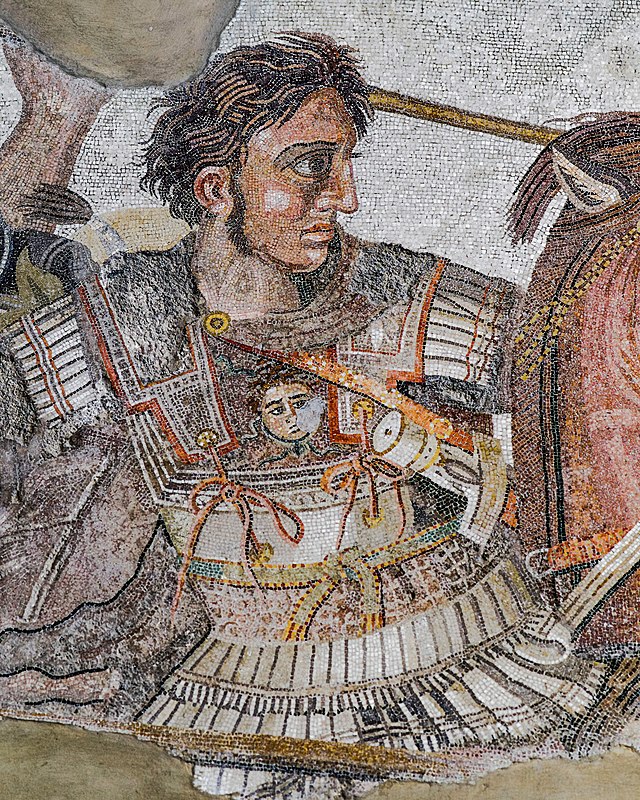
Beginning from Alexander’s conquest of Babylon:
- Alexander the Great (5177 AM)
- Ptolemy (son of Lagus) (5220 AM)
- Ptolemy Philadelphus (5258 AM)
- Ptolemy Evergetes (5282 AM)
- Ptolemy Philopator (5299 AM)
- Ptolemy Epiphanes (5323 AM)
- Ptolemy Philometor (5358 AM)
- Ptolemy Evergetes (5386 AM)
- Ptolemy Phuscon Soter (5404 AM)
- Ptolemy Alexander (5411 AM)
- Ptolemy Dionysus (5455 AM)
- Cleopatra (5481 AM)
The Roman dictator Julius Cæsar subjugated Alexandria to Rome, but it was Cæsar Augustus who overthrew Cleopatra & conquered Alexandria.
As for the other partitions of Alexander’s empire:
The Macedonian dynasty began with Arrhidæus (5187 AM), & ended with Perseus (5343 AM), when he fell to the Roman consul Æmilius Marcus.
The Asian dynasty began with Antigonus (5198 AM), & ended with Demetrius Poliorcetes (5217 AM), when he fell to Seleucus Nicanor.
The Antiochian dynasty, also called the Seleucidæ, began with Seleucus Nicanor (5213 AM), & ended with Antiochus Cyzicenus (5395 AM), when he fell to the Roman consul Pompey the Great.
Romans
Latin
Beginning from the conquest of Troy:
- Æneas (4343 AM)
- Ascanius (4480 AM)
- Silvius (son of Æneas) (4509 AM)
- Silvius (4540 AM)
- Æneas (son of Silvius) (4590 AM)
- Silvius (4620 AM)
- Anchises (4530 AM)
- Ægyptius Silvius (4550 AM)
- Cappys Silvius (4584 AM)
- Tiberius (4632 AM)
- Aremulus Silvius (4651 AM)
- Carmentus (4667 AM)
- Silvius (4685 AM)
- Procas Silvius (4717 AM)
- Amulius Silvius (4740 AM)
- Numitor (4742 AM)
Roman
- Romulus (4780 AM)
- Numa Pompilius (4821 AM)
- Tullus Hostilius (Silvius) (4853 AM)
- Ancus Marcius (4876 AM)
- Tarquinius (4913 AM)
- Servius (Silvius Tullus) (4957 AM)
- Tarquinius Superbus (4981 AM)
Tullus Hostilius was the first to don the purple mantle & hold a royal scepter.
Consuls
| … |
- Gaius Julius Cæsar (5468 AM)
Julian
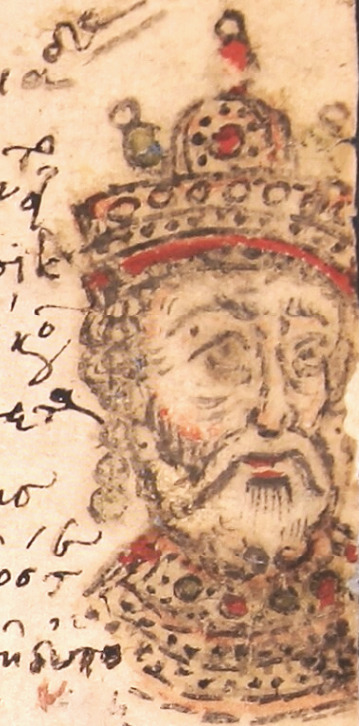
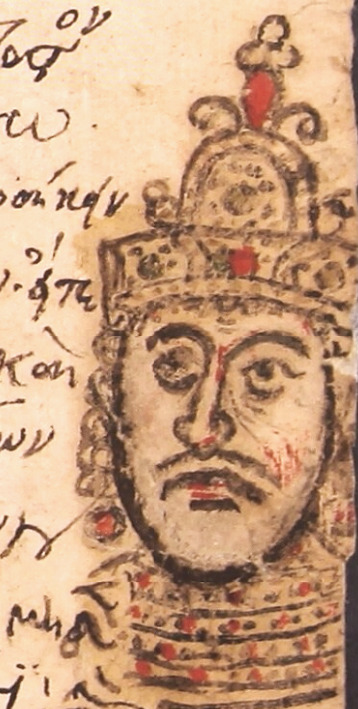

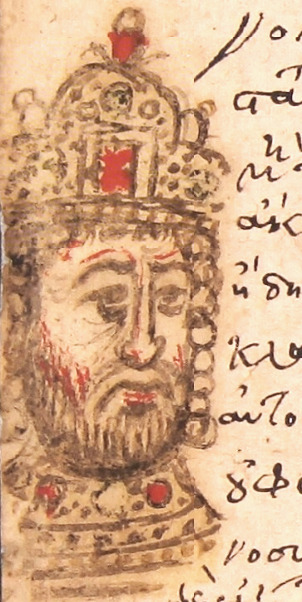
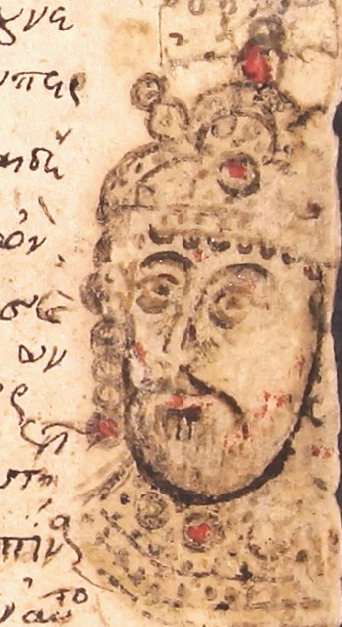
- Cæsar Augustus (5524 AM)
- Tiberius (5546 AM)
- Gaius Caligula (5549 AM)
- Claudius (5562 AM)
- Nero (5575 AM)
Cæsar Augustus was the first to be called emperor.
Flavian
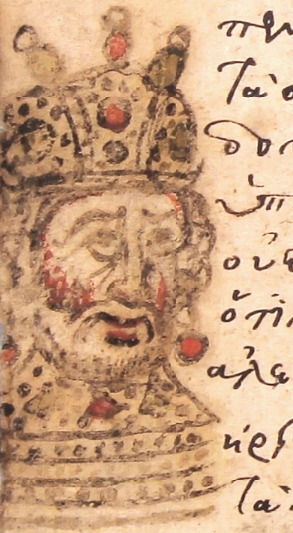
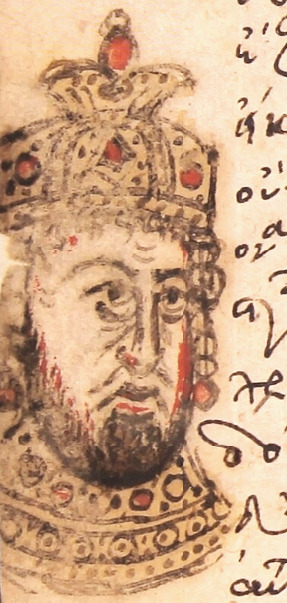
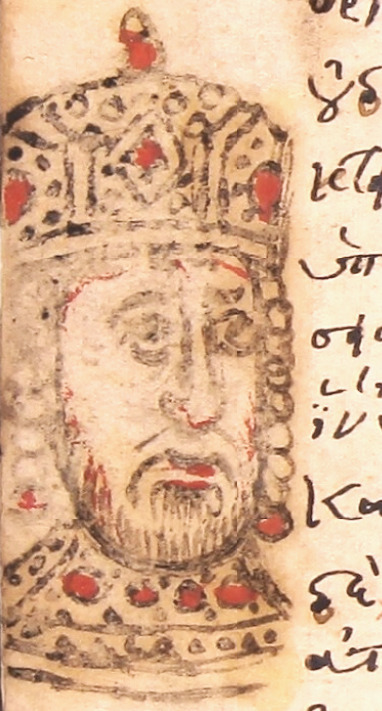
- Vespasian (5585 AM)
- Titus (5586 AM)
- Domitian (5597 AM)
Nervan
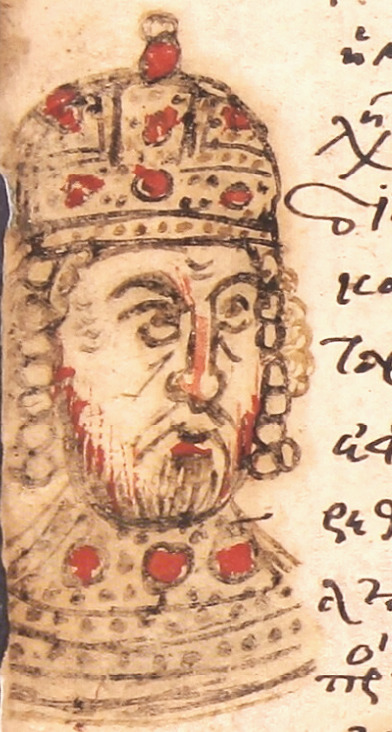
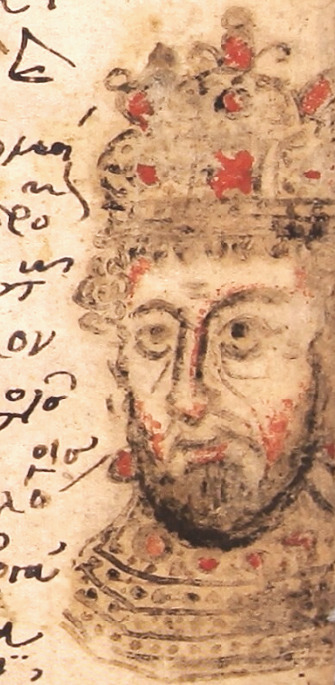
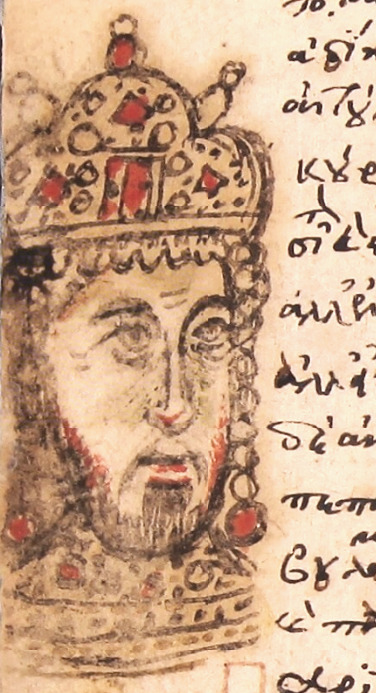
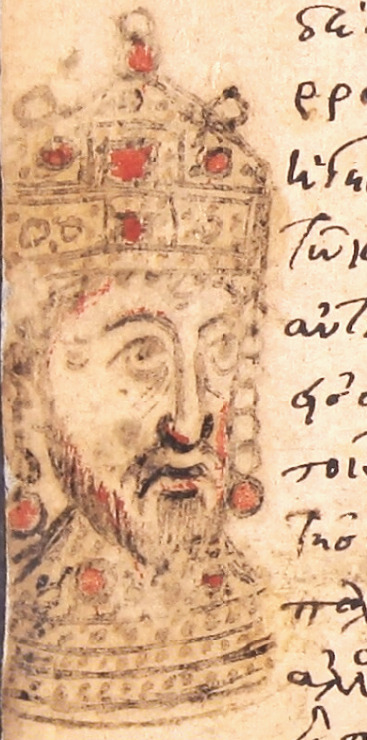
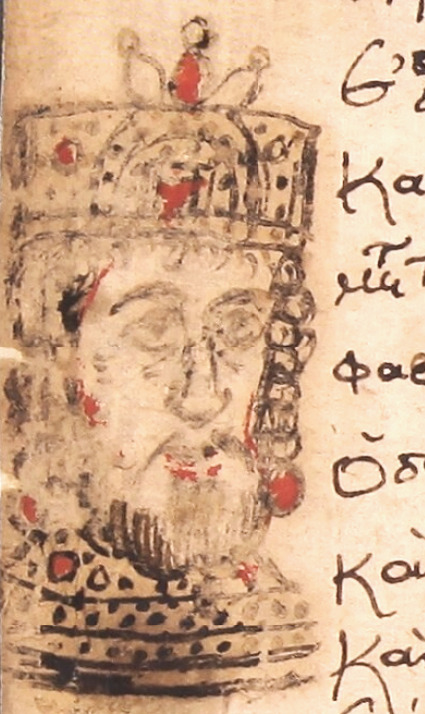
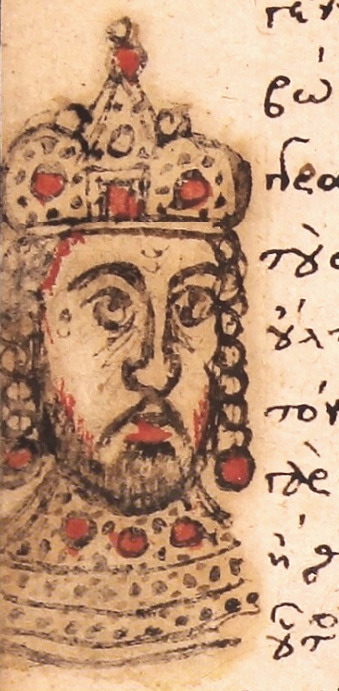
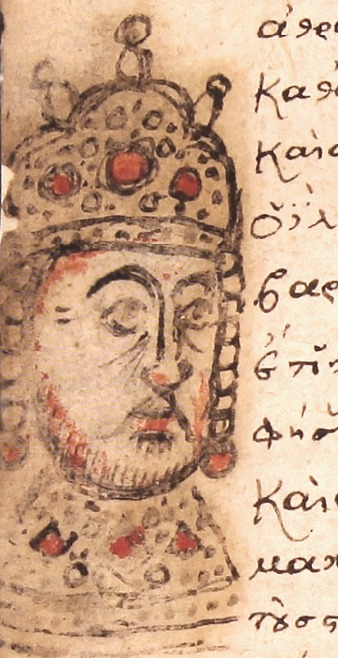
- Nerva (5598 AM)
- Trajan (5616 AM)
- Ælius Hadrian (5639 AM)
- Titus Antoninus Pius (5662 AM)
- Marcus Aurelius Verus (5681 AM)
- Commodus (5694 AM)
Non-dynastic:
- Helvius Pertinax (5694 AM)
Severan
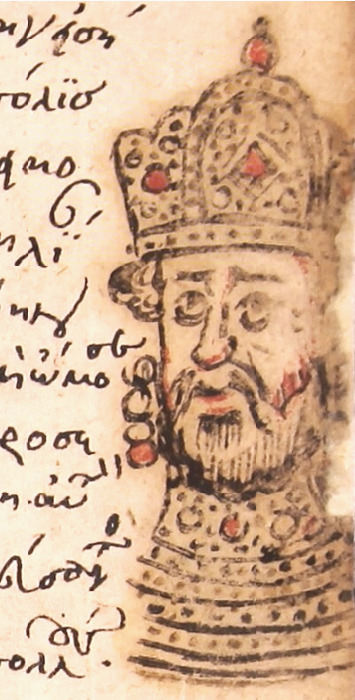
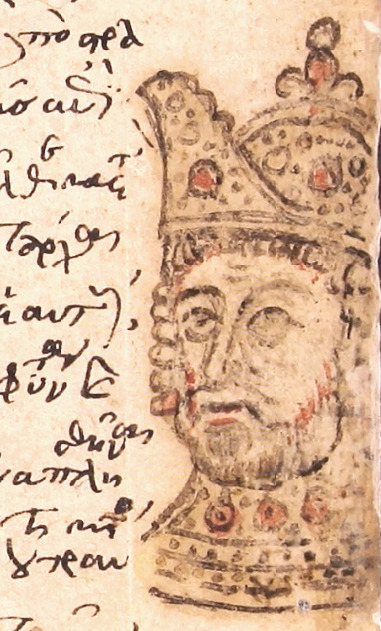
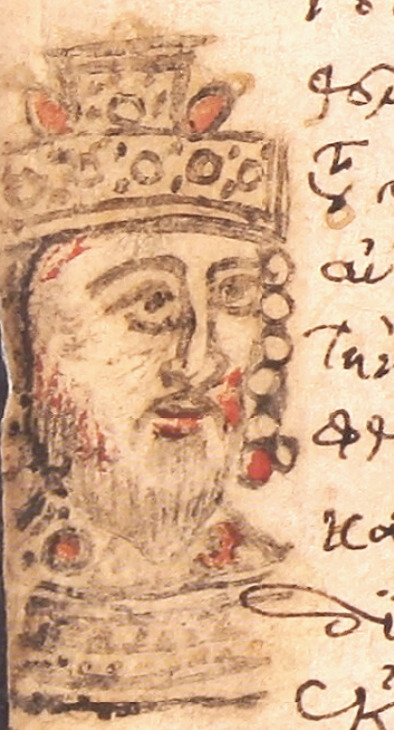
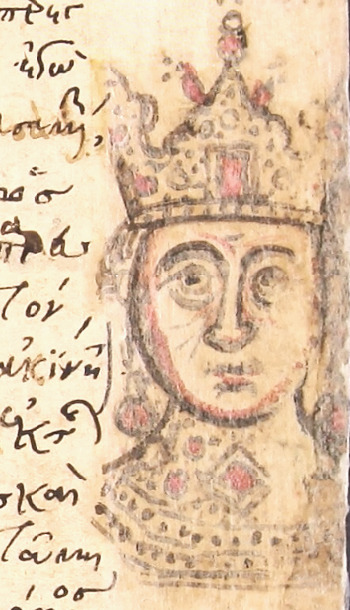
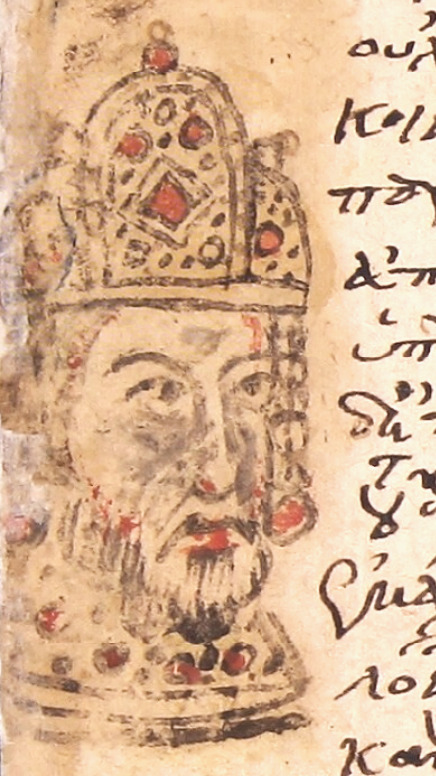
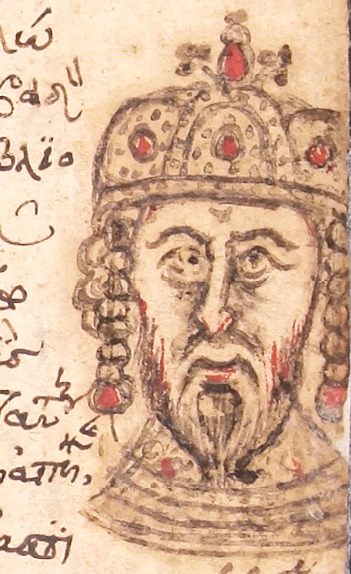
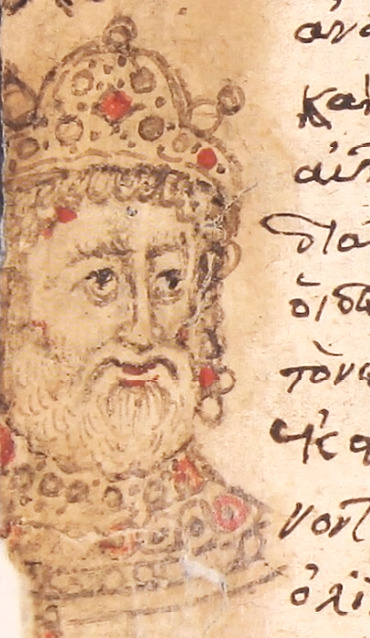
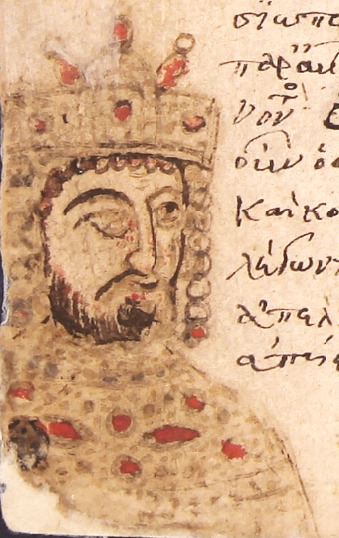
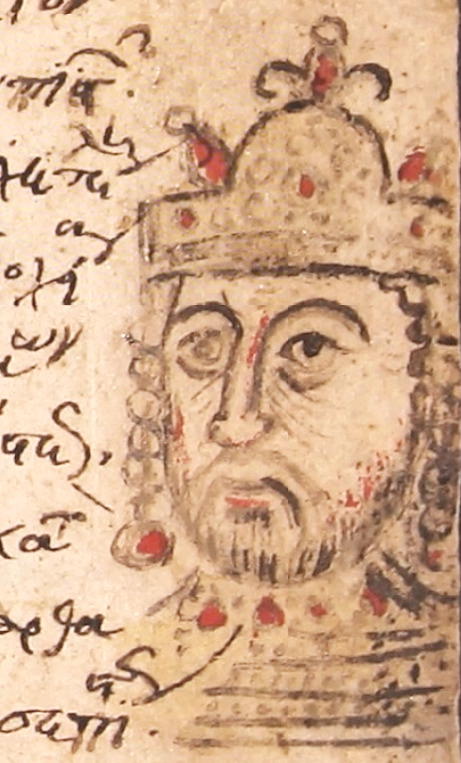
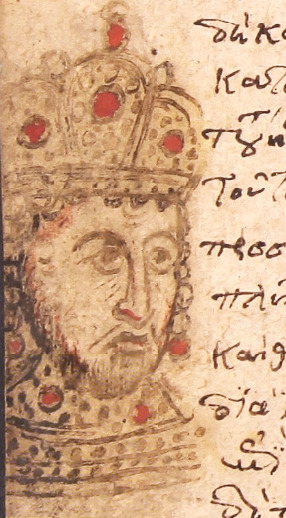
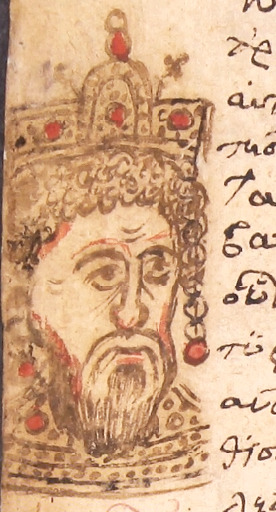
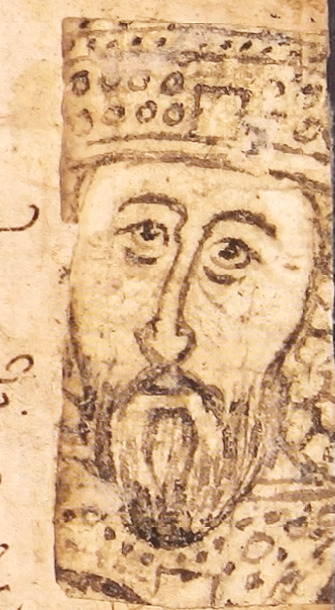
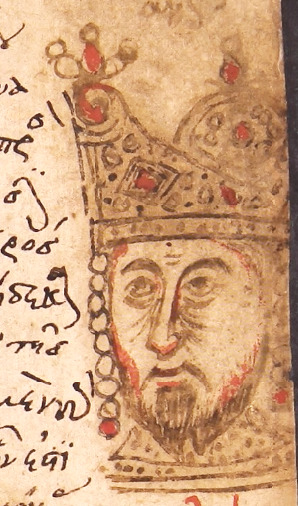
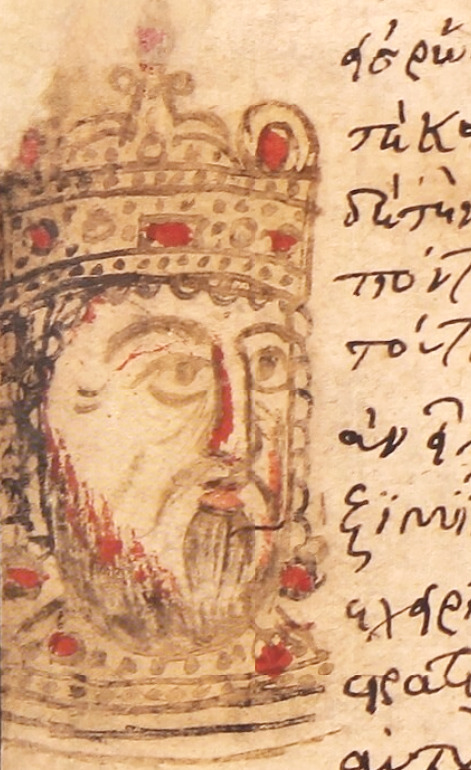
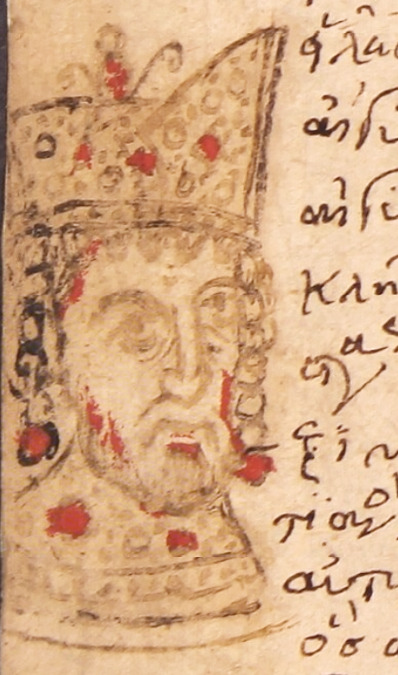
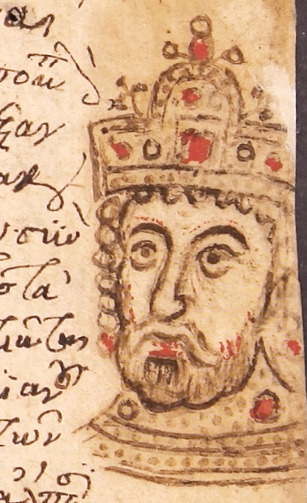
- Severus (5712 AM)
- Antoninus Caracalla (5718 AM)
- Macrinus (5719 AM)
- Aurelius Antoninus (5723 AM)
- Alexander (son of Mamæa) (5737 AM)
Non-dynastic:
- Maximinus (5746 AM)
- Gordian (5752 AM)
- Philip (†5759 AM)
- Decius (5761 AM)
- Gallus (5764 AM)
- Valerian (5779 AM)
- Claudius (5780 AM)
- Aurelian (5786 AM)
- Tacitus (5786 AM)
- Florian (5786 AM)
- Probus (5792 AM)
- Carus (5794 AM)
- Diocletian (5814 AM)
- Galerius (Maximianus Jovius) (5816 AM)
Constantinian
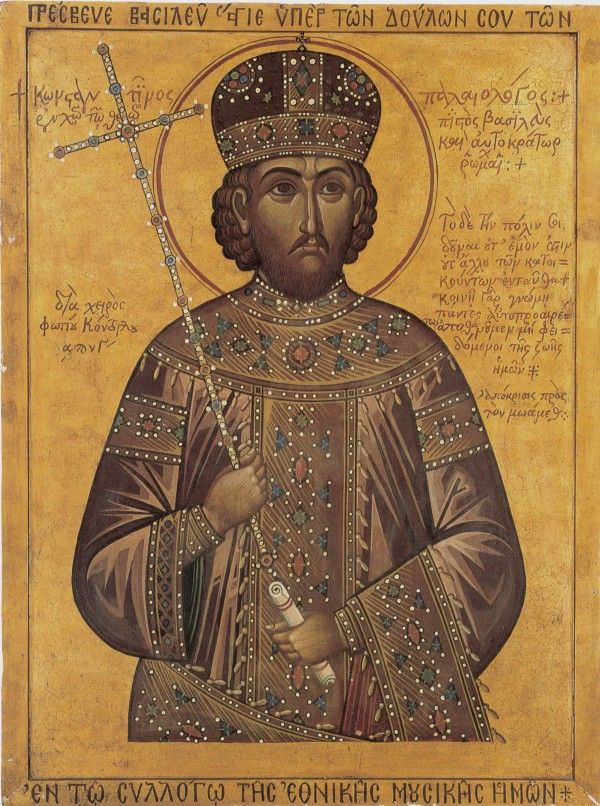
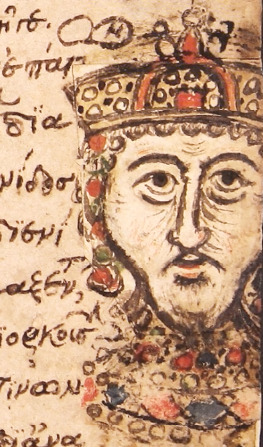
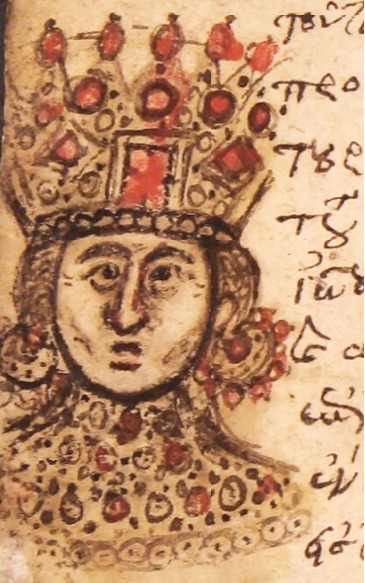
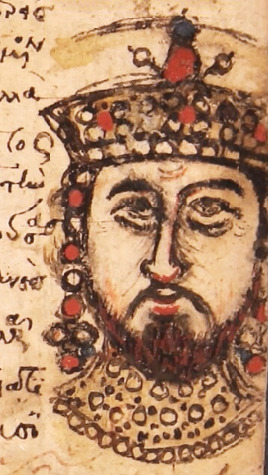
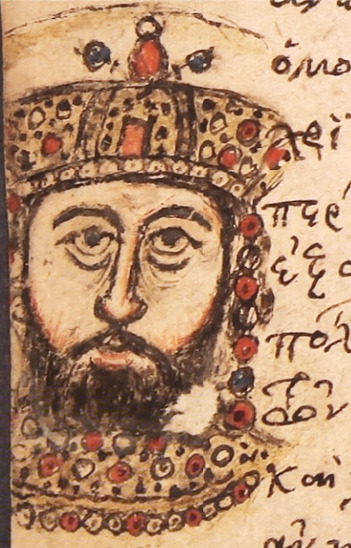
- St. Constantine the Great (†5846 AM)
- Constantius (†5870 AM)
Non-dynastic:
- Jovian (†5872 AM)
Only the gentiles remember Julian the Apostate (5871 AM) as an emperor. Christians omit his name.
Valentinian
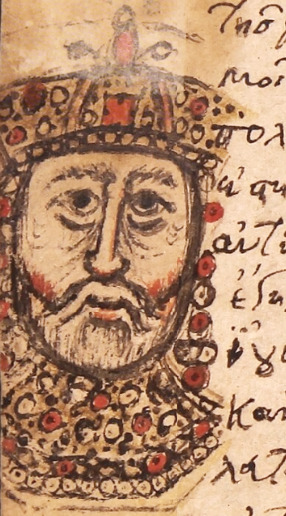
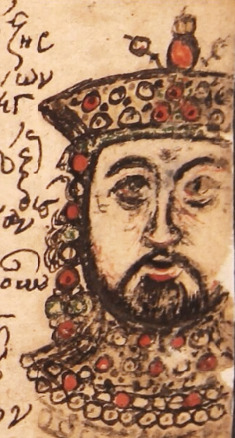
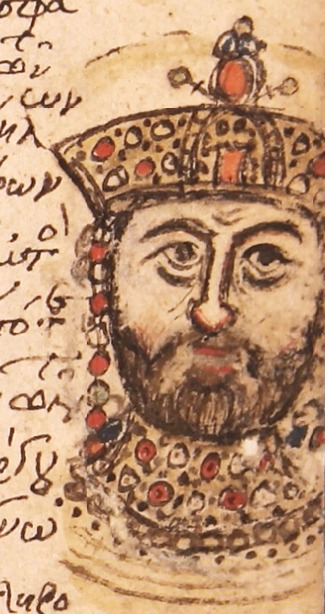
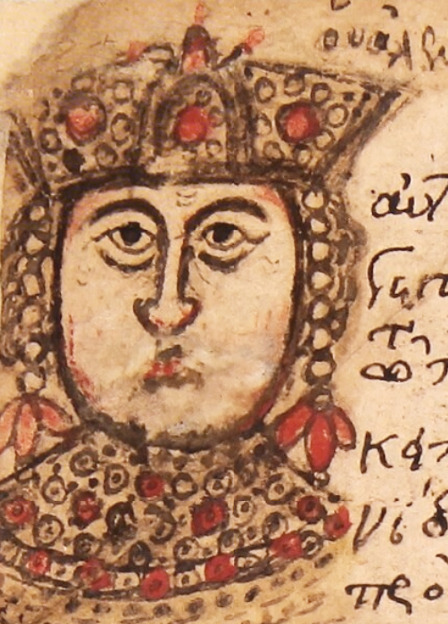
- Valentinian the Great (†5873 AM)
- Valens (†5886 AM)
- Gratian (†5887 AM)
- Valentinian (†5900 AM)
Theodosian
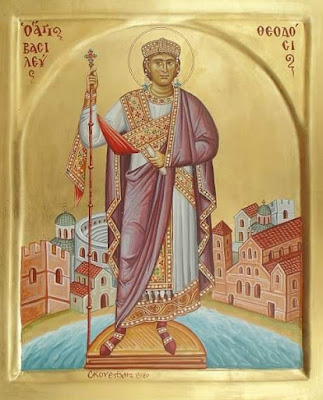
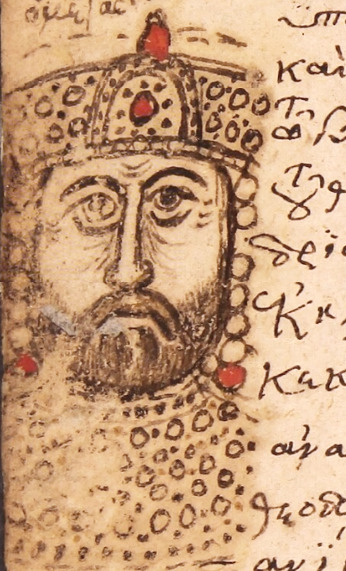
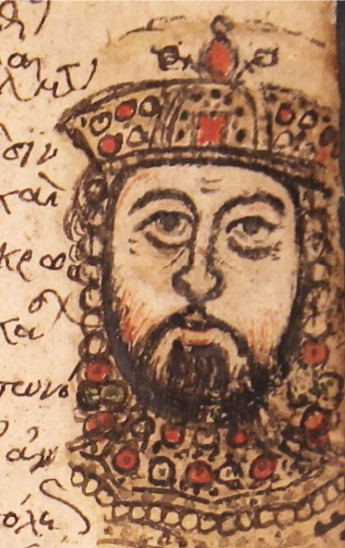
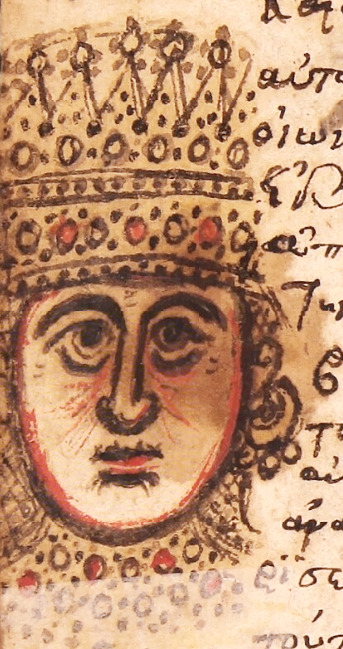
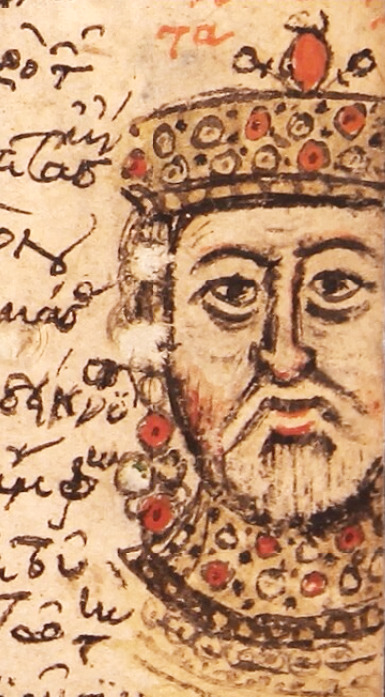
- Theodosius the Great (†5903 AM)
- Arcadius (†5916 AM)
- Honorius (†5931 AM)
- St. Theodosius the Younger (†5958 AM)
- St. Plucheria (†5961 AM)
- St. Marcian (†5965 AM)
Leonid
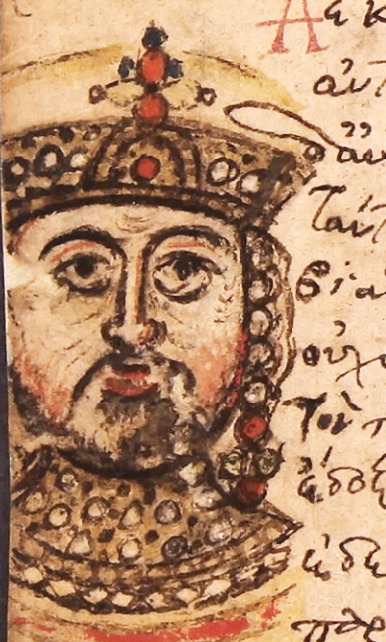
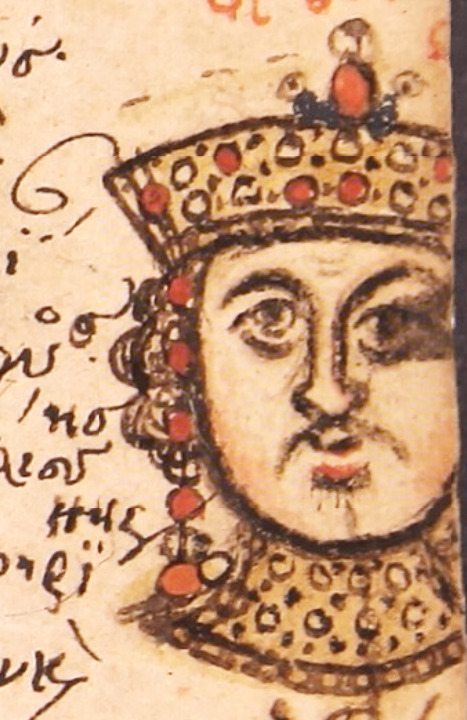
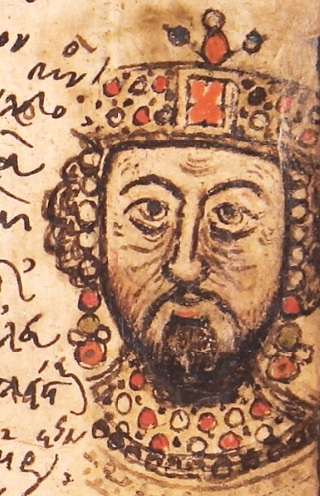
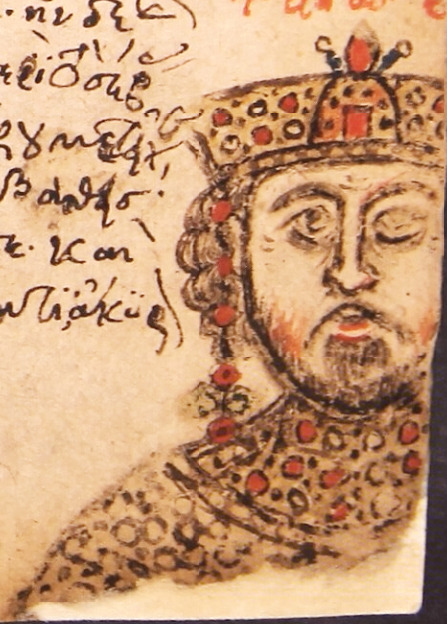
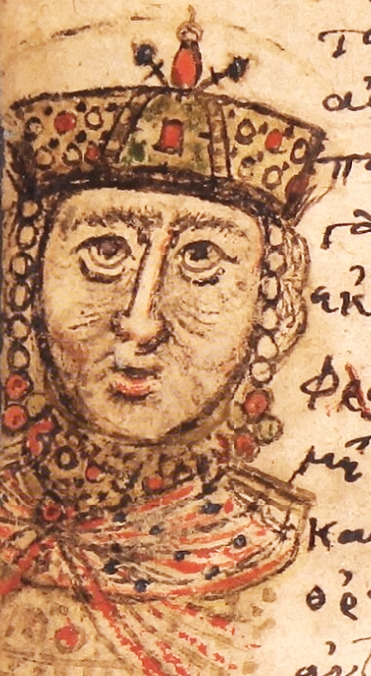
- St. Leo the Great (†5982 AM)
- Leo the Younger (†5983 AM)
- Zeno (†5988 AM)
- Basiliscus (†5984 AM)
- Anastasius Dicorus (†6026 AM)
Justinian
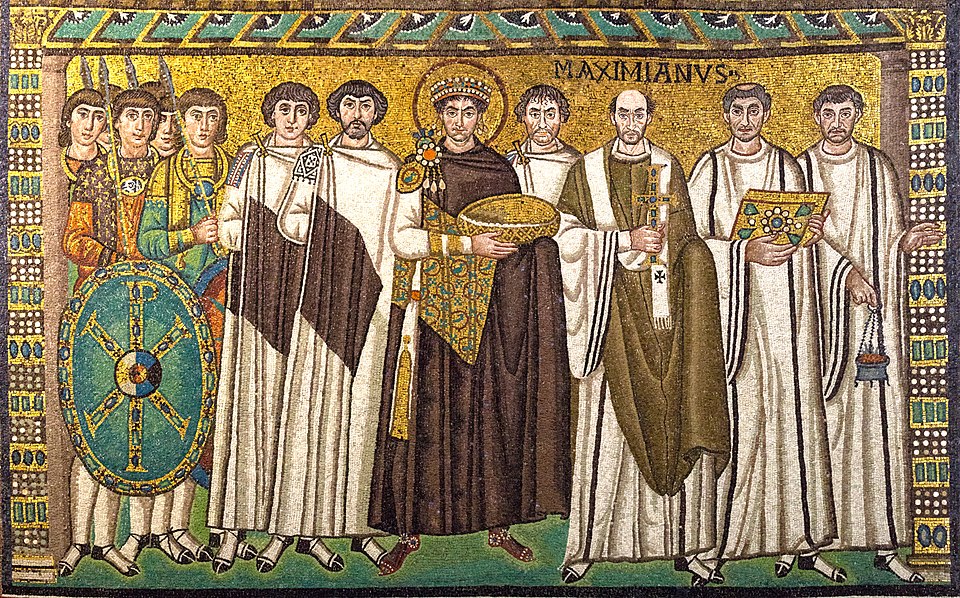
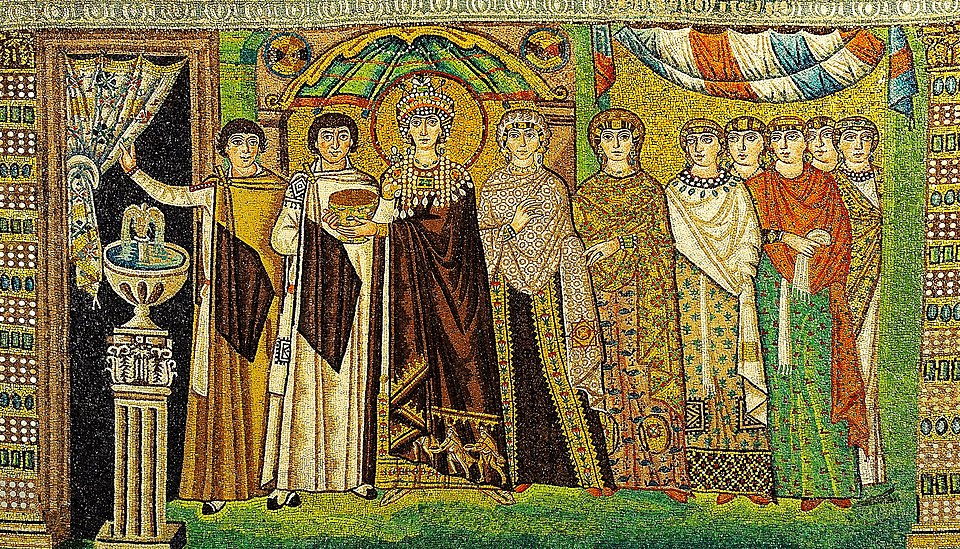
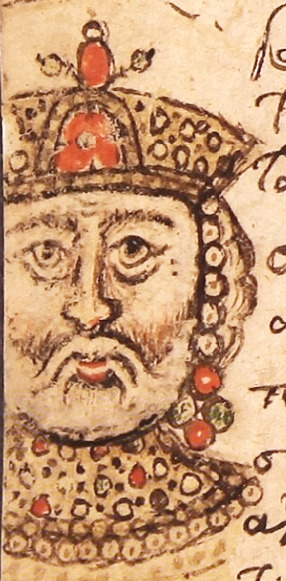
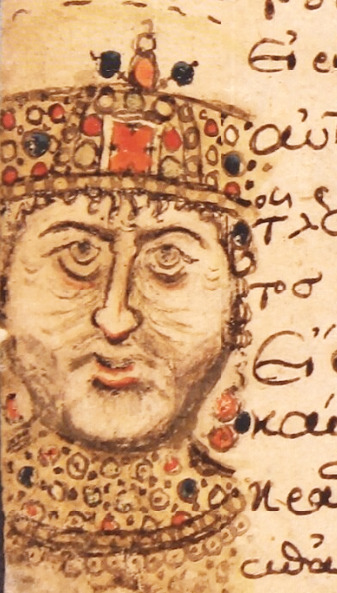
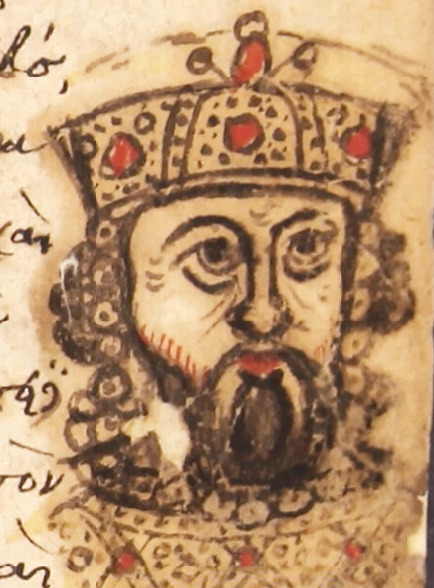
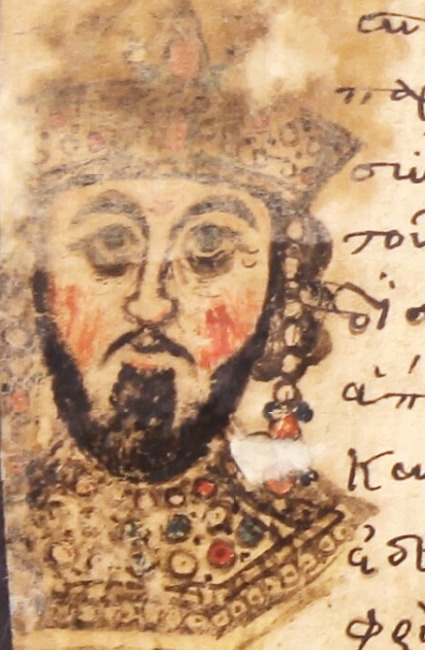
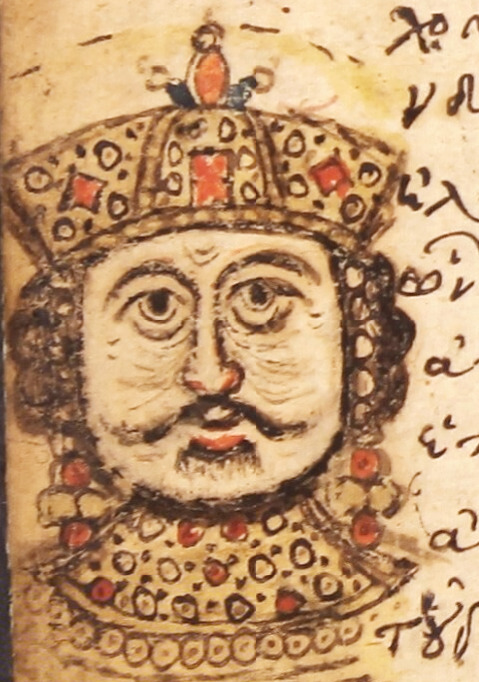
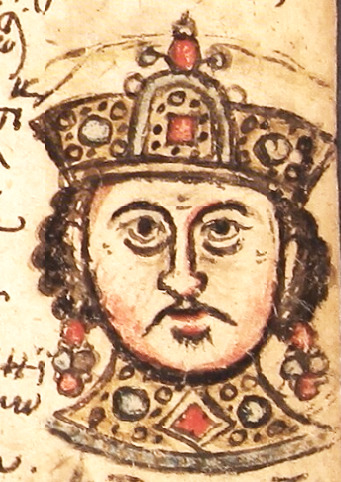
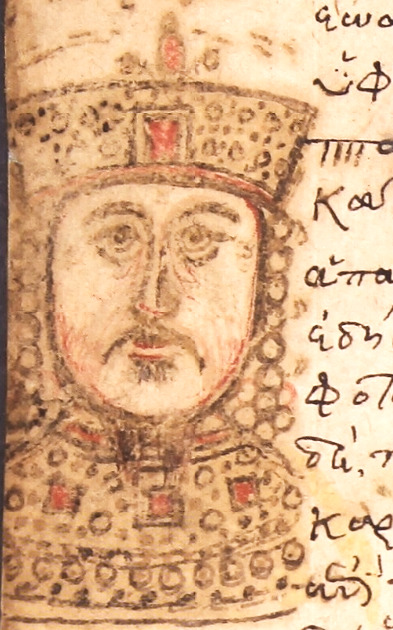
- Justin the Thracian (†6035 AM)
- St. Justinian the Great (†6074 AM)
- Justin (†6087 AM)
- Tiberius Constantine (†6090 AM)
- Maurice (†6111 AM)
- Theodosius (†6111 AM)
Non-dynastic:
- Phocas (†6119 AM)
Heraclian

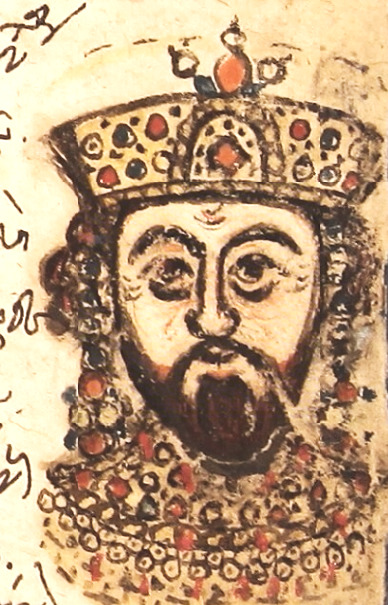
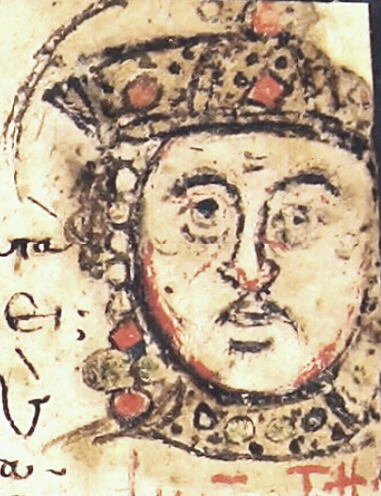
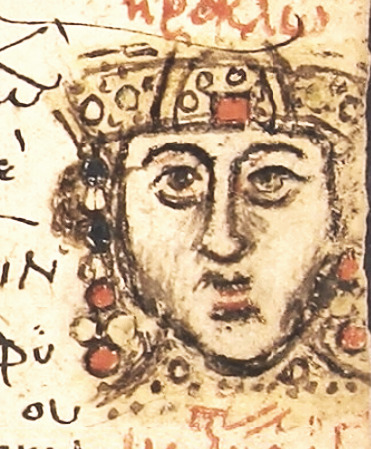
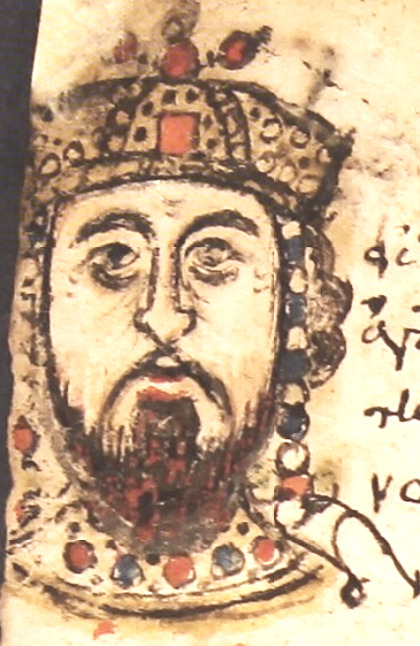
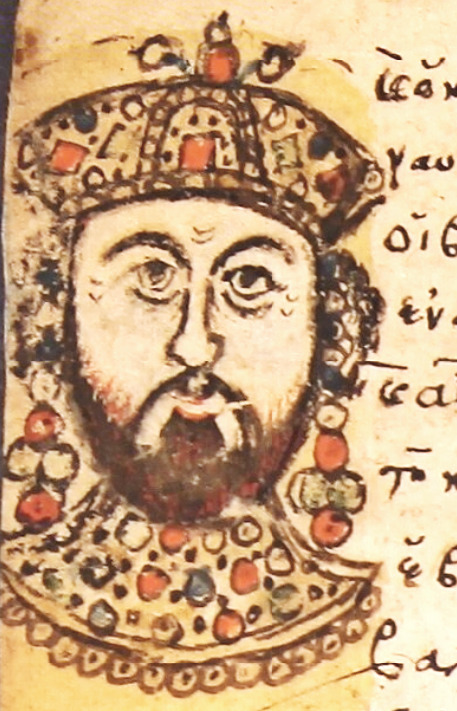
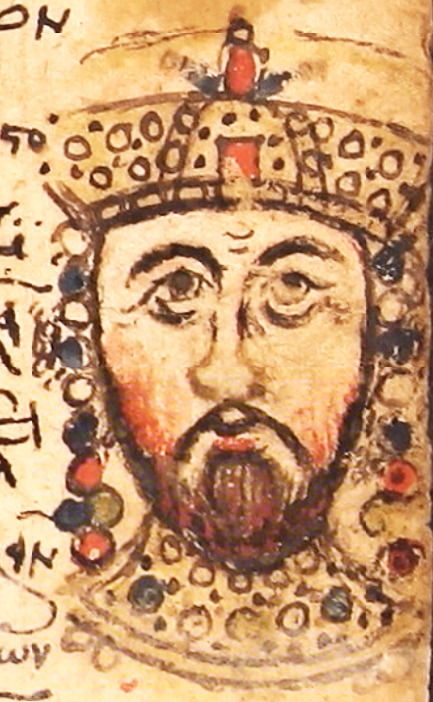
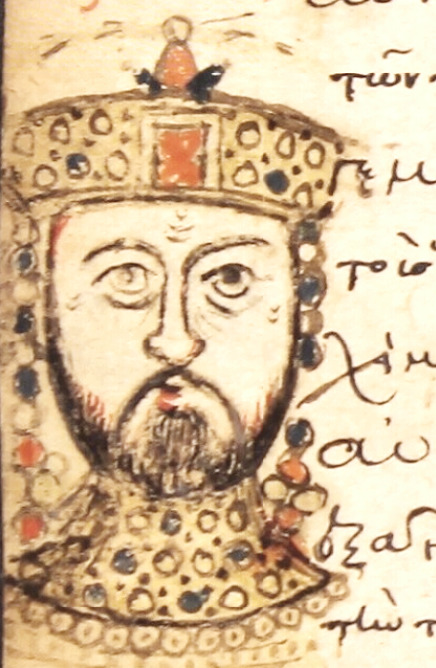
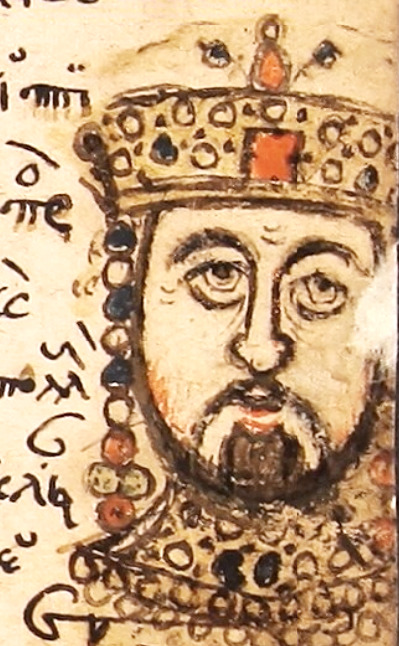
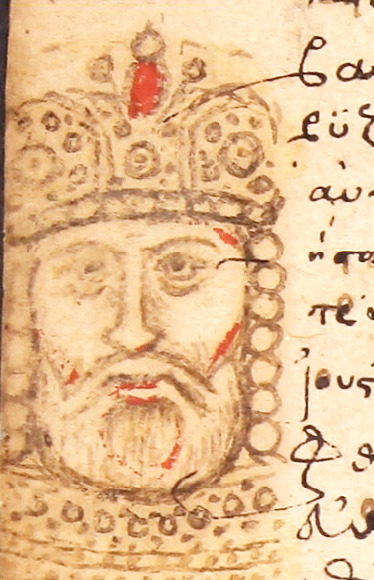
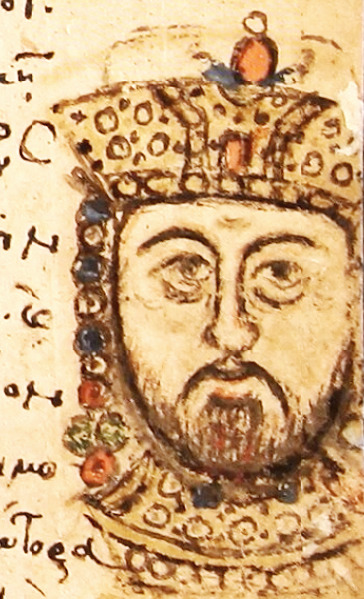
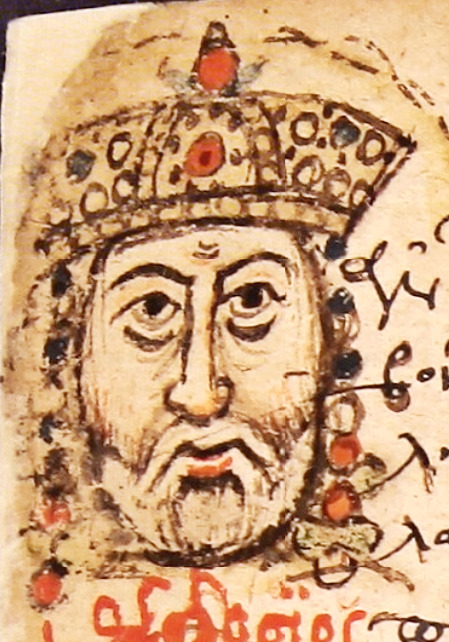
- Heraclius (†6149 AM)
- Heraclius Constantine (†6149 AM)
- Heraclonas (†6150 AM)
- Constans Pogonatus (†6176 AM)
- St. Constantine the New (†6193 AM)
- Justinian Rhinotmetus (†6220 AM)
Non-dynastic:
- Leontius (†6206 AM)
- Tiberius Apsimar (†6213 AM)
- Philippicus Bardanes (†6221 AM)
- Anastasius (†6223 AM)
- Theodosius (†6225 AM)
Syrian
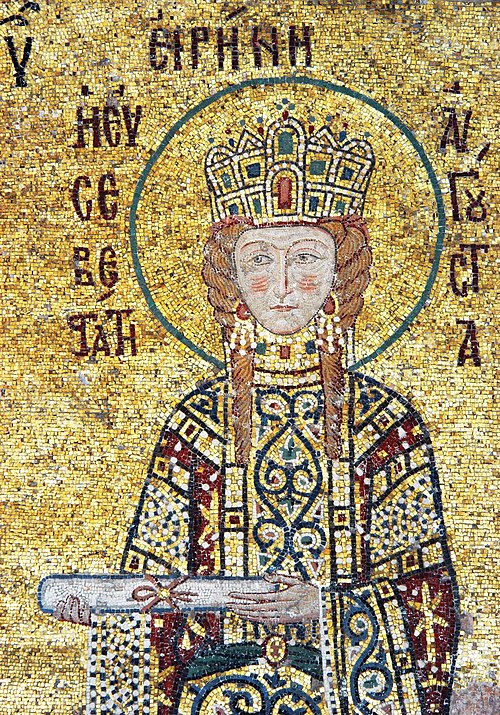
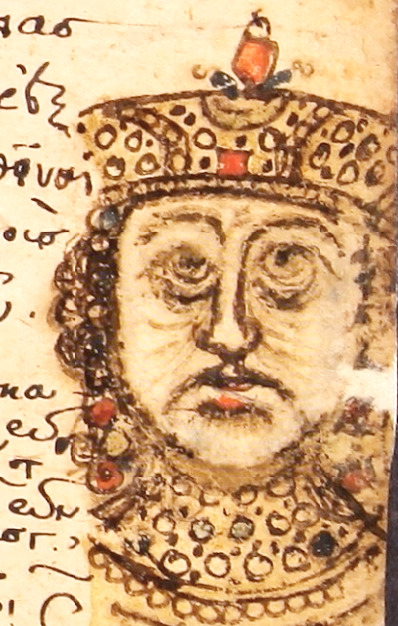
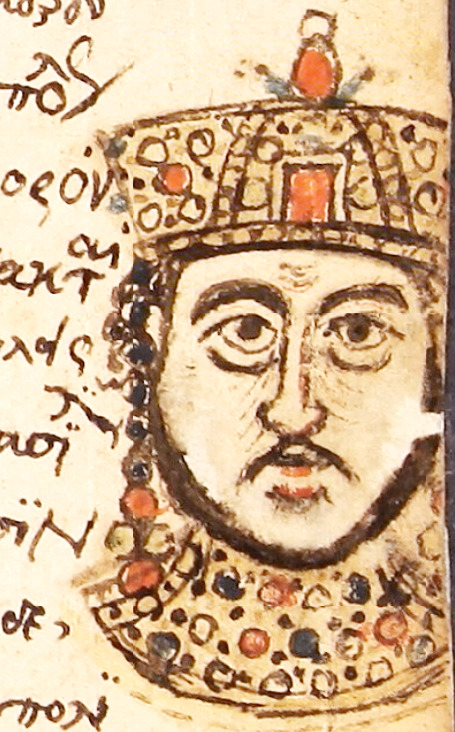
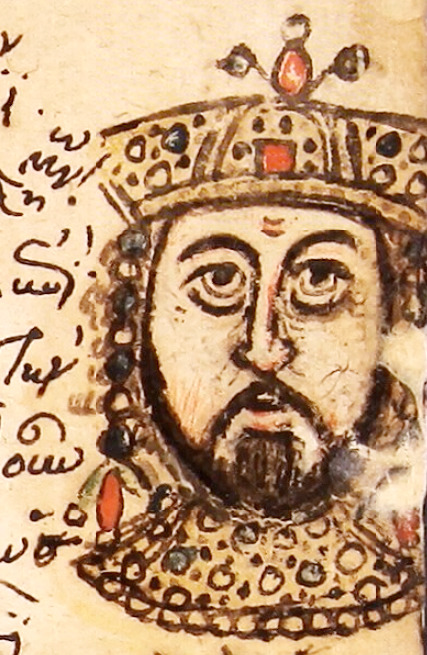
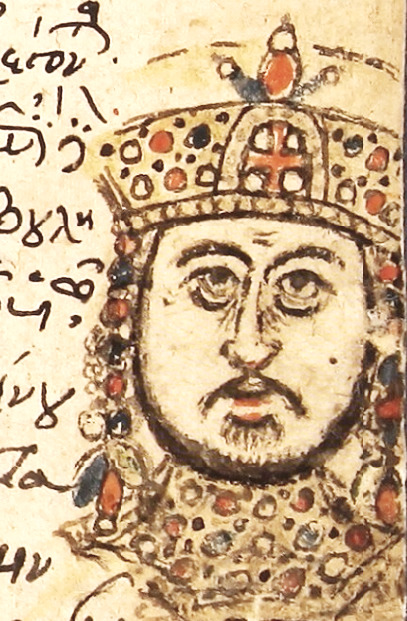
- Leo the Syrian (†6249 AM)
- Constantine Copronymus (†6284 AM)
- Artabasdus Iconophilus (†6252 AM)
- Leo the Chazar (†6289 AM)
- Constantine the Blinded (†6305 AM)
- Irene of Athens (†6312 AM)
Nicephorian
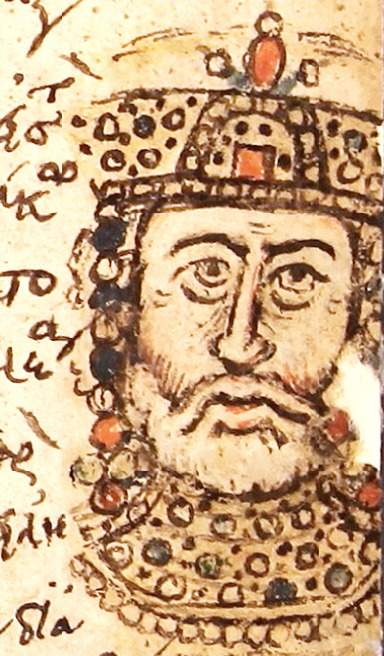
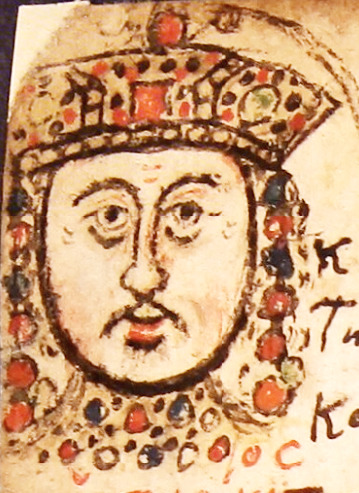
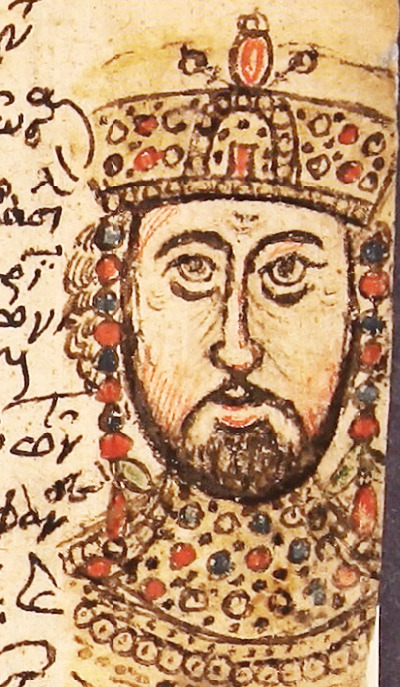
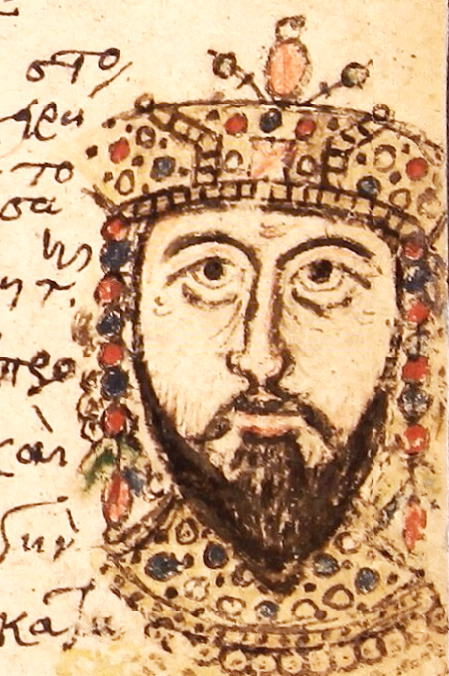
- Nicephorus the General (†6319 AM)
- Stavracius (†6320 AM)
- Michael Rangabe (†6321 AM)
Non-dynastic:
- Leo the Armenian (†6329 AM)
Phrygian
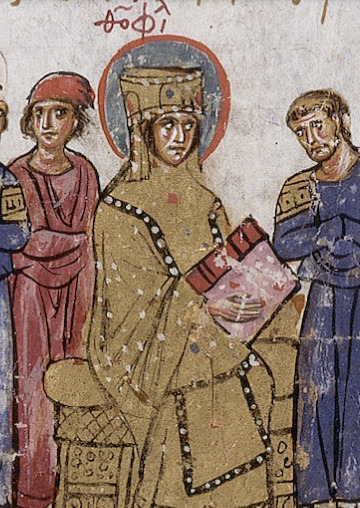
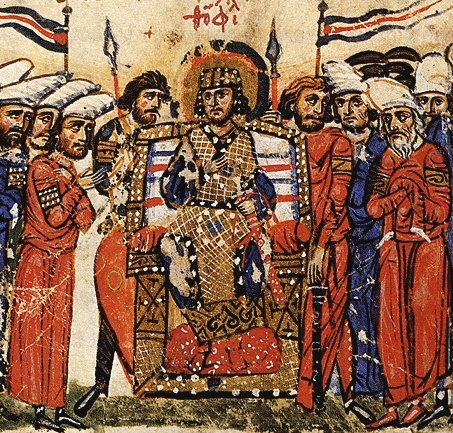
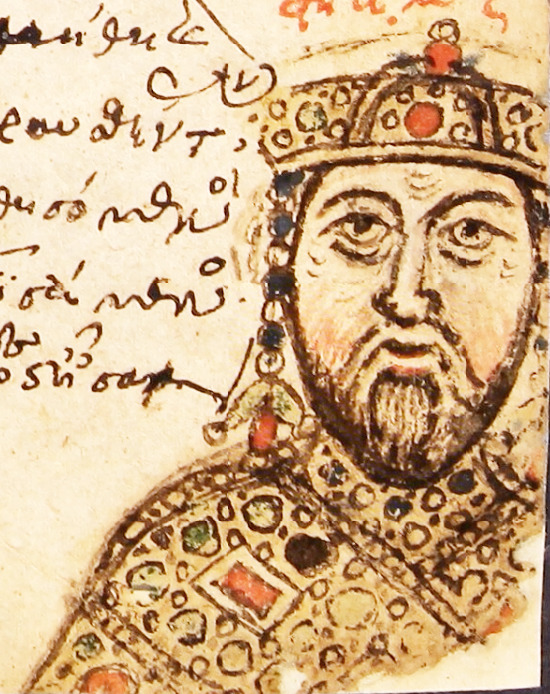
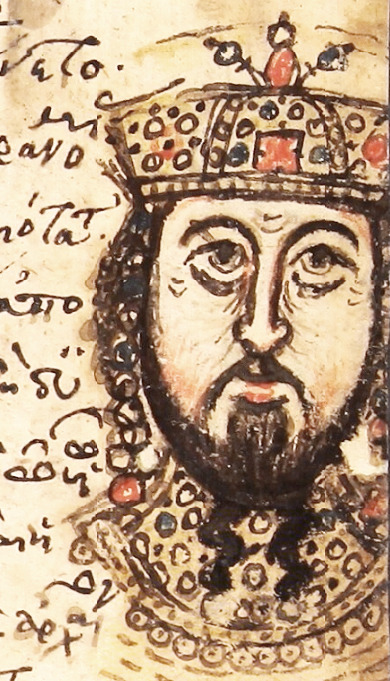
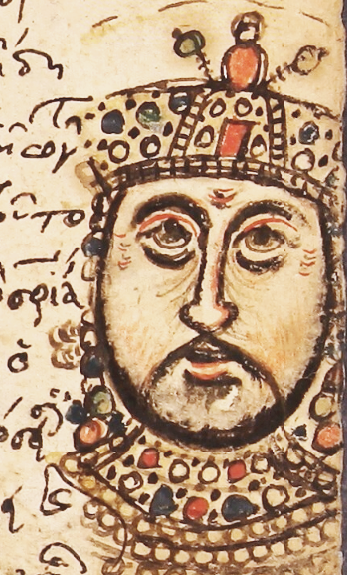
- Michael the Stammerer (†6337 AM)
- Theophilus (†6350 AM)
- St. Theodora the Restorer of Orthodoxy (†6364 AM)
- Michael the Drunkard (†6376 AM)
Macedonian
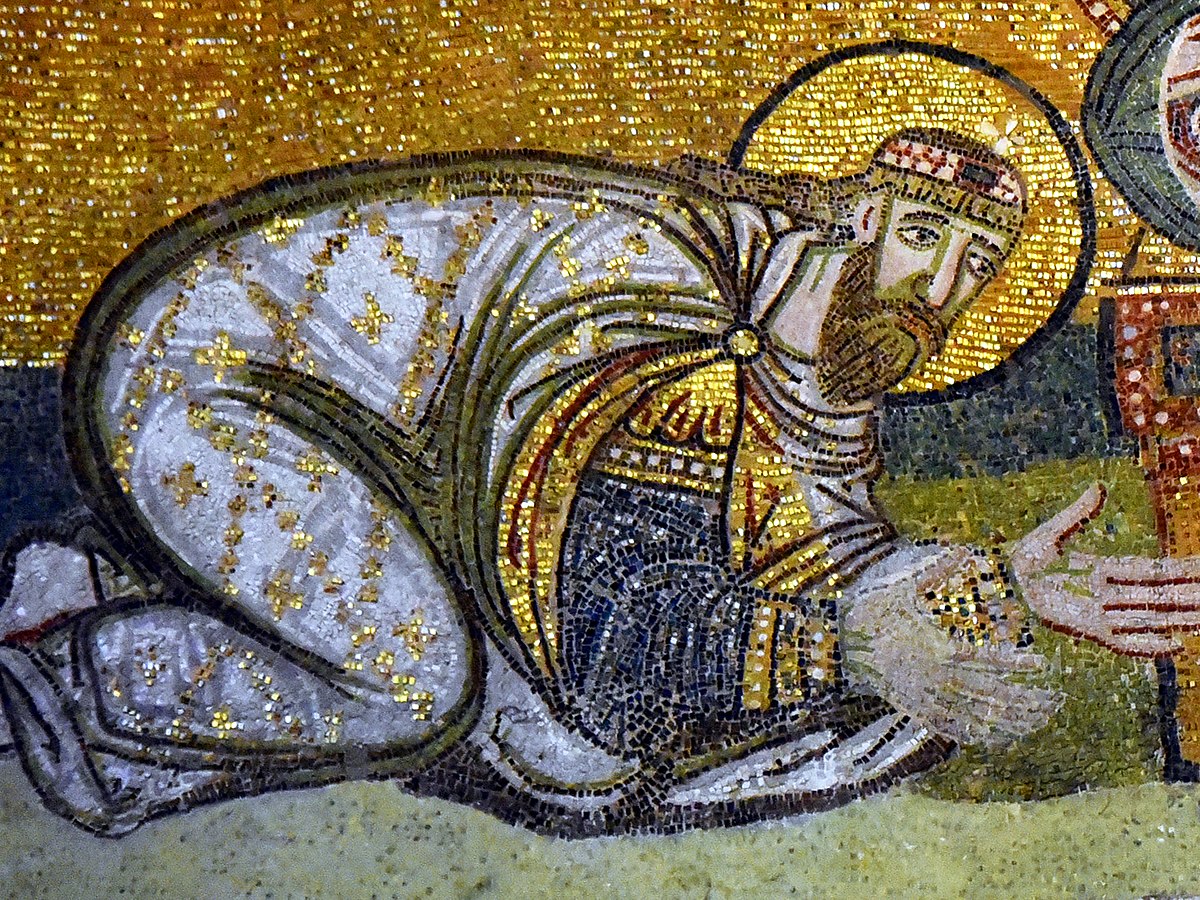
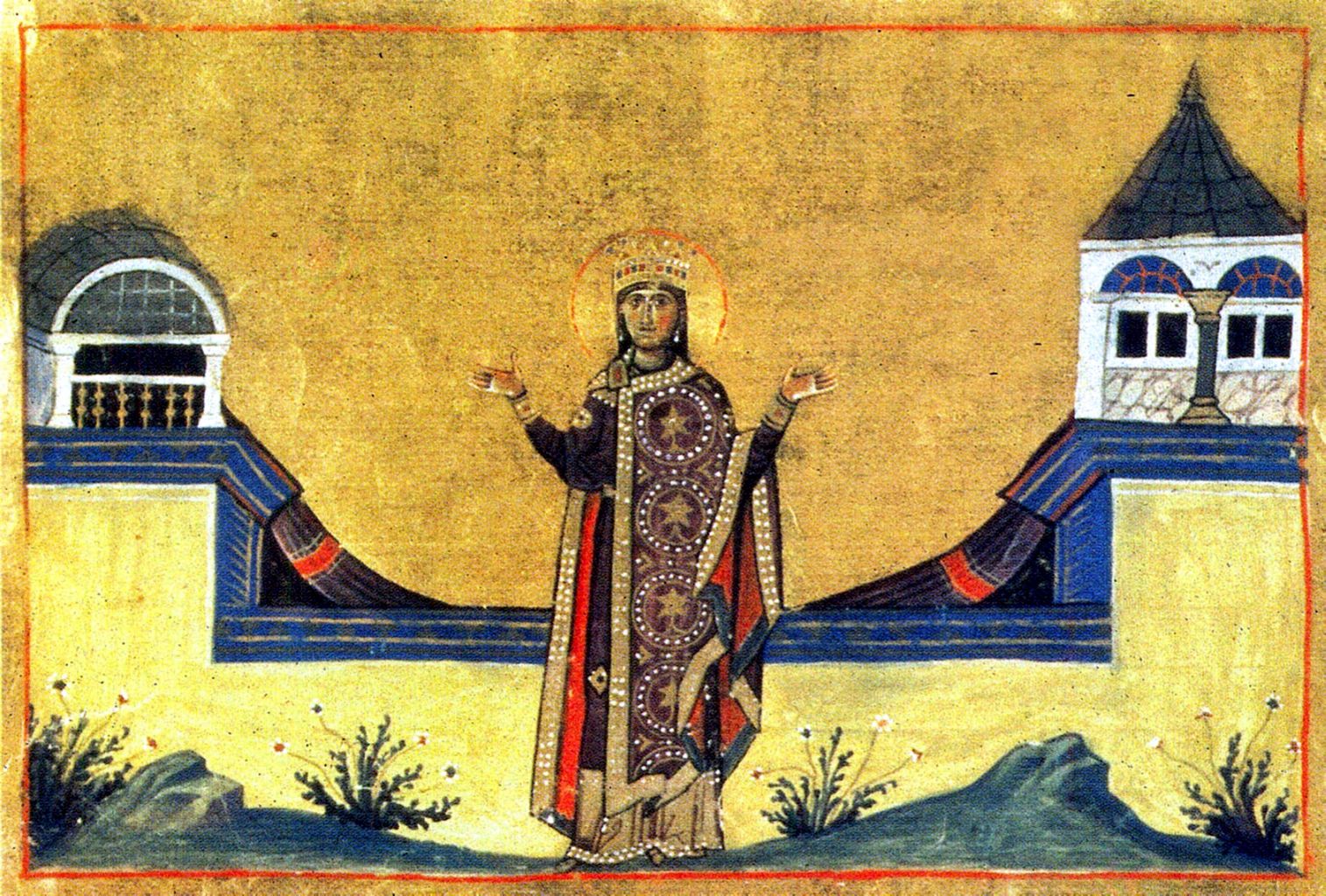
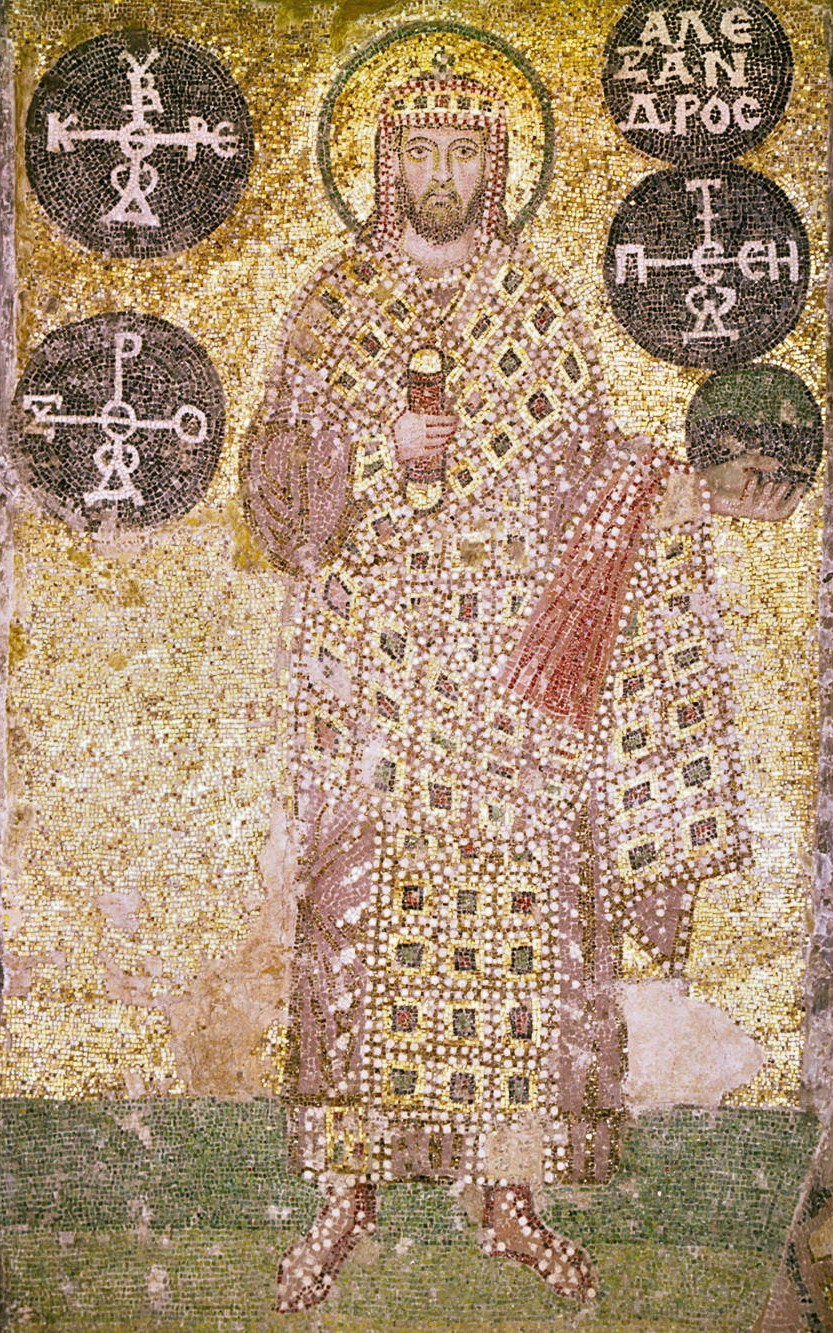
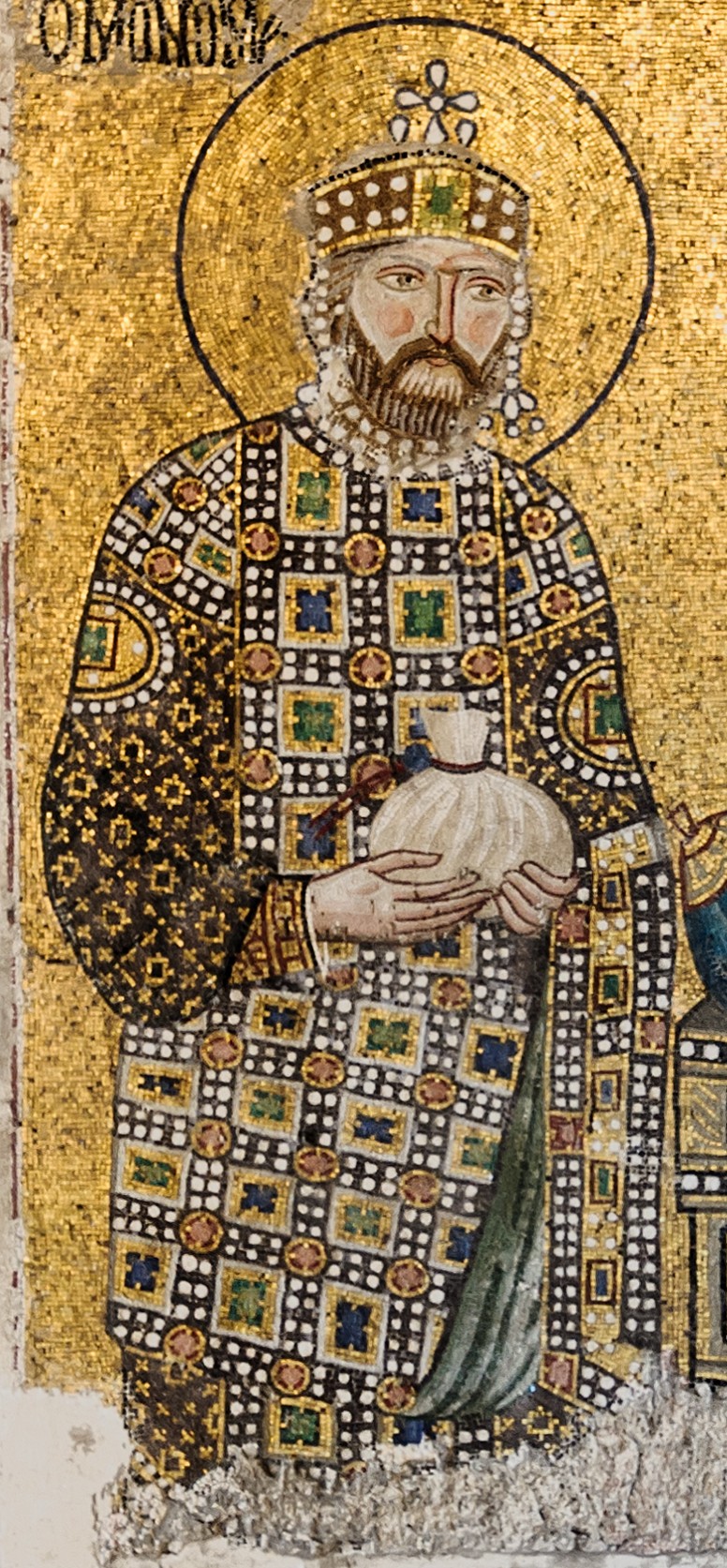
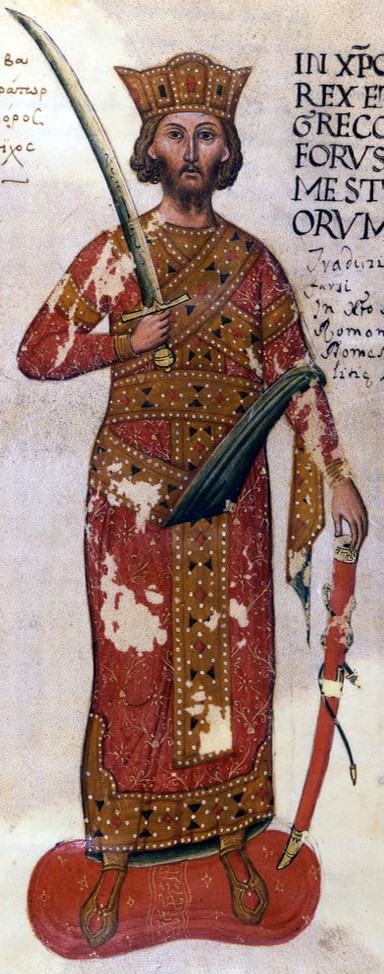
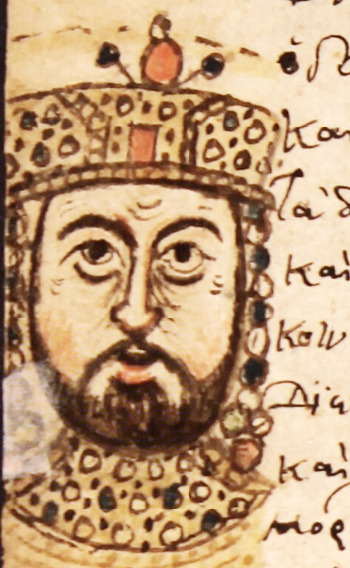
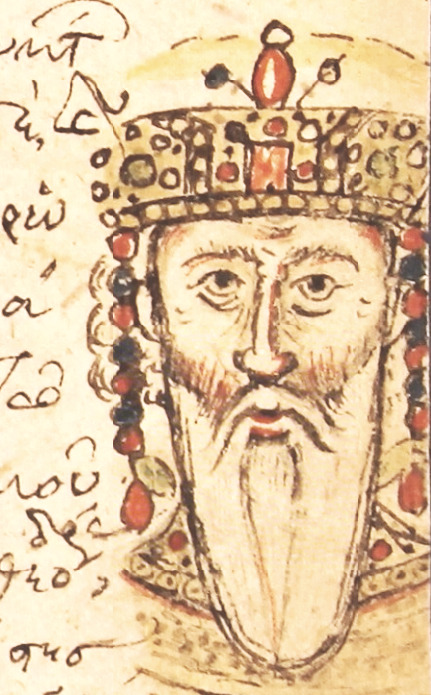
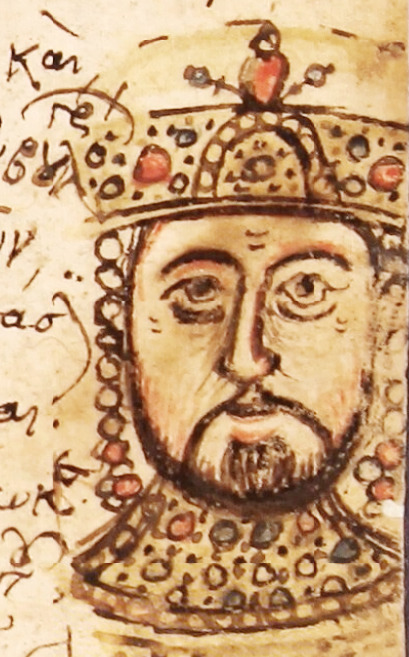
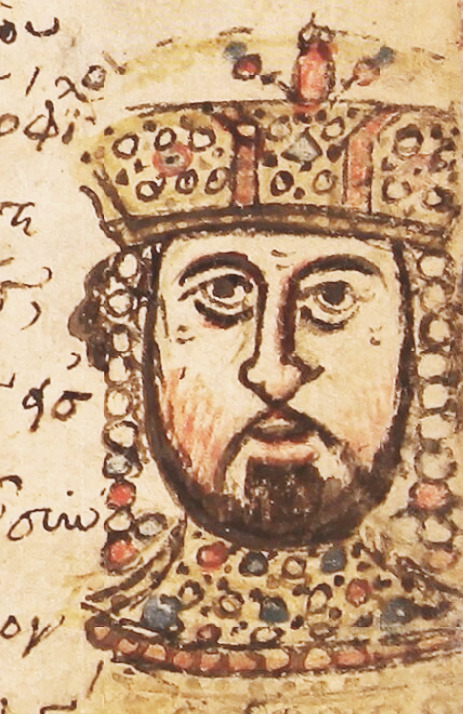
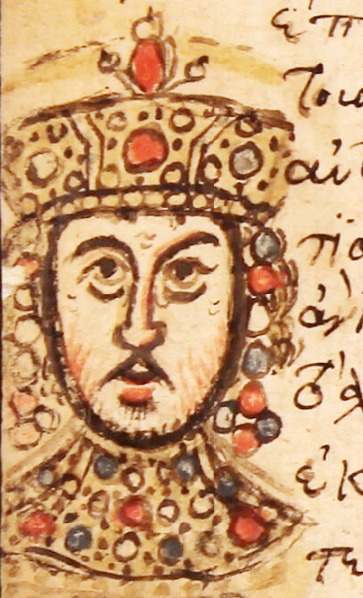

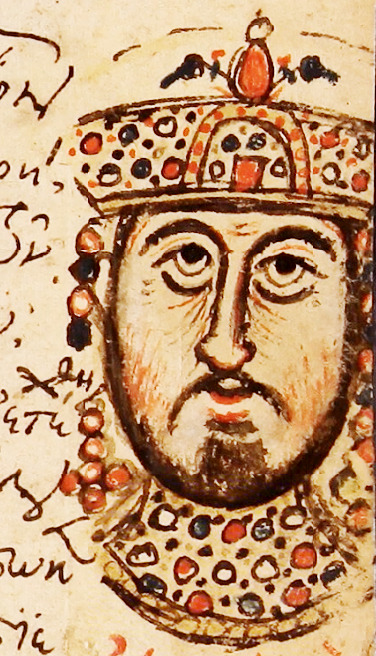
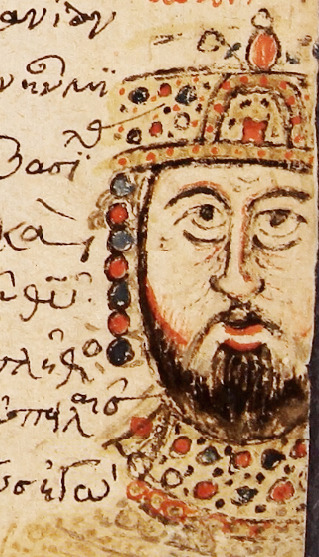
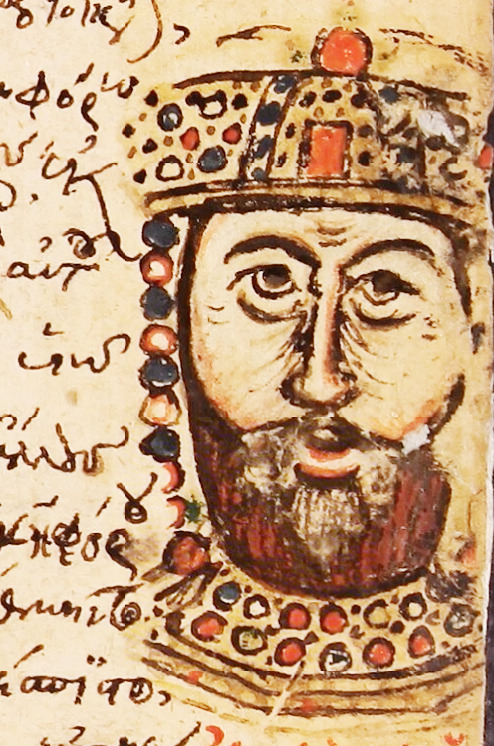
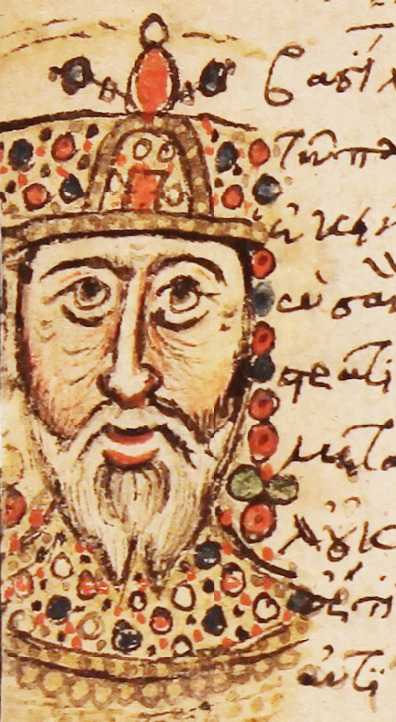
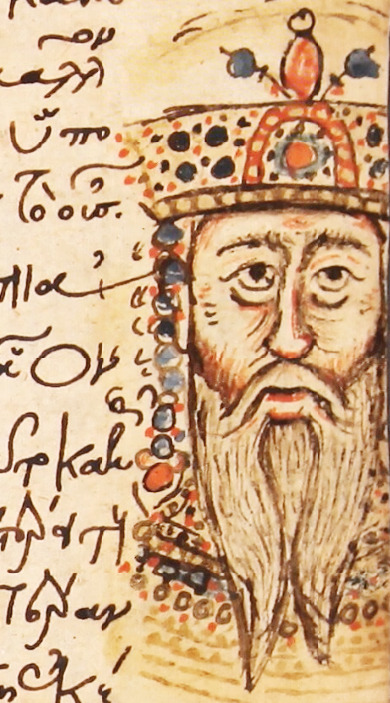
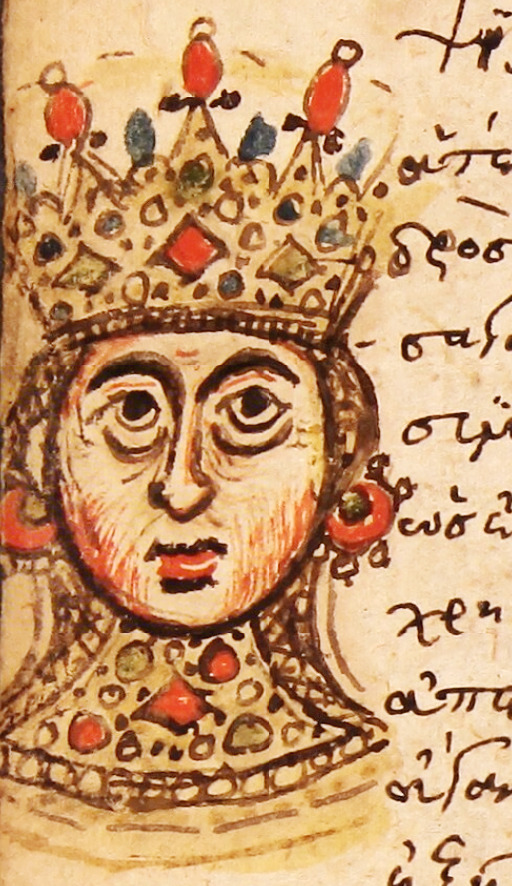
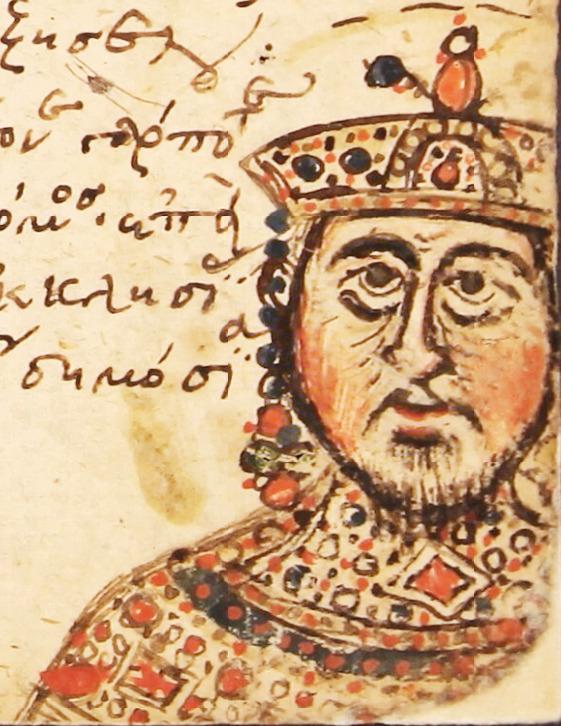
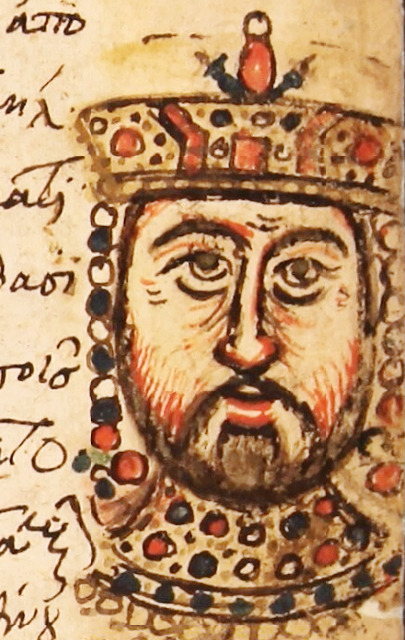
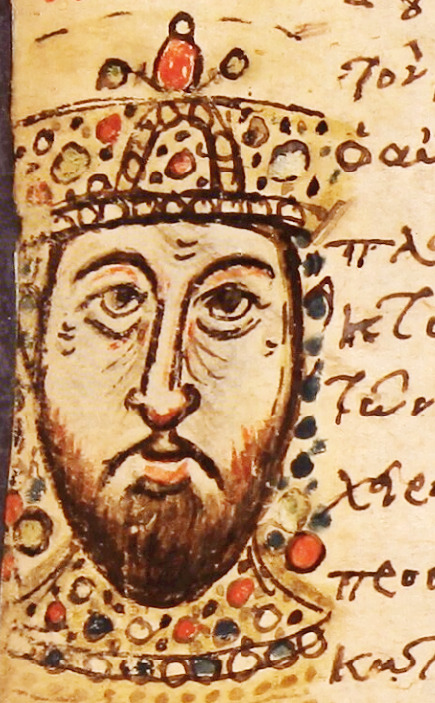
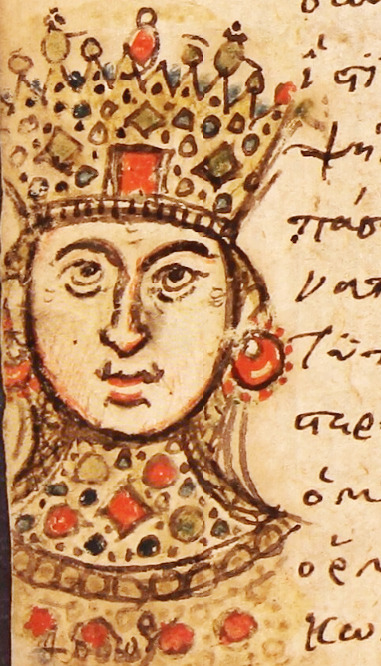
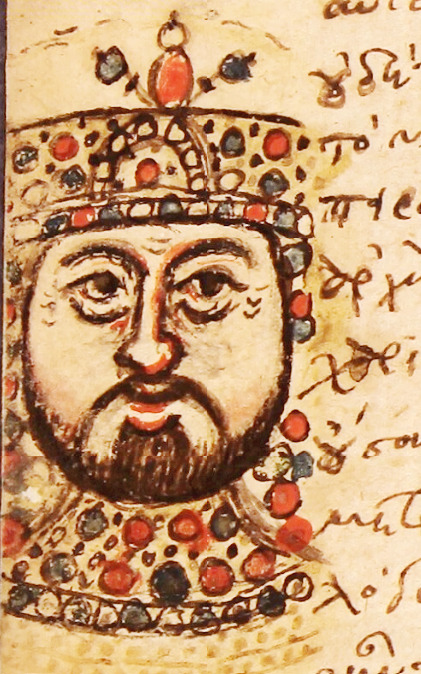
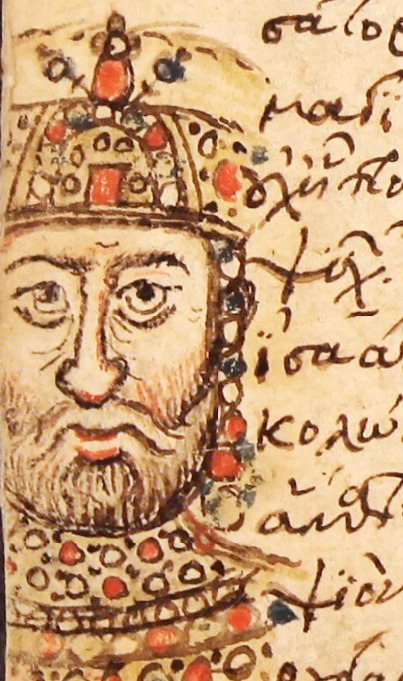
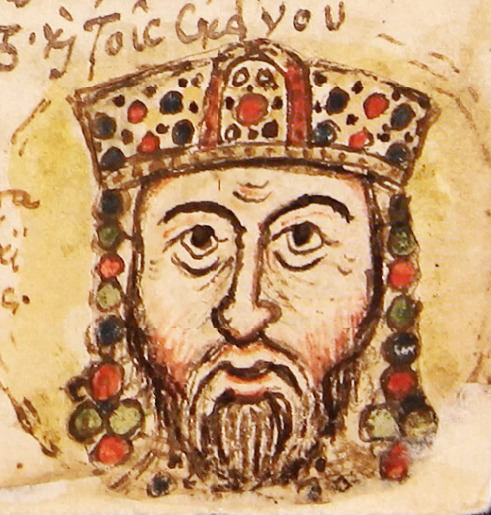
- Basil the Macedonian (†6394 AM)
- Leo the Wise (†6420 AM)
- Alexander (†6421 AM)
- Romanus Lecapenus (†6457 AM)
- Christopher Lecapenus (†6440 AM)
- Constantine Lecapenus (†6457 AM)
- Stephen Lecapenus (†6472 AM)
- Constantine Porphyrogenitus (†6468 AM)
- Romanus II (†6471 AM)
- St. Nicephorus Phocas (†6478 AM)
- John Tzimisces (†6484 AM)
- Basil the Bulgar-slayer (†6534 AM)
- Constantine VIII (†6537 AM)
- Zoë Porphyrogenita (†6559 AM)
- Romanus Argyrus (†6542 AM)
- Michael the Paphlagonian (†6550 AM)
- Michael the Caulker (†6550 AM)
- Theodora Porphyrogenita (†6564 AM)
- Constantine Monomachus (†6563 AM)
Non-dynastic:
- Michael Bringas the General (†6565 AM)
- Isaac Comnenus (†6569 AM)
Ducian
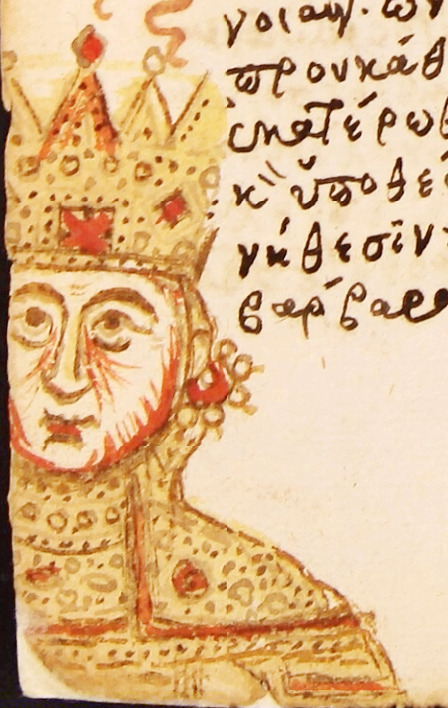
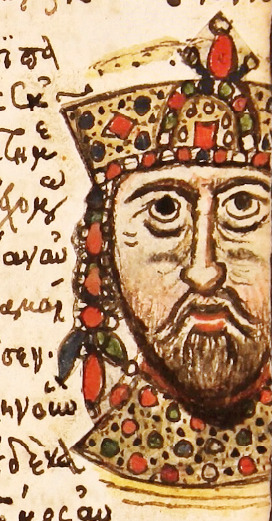
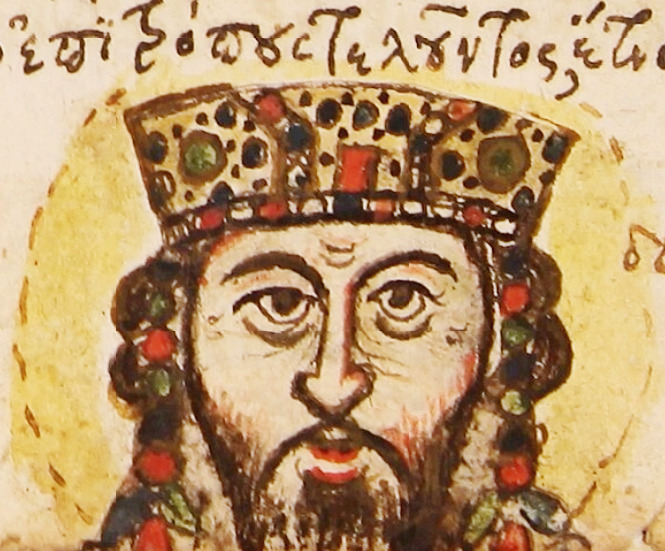
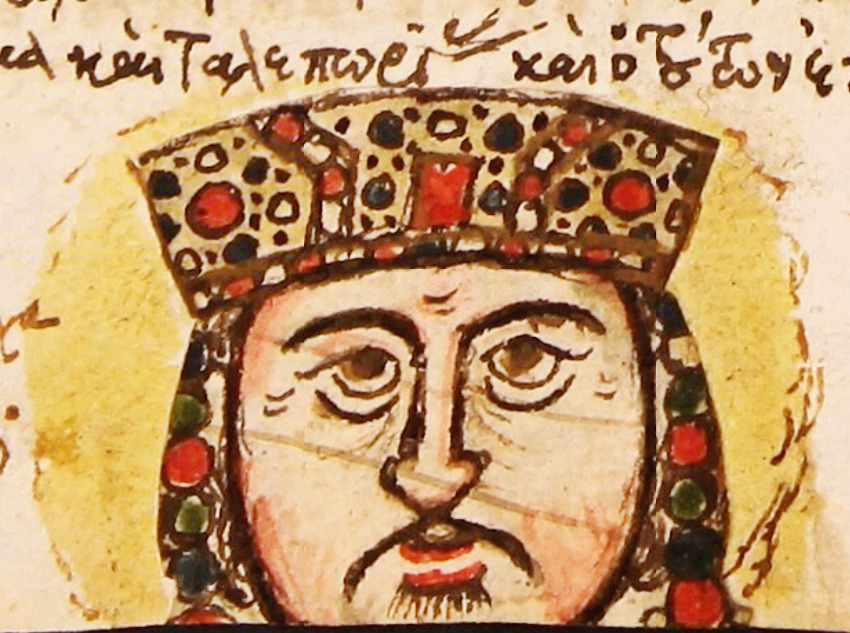
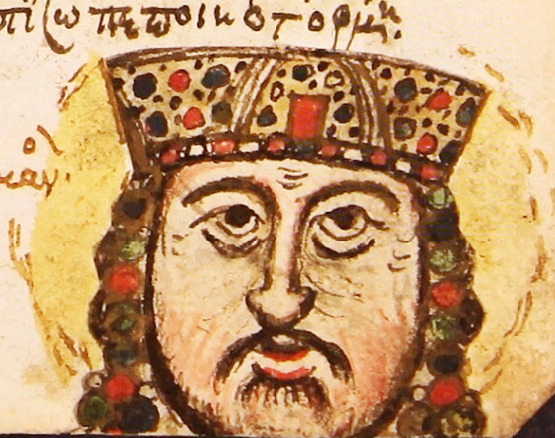
- Constantine Ducas (†6575 AM)
- Eudocia Macrembolitissa (†6576 AM)
- Michael Ducas (†6598 AM)
- Romanus Diogenes (†6580 AM)
- Nicephorus Botaniates (†6589 AM)
Comnenian
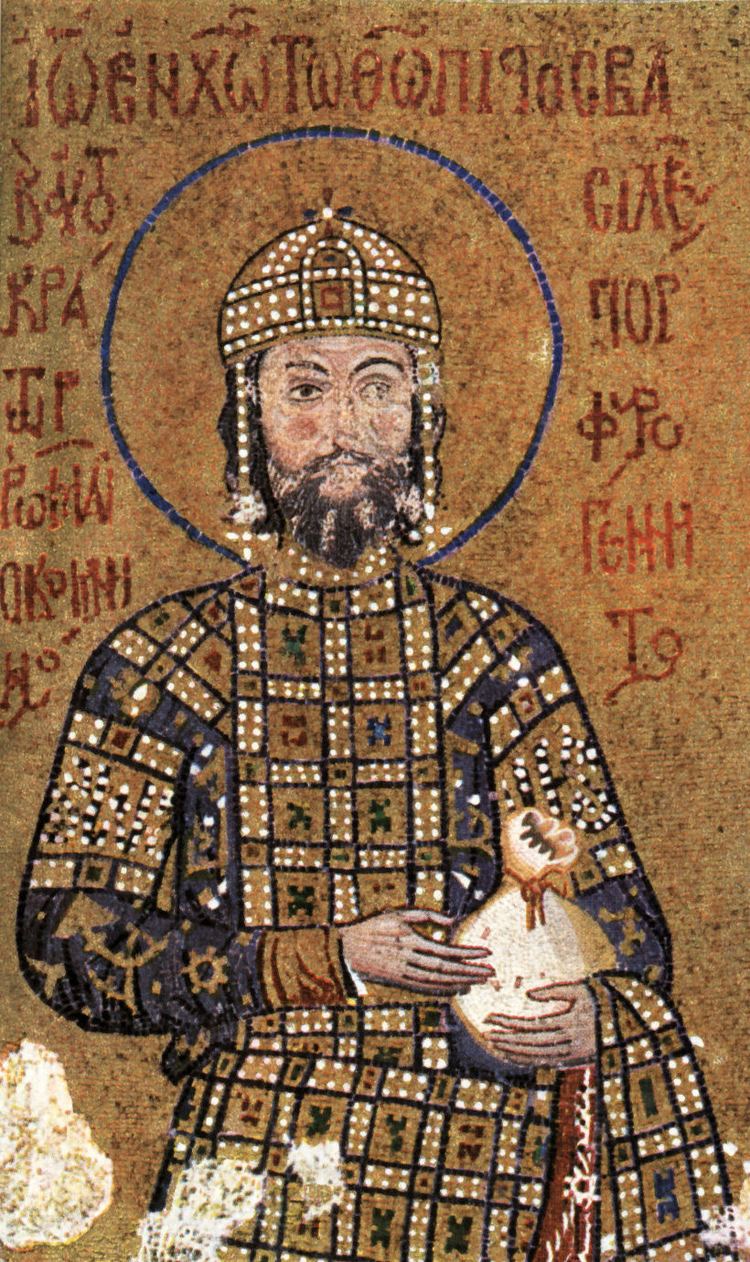
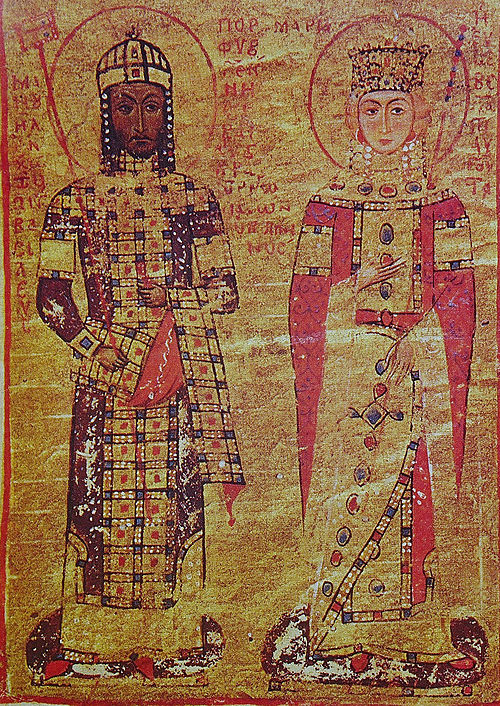
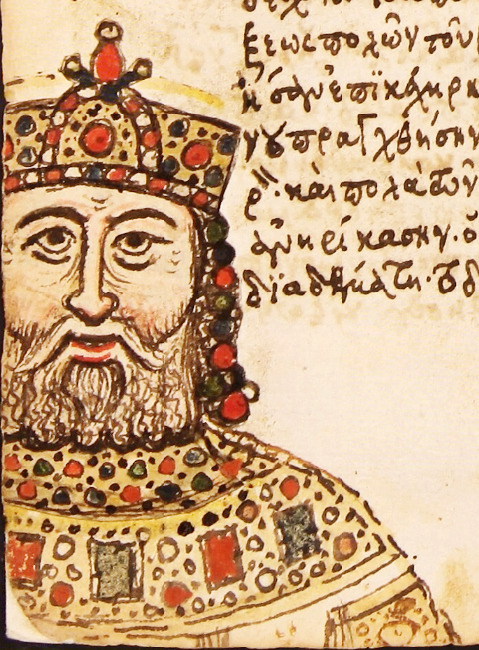
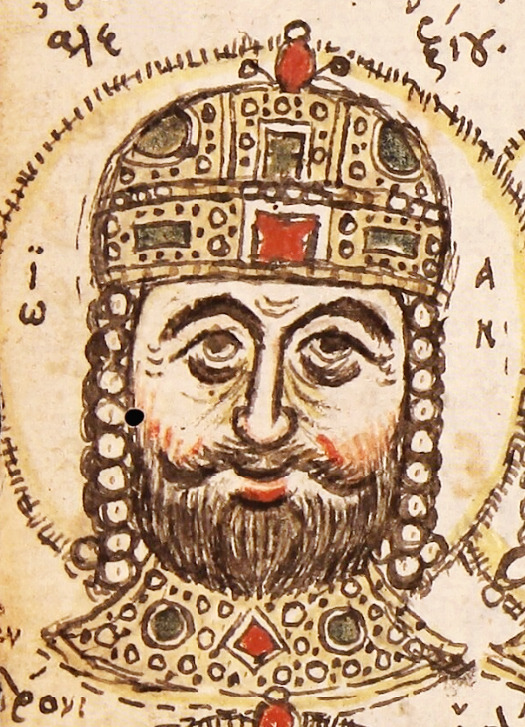
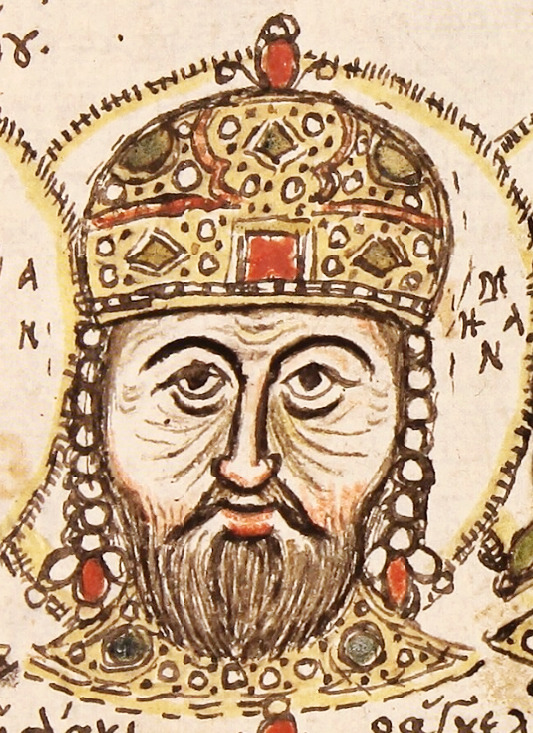
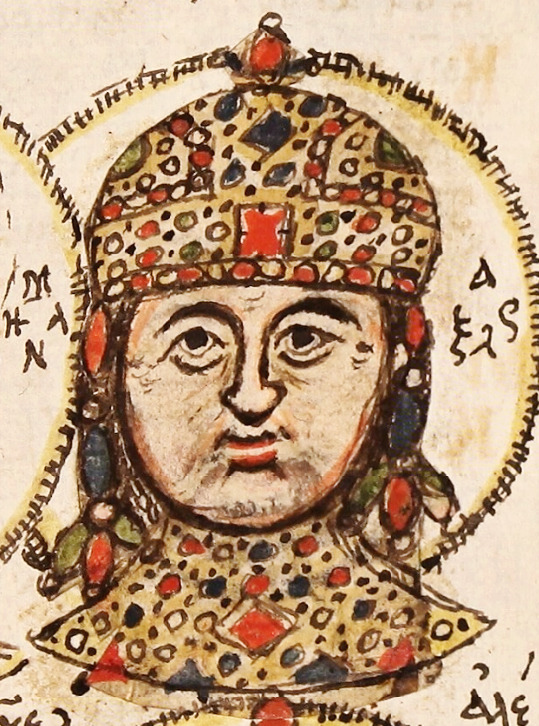
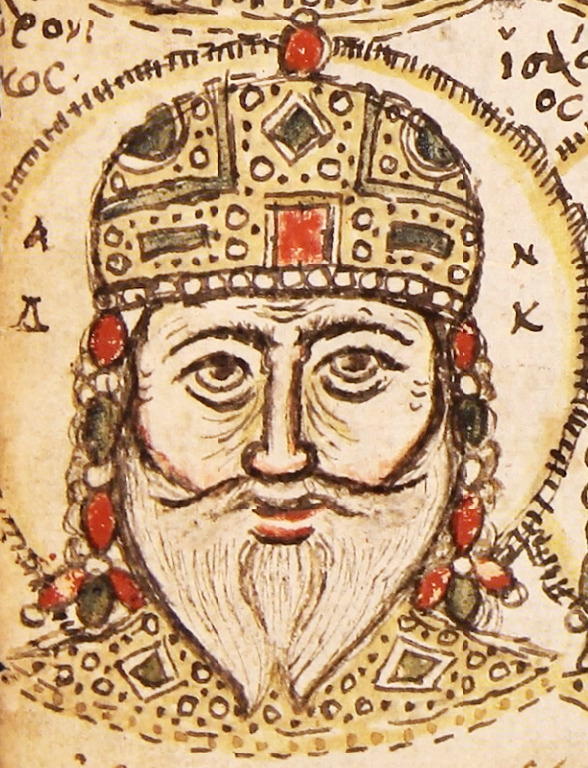
- Alexius I Comnenus (†6627 AM)
- John the Good (†6651 AM)
- Manuel the Great (†6689 AM)
- Alexius II Comnenus (†6692 AM)
- Andronicus Comnenus (†6694 AM)
Angelian
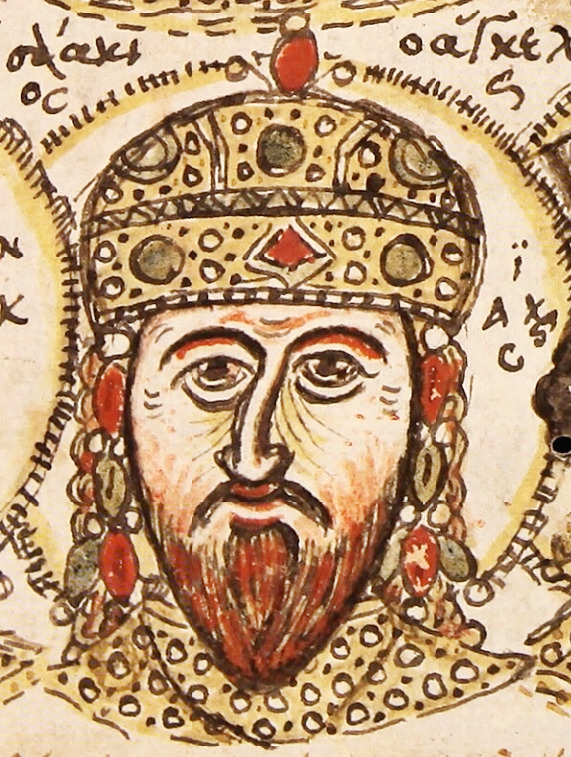
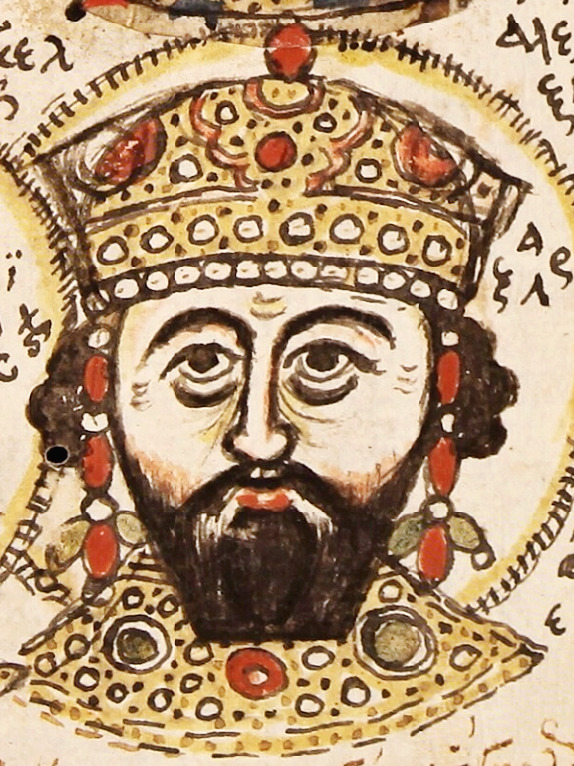
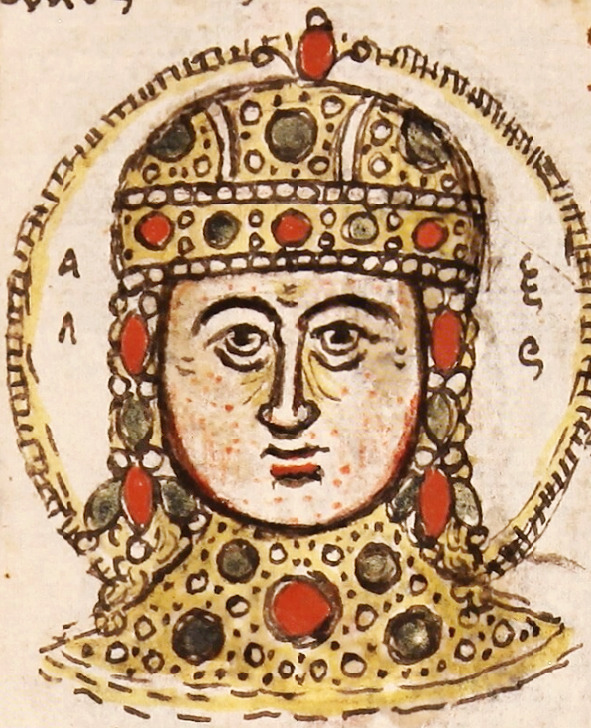
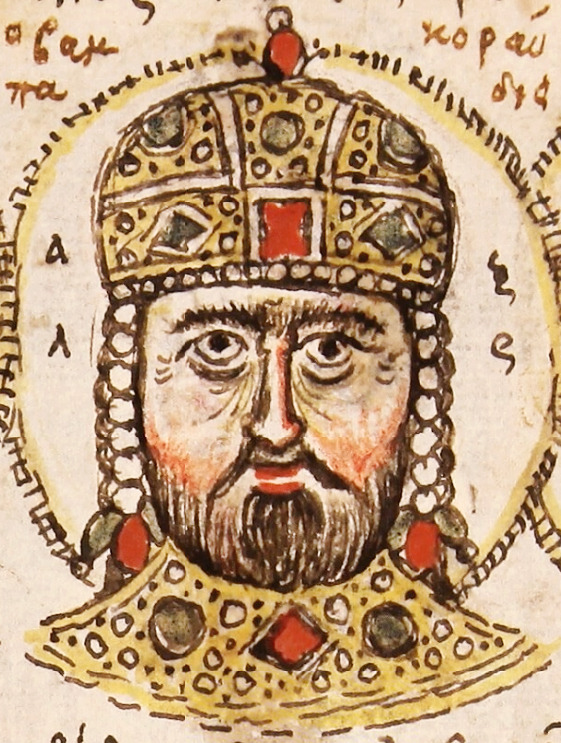
- Isaac Angelus (†6712 AM)
- Alexius III Angelus (†6719 AM)
- Alexius IV Angelus (†6712 AM)
- Alexius Angelus Murtzuphlus (†6712 AM)
Lascarian
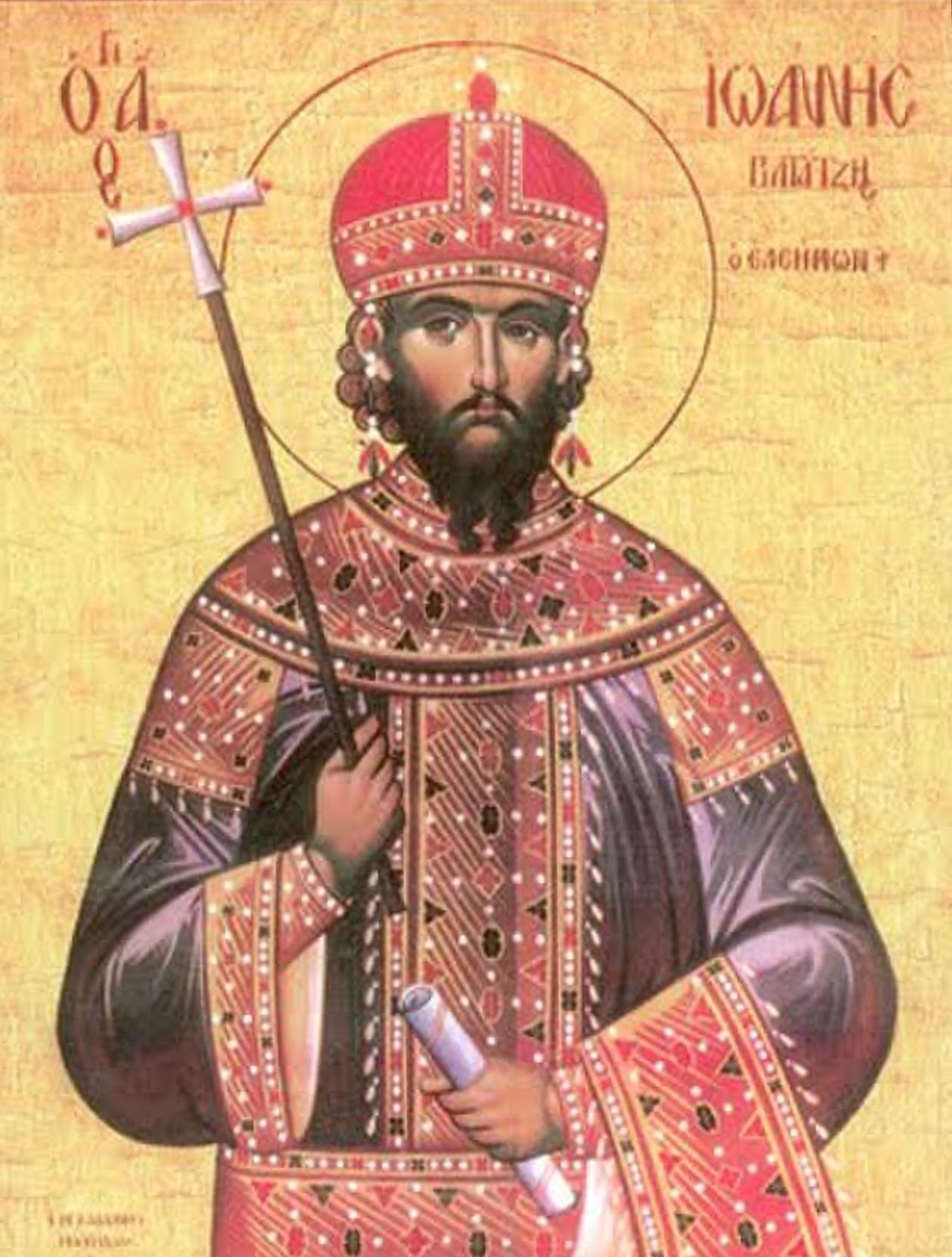
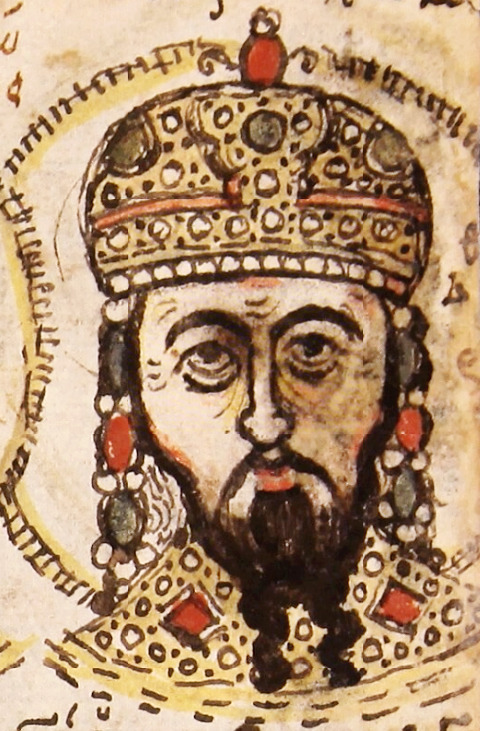
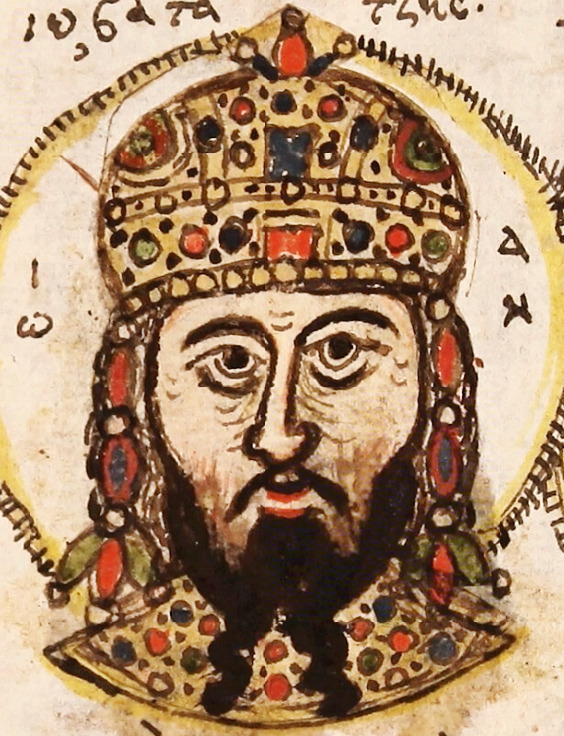
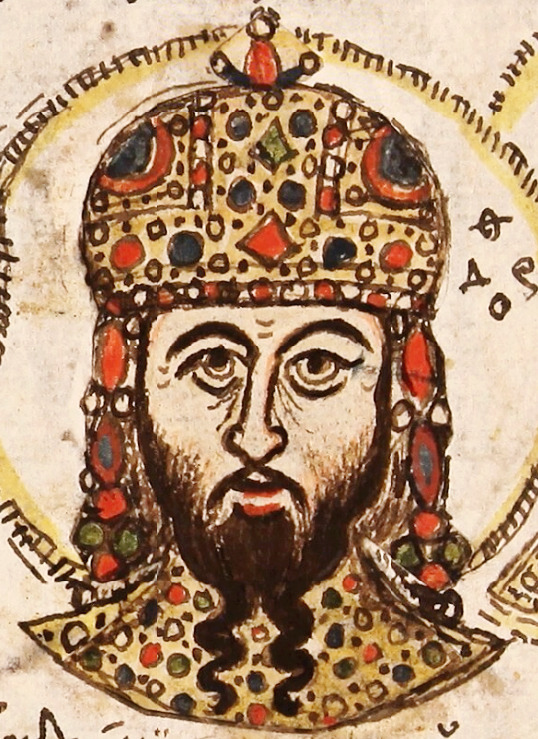
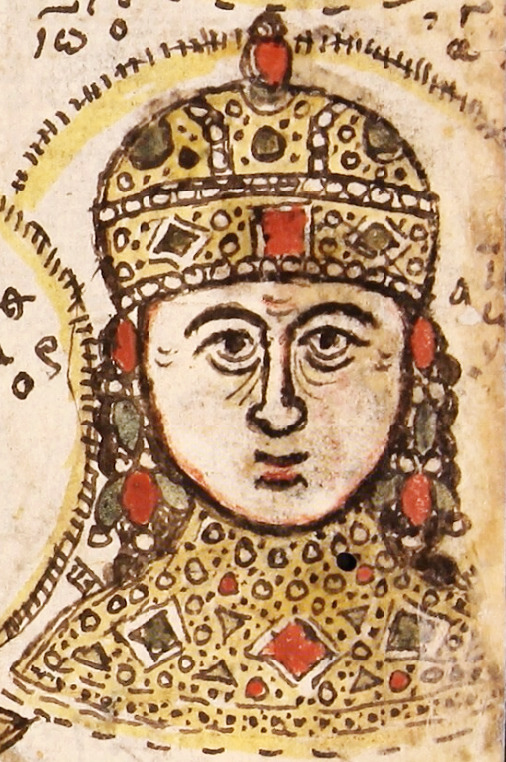
- Theodore I Lascaris (†6731 AM)
- St. John Ducas Batatzes (†6763 AM)
- Theodore II Lascaris (†6767 AM)
- John Lascaris (†6814 AM)
Palæologan
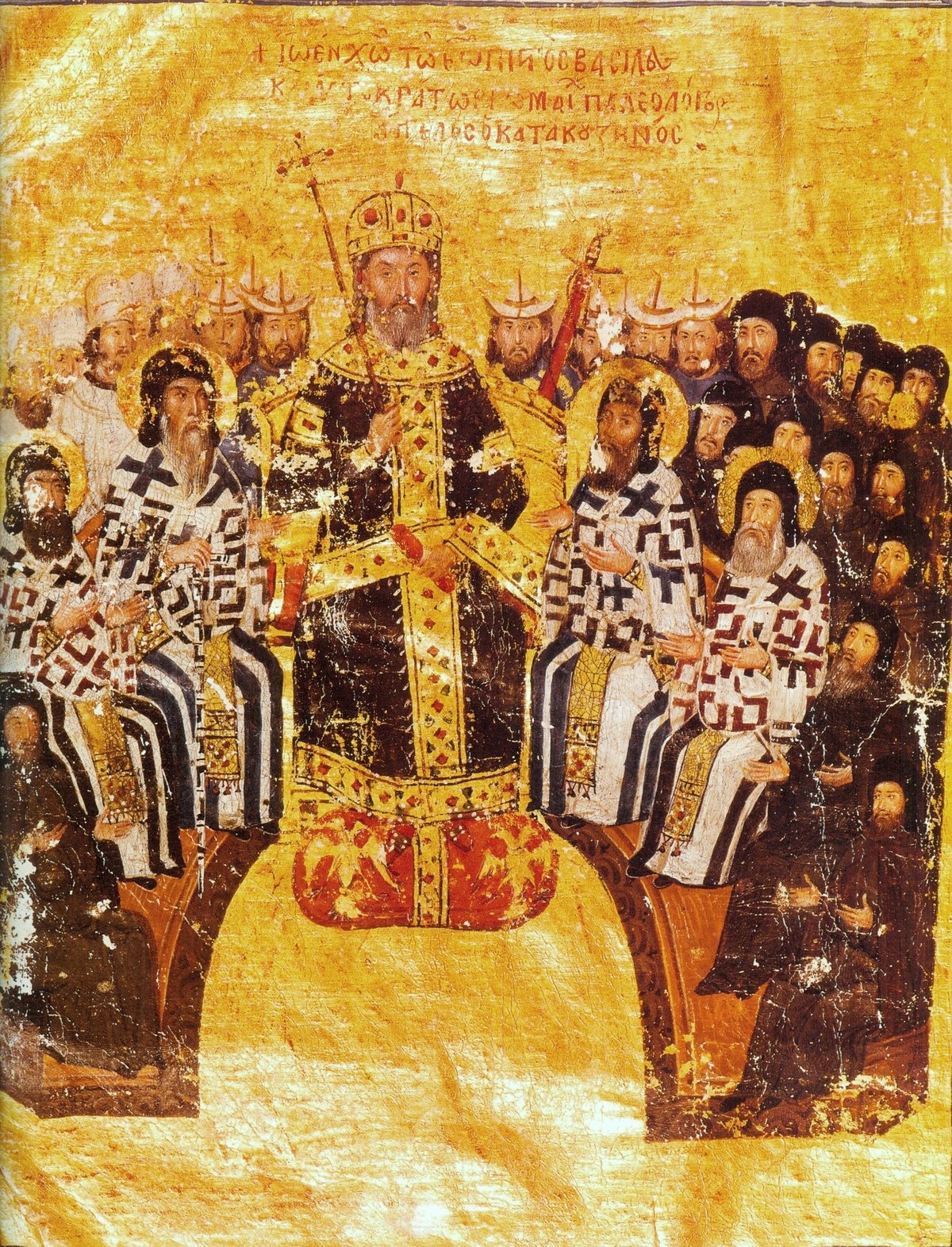
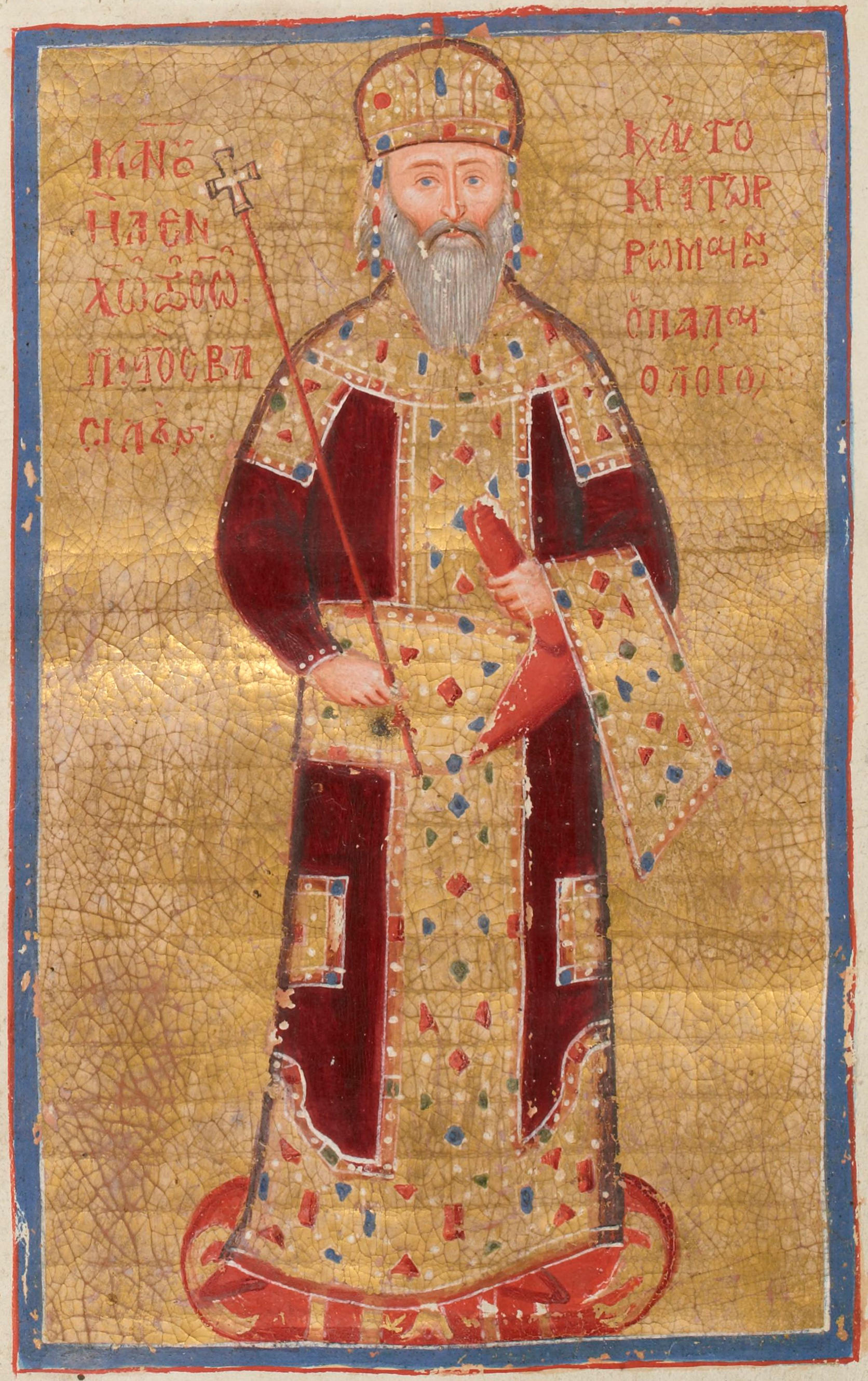
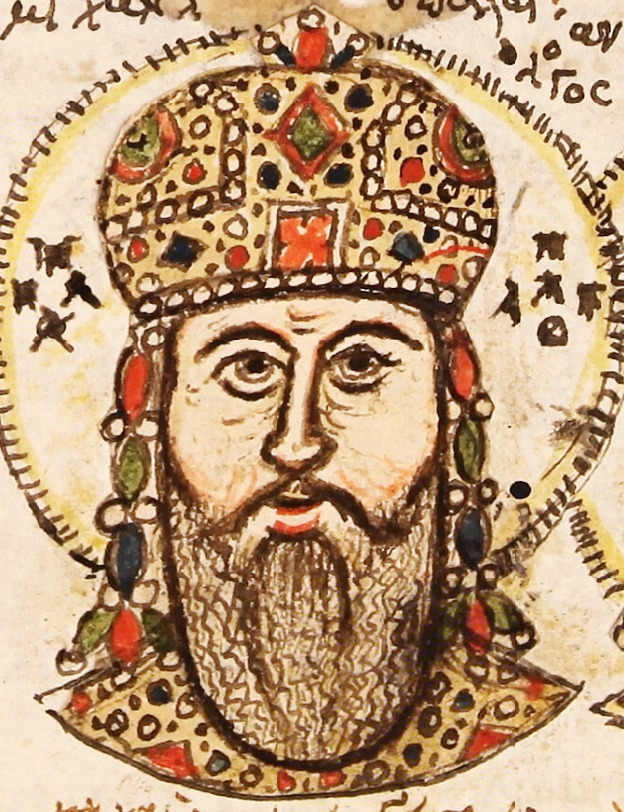
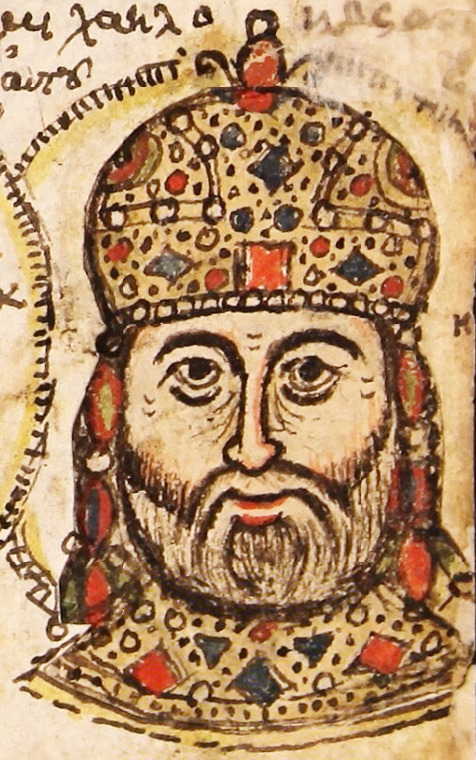
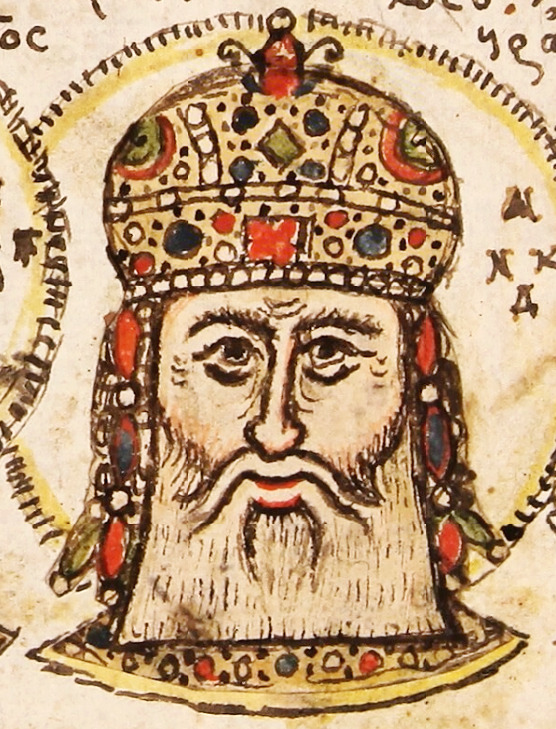
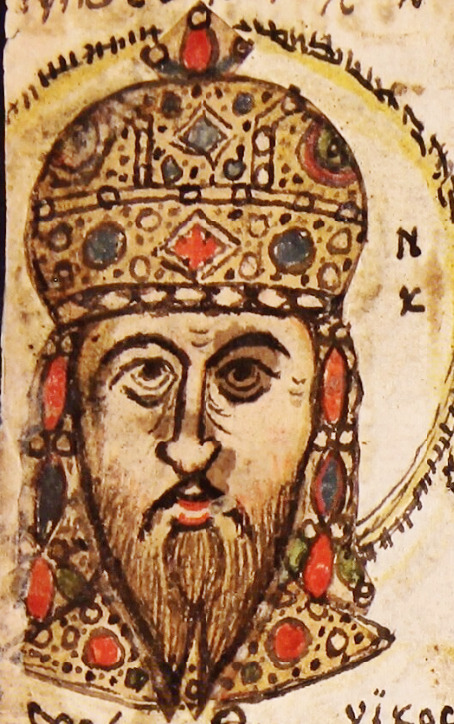

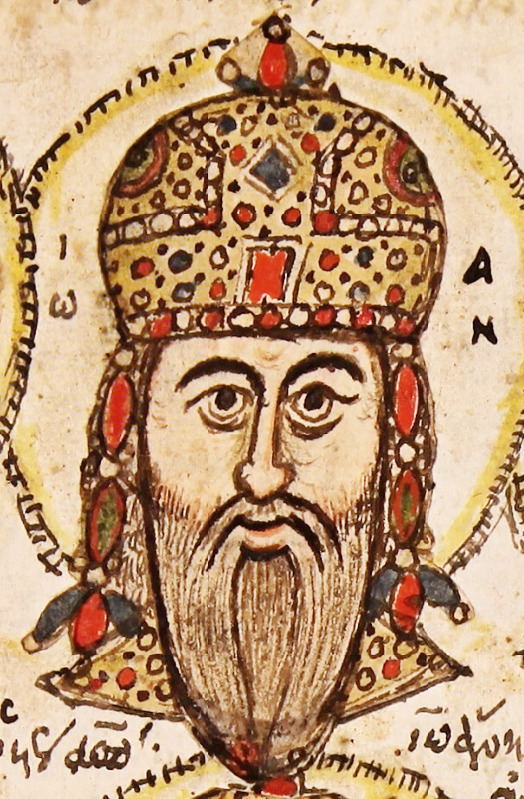
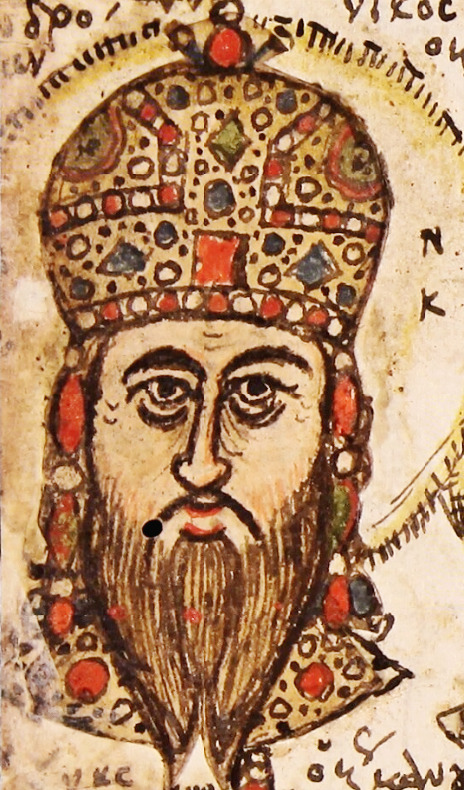
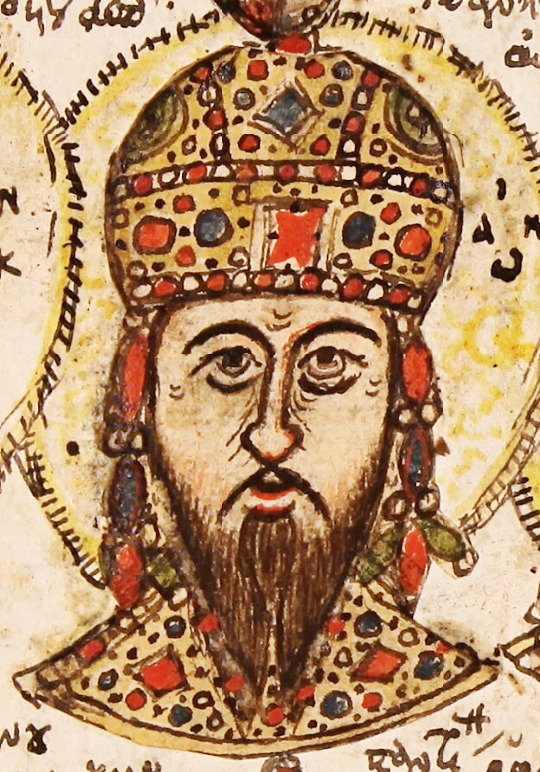
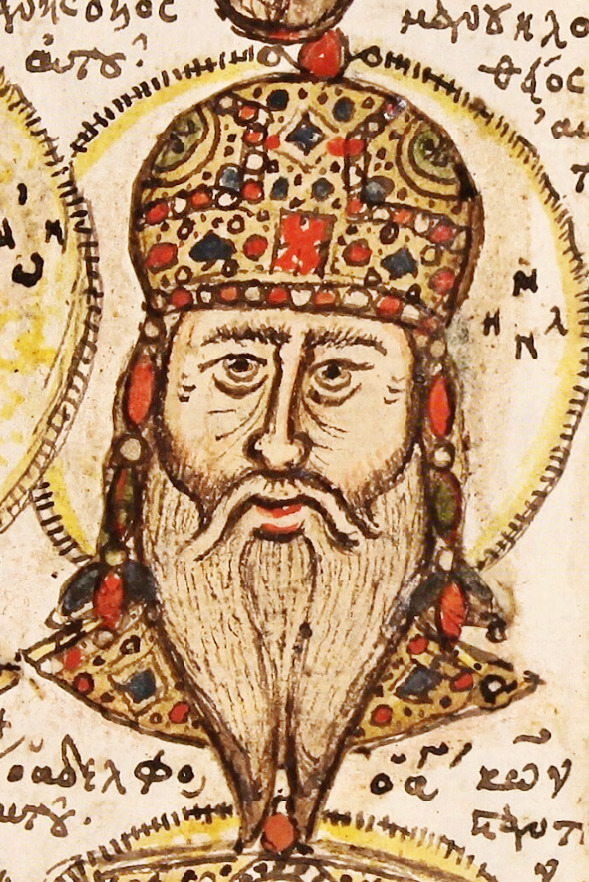
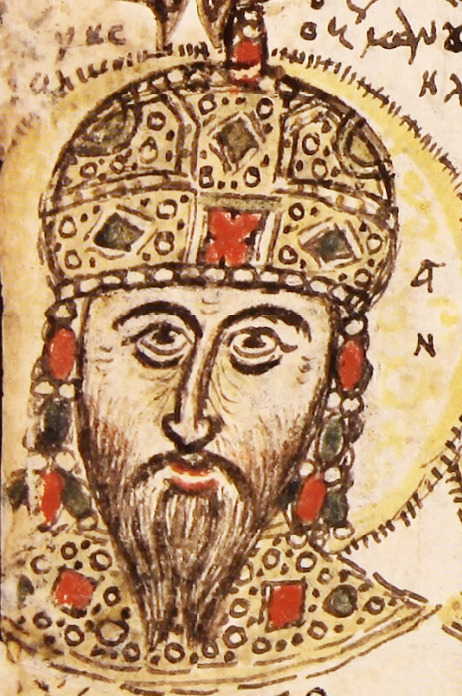
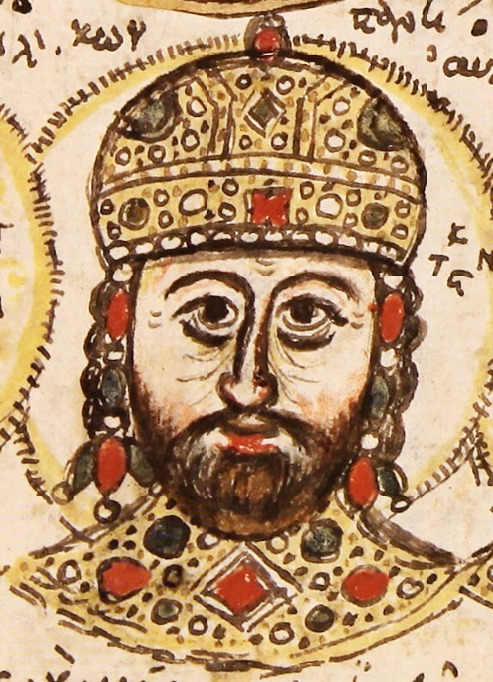
- Michael VIII Palæologus (†6791 AM)
- Michael IX Palæologus (†6829 AM)
- Andronicus Palæologus the Elder (†6840 AM)
- Andronicus Palæologus the Younger (†6899 AM)
- John V Palæologus (†6899 AM)
- John Cantacuzenus (Josaphat) (†6892 AM)
- Andronicus IV Palæologus (†6893 AM)
- John VII Palæologus (†6917 AM)
- Manuel Palæologus (Matthew) (†6933 AM)
- John VIII Palæologus (†6957 AM)
- Constantine Dragases Palæologus (†6961 AM)
The Turkish ruler Mohamet II overthrew Constantine Dragases Palæologus & took Constantinople, but the senate fled to the Russian prince John the Great.
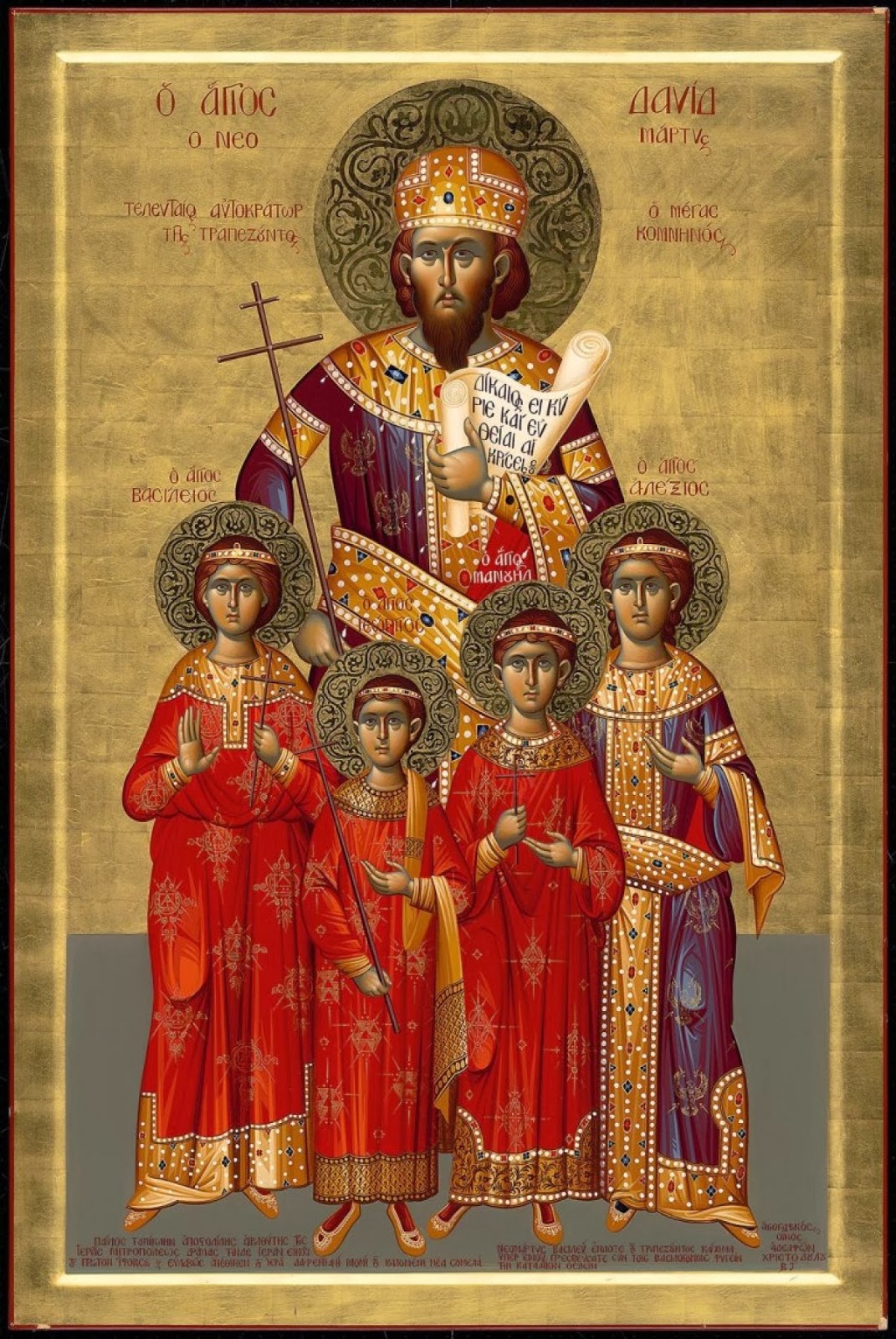
The last place the Palæologan state ruled after the fall of Constantinople was a principality in Mangup, Crimea. It was a remnant of the despotat of Trapezunt, which in turn was under a branch of the Comnenian dynasty. The last ruler of Trapezunt was St. David Comnenus (†6972 AM). The last ruler of Theodoro was an Alexander Palæologus, son of an Isaac Palæologus (†6984 AM).
Russians
Princes
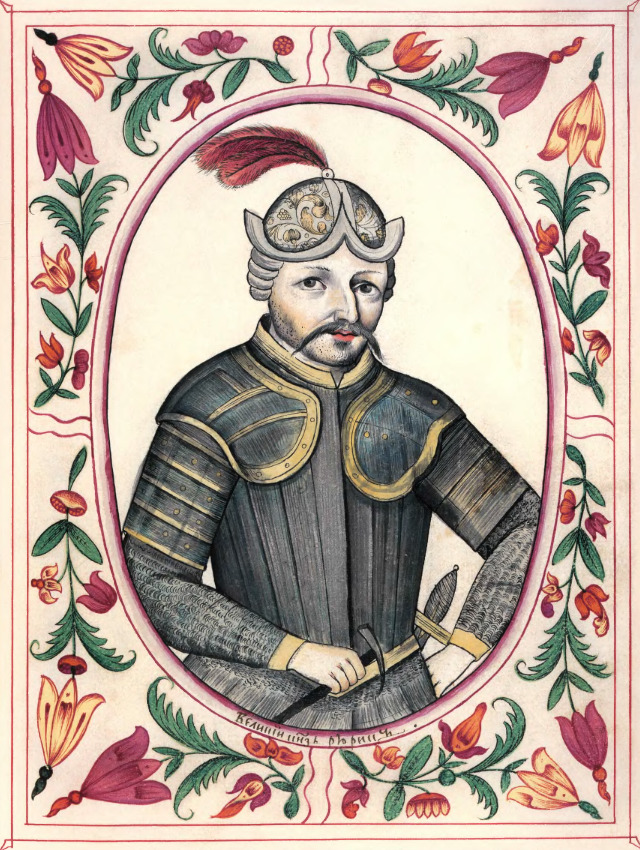
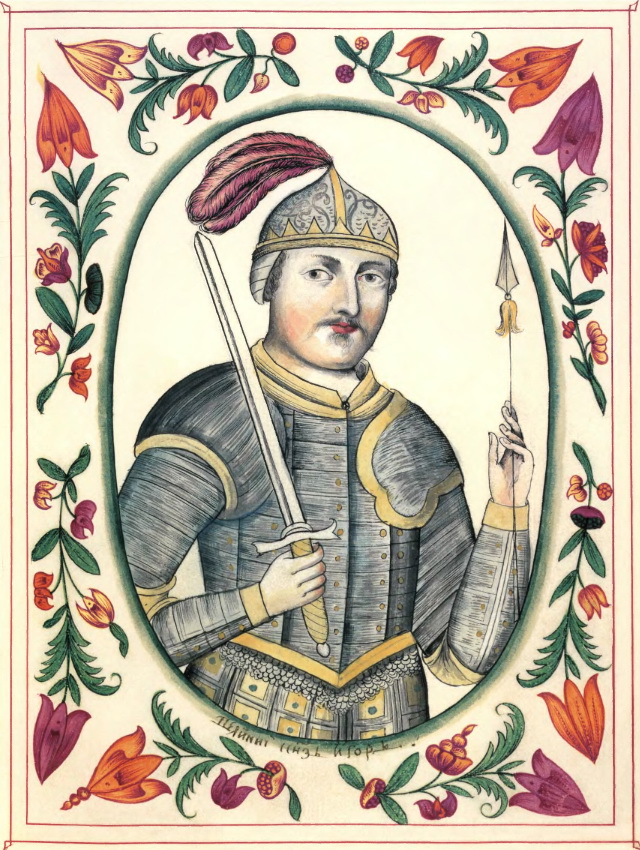
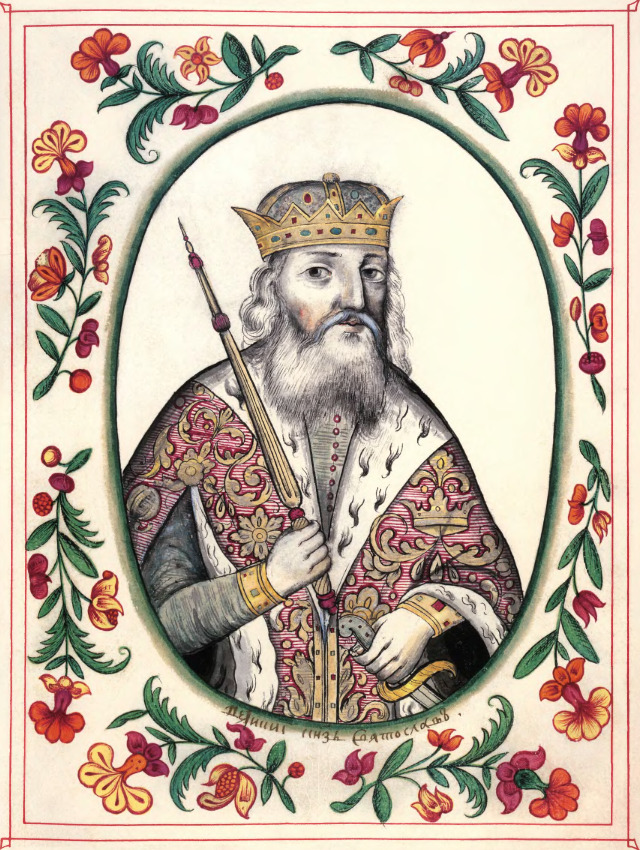
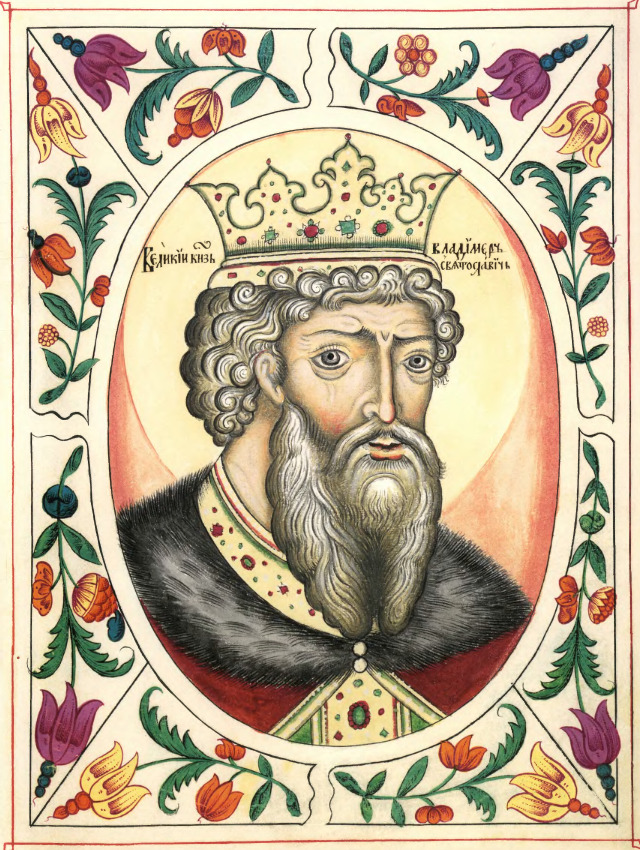
Beginning from Emperor Michael the Drunkard’s fourth year:
- Ryurik (6378 AM)
- Oleg the Seer (6421 AM)
- Igor (6453 AM)
- Svyatoslav (6480 AM)
- Yaropolk (6486 AM)
- St. Vladimir the Great (Basil) (†6523 AM)
- Svyatopolk the Accursed (†6547 AM)
Ryurik was invited to rule the Slavs at Novgorod. Oleg the Seer was the first to rule from Kiev.
Grand Princes


- Yaroslav the Wise (†6562 AM)
- Izyaslav (†6586 AM)
- Vsevolod (†6601 AM)
| … |
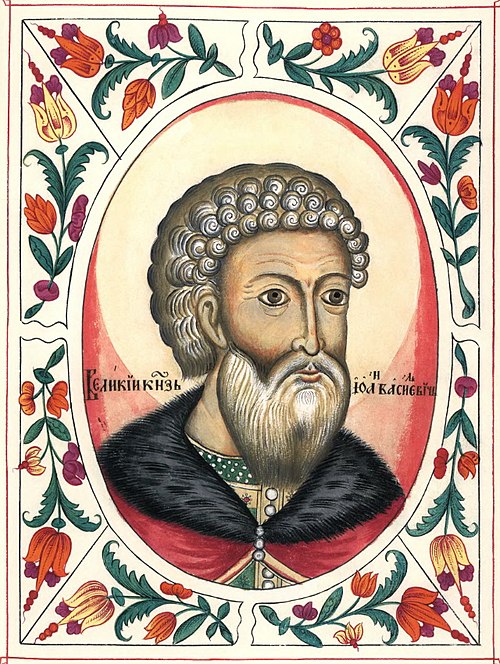
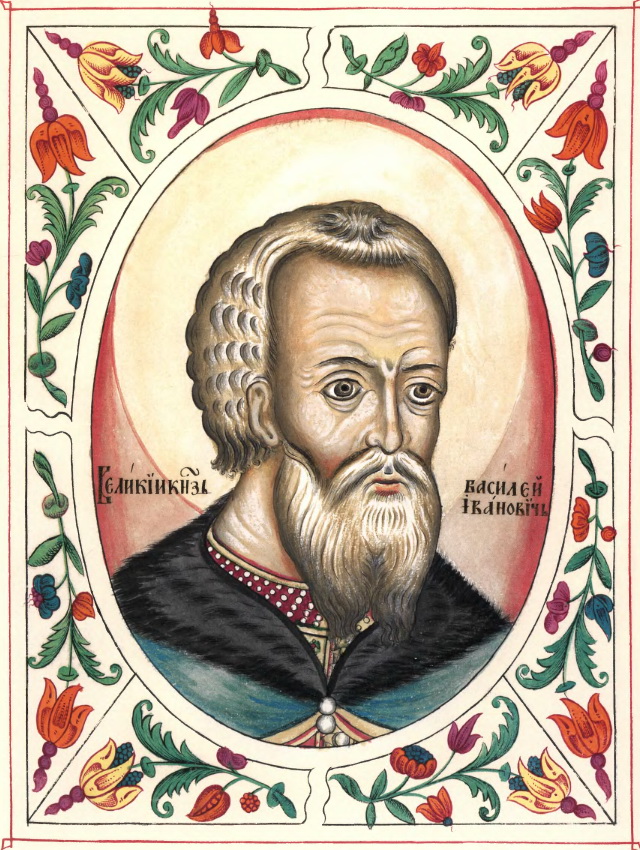
- John the Great (†7014 AM)
- Basil (Barlaam) (†7042 AM)
Emperors
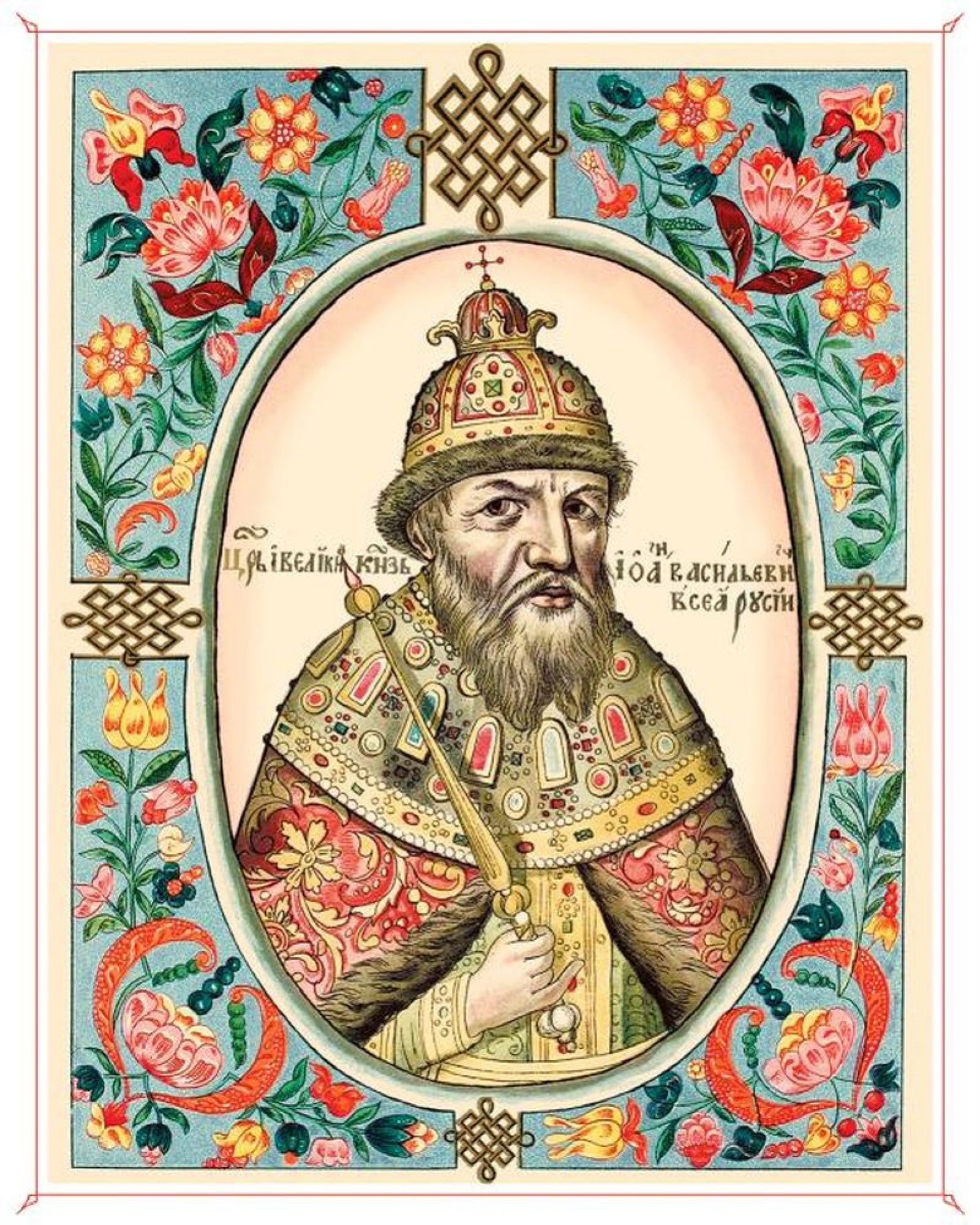
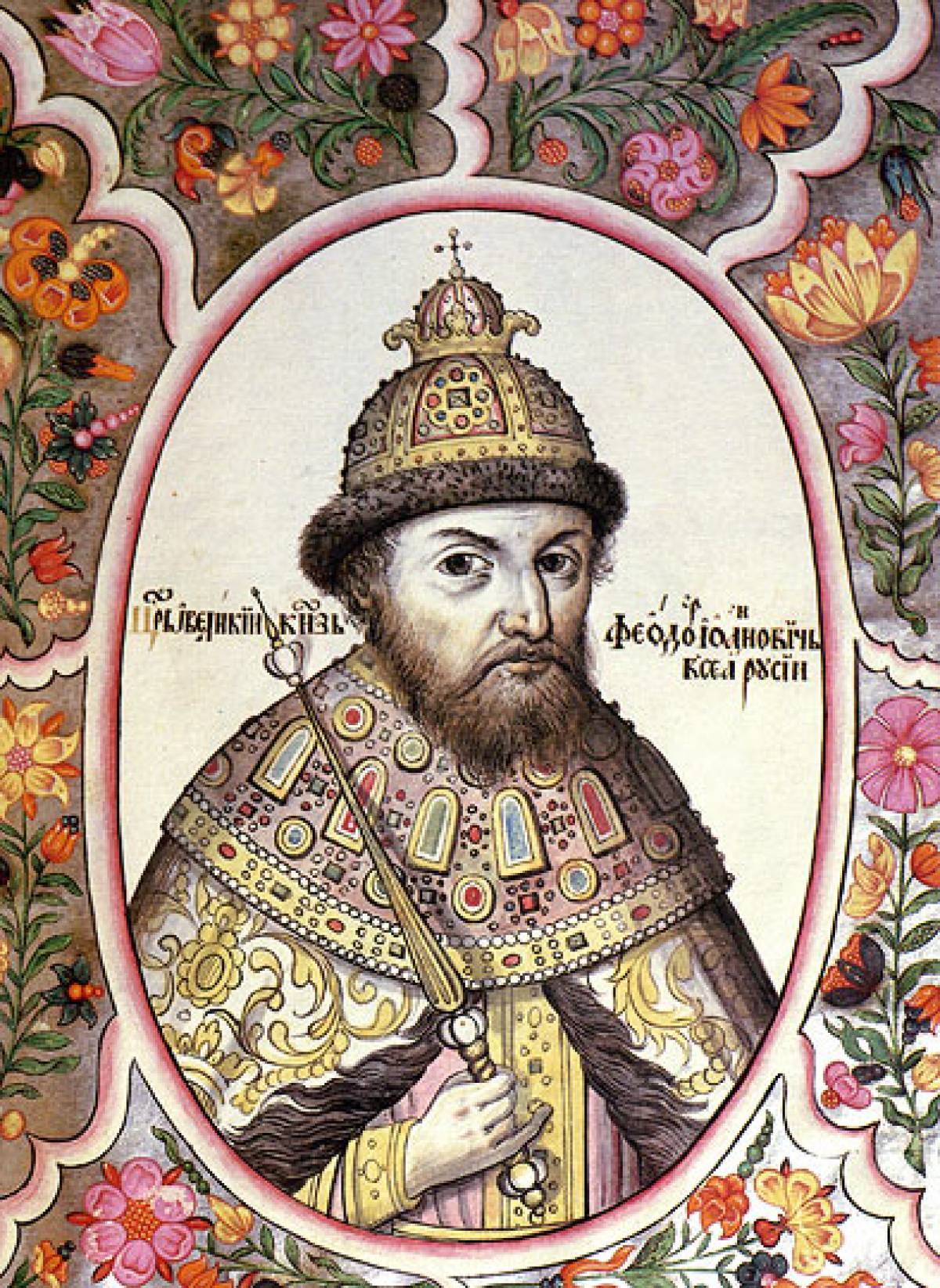
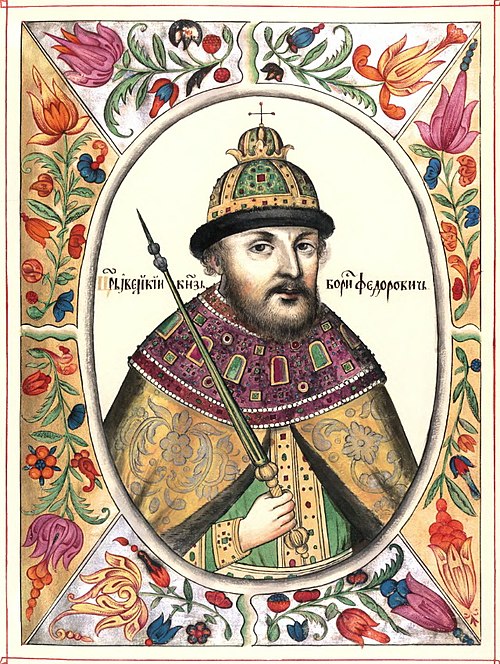
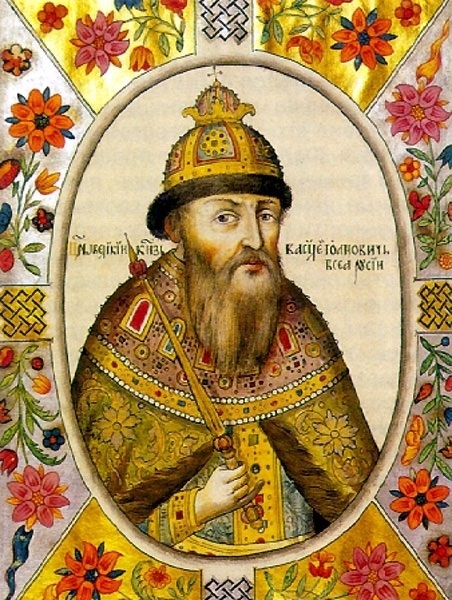
- John the Terrible (†7092 AM)
- Theodore the Blessed (†7106 AM)
- Irene (Alexandra) (†7111 AM)
Non-dynastic:
- Boris Godunov (Bogolep) (†7114 AM)
- Theodore Godunov (†7114 AM)
- Basil Šuisky (†7121 AM)
It needs be said John the Terrible was not the first to take the name emperor, but only the first explicitly crowned so. John the Great took the name emperor when he married Sophia Palæologue—daughter of Thomas Palæologus, brother of Constantine Dragases Palæologus. Prior, St. Vladimir the Great, married Anna, daughter of Romanus II. Thus according to Christians,bMoscow is the heir to the mantle (chlamýs) of St. Constantine. This is signified by the crown of Monomakh’, which was gived to St. Vladimir Monomakh’ by Constantine Monomachus when the former wedded a relative of the latter. It was Basil (Barlaam in monasticism) who was told by Philotheus of Pskov (†7051 AM):
Two Romes have fallen. The third stands. And there will not be a fourth. No one will replace your Christian empire!
Romanov
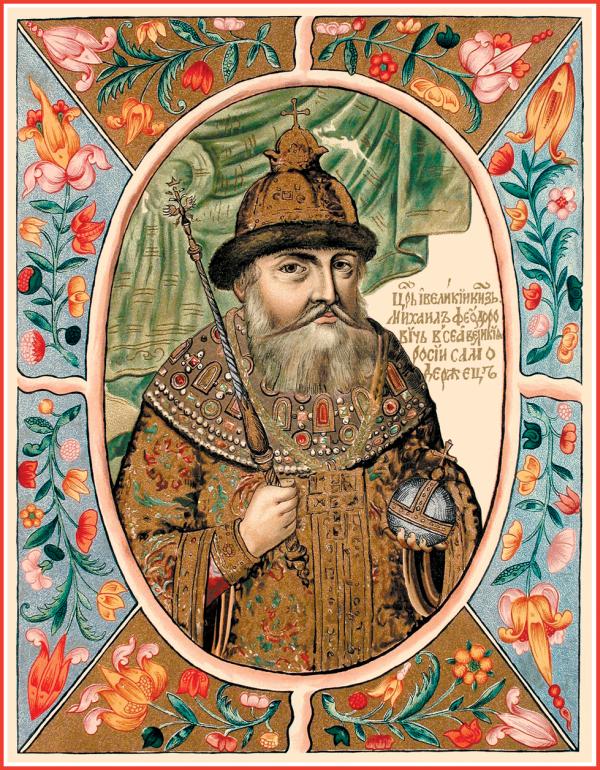
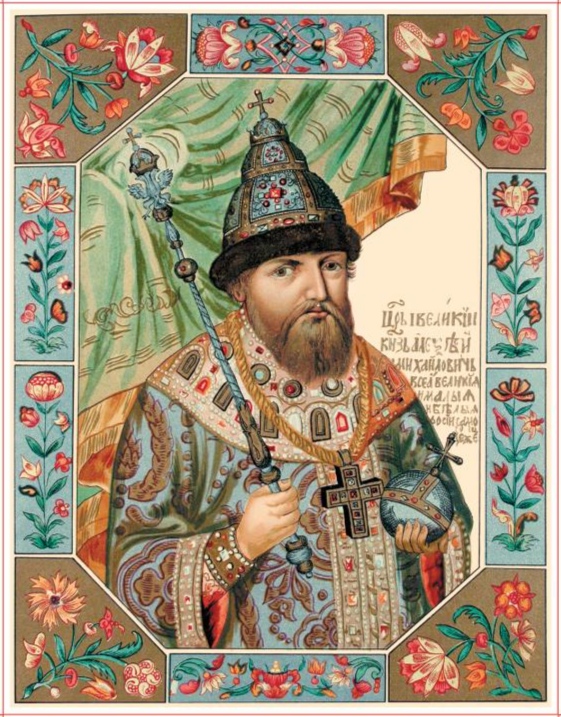
- Michael Romanov (†7153 AM)
- Alexis Romanov (†7184 AM)
- Theodore III Romanov (†71910 AM)
- John V Romanov (†7204 AM)
- Peter I Romanov (†7233 AM)
- Catherine I Romanov (†7235 AM)
- Peter II Romanov (†7238 AM)
- Anna Romanov (†7248 AM)
- John VI Antonovič (†7272 AM)
- Elizabeth Romanov (†7270 AM)
- Peter III Romanov (†7270 AM)
- Catherine II Romanov (†7305 AM)
- Paul Romanov (†7309 AM)
- Alexander I Romanov (†7334 AM)
- Nicholas I Romanov (†7363 AM)
- Alexander II Romanov (†7389 AM)
- Alexander III Romanov (†7403 AM)
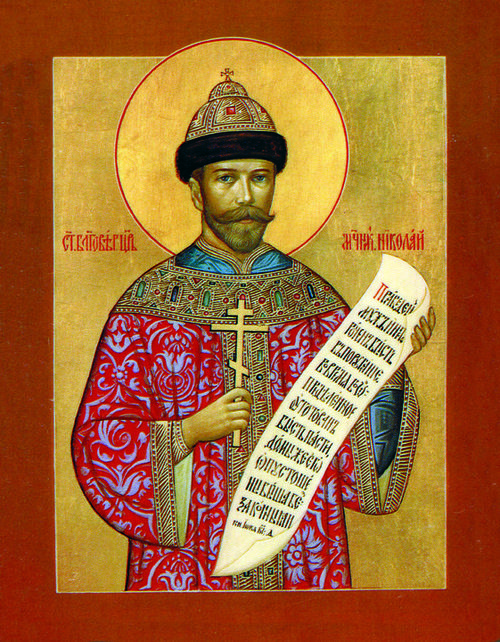
- St. Nicholas Romanov the Passion-bearer (†7426 AM)
After St. Nicholas Romanov the Passion-bearer, Russia was subjected to the Bolshevik yoke until 7500 AM.
Presidents
- Boris Eltsin (†7515 AM)
- Vladimir Putin (†— AM)
According to Christians, the Mother of God revealed to Eudocia of Kolomenskoe an icon of her enthroned, which is interpreted as meaning she is reigning as empress. Theophan of Poltava (†7448 AM)—who was the father-confessor of St. Nicholas the Passion-bearer—said:
The people themselves will restore the Orthodox monarchy. A mighty emperor will be placed upon the throne by God Himself. … He will be of the Romanov dynasty, through the maternal line.
Nations
The nation (éthnos), also called race, is a union of tribes (phylḗ), also called stock, which in turn is of families (génos), also called clans.
This union is properly & strictly of language (glō̂ssa). The union of stock may be be of ancestry. But bodily features & culture are accidental to nationality & tribe.
| 🚧 Under construction 🚧 |
Japheth
| Father | Nation |
|---|---|
| Gamer | 🇮🇪 Irish |
| Magog | (🇮🇷 Scythians) |
| Madœ | 🇮🇷 Iranians |
| Jovan | 🇬🇷 Greeks |
| Elisa | |
| Thobel | 🇬🇪 Georgians |
| Mosoch | (🇬🇷 Cappodocians) |
| Thiras | (🇧🇬 Thracians) |
Gamer
| Father | Nation |
|---|---|
| Aschanaz | 🇷🇺 Russians |
| 🇵🇱 Poles | |
| 🇨🇿 Czechs | |
| 🇷🇸 Serbians | |
| 🇧🇬 Bulgarians | |
| 🇸🇮 Slovenes | |
| 🇱🇹 Lithuanians | |
| 🇩🇪 Germans | |
| 🇳🇱 Dutch | |
| 🇸🇪 Swedes | |
| 🇬🇧 Britons | |
| Riphath | (🇹🇷 Paphlogonians) |
| Thorgama | 🇦🇲 Armenians |
Jovan
| Father | Nation |
|---|---|
| Elisa | (🇹🇷 Æolians) |
| Tharsis | (🇹🇷 Cilicians) |
| Cetians | (🇨🇾 Cetians) |
| Rhodians | (🇬🇷 Rhodians) |
Cham
| Father | Nation |
|---|---|
| Chus | 🇪🇹 Æthiopians |
| Mesraïn | (🇪🇬 Copts) |
| Phud | 🇲🇦 Berbers |
| Chanaan | (🇸🇾 Phœnicians) |
Chus
| Father | Nation |
|---|---|
| Saba | (🇾🇪 Arabians) |
| Evila | (🇩🇿 Getulians) |
| Sabatha | (🇪🇹 Astaborans) |
| Rhegma | ——— |
| Sabathaca | ——— |
Rhegma
| Father | Nation |
|---|---|
| Saba | |
| Dadan |
Mesraïn
| Father | Nation |
|---|---|
| Ludiim | ——— |
| Nephthalim | ——— |
| Enemetiim | ——— |
| Labiim | (🇱🇾 Libyans) |
| Patrosoniim | ——— |
| Chasmoniim | (🇵🇸 Palæstinians) |
| Gaphthoriim | ——— |
Chanaan
| Father | Nation |
|---|---|
| Sidon | (🇸🇾 Sidonians) |
| Chettite | (🇵🇸 Chettites) |
| Jebusite | (🇵🇸 Jebusites) |
| Amorite | (🇵🇸 Amorites) |
| Girgasite | (🇵🇸 Girgasites) |
| Evite | (🇵🇸 Evites) |
| Arucite | (🇸🇾 Arucites) |
| Asennite | (🇸🇾 Asennites) |
| Aradian | (🇸🇾 Aradians) |
| Samaræan | (🇸🇾 Samaræans) |
| Amathite | (🇸🇾 Amathites) |
Sem
| Father | Nation |
|---|---|
| Ælam | (🇮🇷 Persians) |
| Assur | (🇮🇶 Mesopatamians) |
| Arphaxad | (🇮🇶 Chaldæans) |
| Lud | (🇹🇷 Lydians) |
| Aram | 🇮🇶 Syrians |
| Caïnan |
Aram
| Father | Nation |
|---|---|
| Uz | (🇸🇾 Trachonitis) |
| Ul | |
| Gater | |
| Mosoch |
Arphaxad
| Father | Nation |
|---|---|
| Caïnan | |
| Sala | (🇮🇷 Cossæans) |
| Eber | 🇪🇬 Ægyptian Arabs |
| 🇸🇾 Syrian Arabs | |
| 🇸🇦 Gulf Arabs | |
| 🇱🇾 Libyan Arabs | |
| Phalec | |
| Jectan | 🇮🇳 Indians |
Jectan
| Father | Nation |
|---|---|
| Elmodad | |
| Saleth | |
| Sarmoth | |
| Jarach | |
| Hodorrha | |
| Æbel | |
| Decla | |
| Eval | |
| Abimael | |
| Saba | |
| Huphir | |
| Evila | |
| Jobab |
- 🇮🇪 Irish
- Properly, Hibernians, & also called the Scotti.
- Included the Gauls of 🇫🇷 France.
- Also called the Celts & Senones (Xenones).
- Included the Celtiberians of 🇪🇸 Spain.
- Included the Galicians of 🇪🇸 Spain.
- Included the Asturians of 🇪🇸 Spain.
- Included the Helvetians of 🇨🇭 Switzerland.
- Included the Galatians of 🇬🇷 Greece.
- Includes the Welsh of 🇬🇧 Britain.
- Properly, Britons.
- Includes the Manx of 🇬🇧 Britain.
- Includes the Gæls of 🇬🇧 Britian.
- Also called the Picts.
- 🇮🇷 Iranians
- Properly, Arians, & also called the Medes, & pars pro toto called the Persians.
- Absorbed the Scythians of 🇮🇷 Iran.
- Absorbed the Persians of 🇮🇷 Iran.
- Also called the Ælamites.
- Absorbed the Cossæans of 🇮🇷 Iran.
- Includes the 🇹🇯 Tajiks.
- 🇬🇷 Greeks
- Properly, Græcians, & also called the Hellenes.
- Absorbed the Lydians of 🇹🇷 Turkey.
- Absorbed the Cappodocians of 🇹🇷 Turkey.
- Absorbed the Paphlogonians of 🇹🇷 Turkey.
- Absorbed the Æolians of 🇹🇷 Turkey.
- Also called the Elisæans.
- Absorbed the Cilicians of 🇹🇷 Turkey.
- Absorbed the Rhodians of 🇬🇷 Greece.
- Includes the 🇨🇾 Cypriots.
- Absorbed the Cetians of 🇨🇾 Cyprus.
- 🇬🇪 Georgians
- Also called the Iberians (of the Caucasus).
- 🇷🇺 Russians
- Also called the Velikorussians, Ruthenes, Slavs (Sclaveni), Antæ, Wends (Venedi), Sarmatians, & Rheginians.
- Includes the 🇧🇾 Belorussians.
- Includes the 🇺🇦 Ukrainians.
- Properly, Malorussians.
- 🇵🇱 Poles
- Also called the Lechs, Pomeranians, Slavs (Sclaveni), Antæ, Wends (Venedi), Sarmatians, & Rheginians.
- Includes the Sorbians of 🇩🇪 Germany.
- Also called the Lusatian & White Serbs.
- 🇨🇿 Czechs
- Also called the Bohemians, Moravians, Slavs (Sclaveni), Antæ, Wends (Venedi), Sarmatians, & Rheginians.
- Includes the 🇸🇰 Slovachians.
- 🇷🇸 Serbians
- Also called the Slavs (Sclaveni), Antæ, Wends (Venedi), Sarmatians, & Rheginians.
- Includes the 🇲🇪 Montenegrins.
- Includes the 🇧🇦 Bosnians.
- Includes the 🇭🇷 Croatians.
- 🇧🇬 Bulgarians
- Also called the Slavs (Sclaveni), Antæ, Wends (Venedi), Sarmatians, & Rheginians.
- Absorbed the Thracians of 🇧🇬 Bulgaria.
- Included the Dacians of 🇷🇴 Romania.
- Includes the 🇲🇰 North Macedonians.
- 🇸🇮 Slovenes
- Also called the Carantanians, Slavs (Sclaveni), Antæ, Wends (Venedi), Sarmatians, & Rheginians.
- 🇱🇹 Lithuanians
- Also called the Prussians, Balts, Wends (Venedi), Sarmatians, & Rheginians.
- Includes the 🇱🇻 Latvians.
- 🇩🇪 Germans
- Also called the Alamanni, Swabian (Suebi), Thuringians, Irminones (Herminones), Germans, Sarmatians, & Rheginians.
- Included the Lombards (Longobardi) of 🇮🇹 Italy.
- Includes the 🇦🇹 Austrians.
- Includes the 🇨🇭 Swiss.
- Locally called the Helvetians.
- Includes the 🇱🇮 Liechtensteiners.
- 🇳🇱 Dutch
- Properly, Netherlanders, & also called the Hollanders, Burgundians, Istvæones, Germans, Sarmatians, & Rheginians.
- Includes the 🇧🇪 Belgians.
- Locally called, & also called the Flemings.
- Includes the 🇱🇺 Luxembourgish.
- Also called the Franci.
- 🇸🇪 Swedes
- Also called the Varangians, Normans, Teutons, Ingævones, Germans, Sarmatians, & Rheginians.
- Includes the 🇳🇴 Norwegians.
- Includes the 🇮🇸 Icelanders.
- Includes the 🇬🇱 Greenlanders.
- Includes the 🇩🇰 Danes.
- 🇬🇧 Britons
- Locally named, & also called the Angles, Normans, Teutons, Ingævones, Germans, Sarmatians, & Rheginians.
- Included the Jutes of 🇩🇰 Denmark.
- Also called the Cimbri.
- Included the Frisians of 🇳🇱 Netherlands.
- Also called the Chauci.
- Included the Saxons of 🇩🇪 Germany.
- Includes the 🇺🇸 Americans.
- Includes the 🇨🇦 Canadians.
- Includes the 🇦🇺 Australians.
- Includes the 🇳🇿 New Zealanders.
- 🇦🇲 Armenians
- Included the Phrygians of 🇹🇷 Turkey.
- 🇪🇹 Æthiopians
- Also called the Abyssinians & Chusites.
- Absorbed the Astaborans of 🇪🇹 Æthiopia.
- Also called the Sabathenes.
- Includes the 🇪🇷 Eriteans.
- 🇲🇦 Berbers
- Also called the Moors & Africans.
- Absorbed the Getulians of 🇩🇿 Algeria.
- Included the so called Libyans of 🇱🇾 Libya.
- Properly named the Numidians.
- Absorbed the Libyans of 🇱🇾 Libya.
- 🇮🇶 Syrians
- Called pars pro toto, & also called the Aramæans.
- Absorbed the Mesopotamians of 🇮🇶 Iraq.
- Also called the Babylonians & Assyrians.
- Included the Samaritans of 🇵🇸 Palæstine.
- Absorbed the Chaldæans 🇮🇶 Iraq.
- Also called the Chasdæans.
- Absorbed the Trachonitis of 🇸🇾 Syria.
- Absorbed the Hebrews 🇵🇸 Palæstine.
- Absorbed the Phœnicians of 🇸🇾 Syria.
- Also called the Africans.
- Included the Carthaginians of 🇹🇳 Tunisia.
- Included the Sidonians of 🇸🇾 Syria.
- Included the Chettites of 🇵🇸 Palæstine.
- Included the Jebusites of 🇵🇸 Palæstine.
- Included the Amorites of 🇵🇸 Palæstine.
- Included the Girgasites of 🇵🇸 Palæstine.
- Included the Evites of 🇵🇸 Palæstine.
- Included the Arucites of 🇸🇾 Syria.
- Also called the Tripolitanians.
- Included the Asennites of 🇸🇾 Syria.
- Included the Aradians of 🇸🇾 Syria.
- Included the Samaræans of 🇸🇾 Syria.
- Also called the Orthosians & Cœlesyrians.
- Included the Amathite of 🇸🇾 Syria.
- Absorbed the Palæstinians of 🇵🇸 Palæstine.
- Also called the Philistines.
- 🇪🇬 Ægyptian Arabs
- Also called the Nabatæans, Saracens, Hagarenes, & Ismaelites.
- Absorbed the Ægyptians of 🇪🇬 Ægypt.
- Also called the Copts.
- 🇸🇾 Syrian Arabs
- Also called the Nabatæans, Saracens, Hagarenes, & Ismaelites.
- Also called the Levantines.
- Includes the 🇱🇧 Lebanese Arabs.
- Includes the 🇯🇴 Jordanian Arabs.
- Includes the 🇵🇸 Palæstinian Arabs.
- 🇸🇦 Gulf Arabs
- Also called the Nabatæans, Saracens, Hagarenes, & Ismaelites.
- Absorbed the Arabians of 🇾🇪 Yemen.
- Also called the Sabæans, & so called the Indians.
- Includes the 🇮🇶 Iraqis.
- Includes the 🇾🇪 Yemenis.
- Includes the 🇴🇲 Omanis.
- Includes the 🇶🇦 Qataris.
- Includes the 🇧🇭 Bahrainis.
- Includes the 🇰🇼 Kuwaitis.
- Includes the 🇦🇪 Emiratis.
- 🇱🇾 Libyan Arabs
- Also called the Maghrebis, Nabatæans, Saracens, Hagarenes, & Ismaelites.
- Includes the 🇹🇳 Tunisians.
- Includes the 🇲🇷 Mauritanians.
- Includes the 🇩🇿 Algerians.
- Includes the 🇲🇦 Moroccans.
- Includes the 🇪🇭 Western Saharans.
- Includes the 🇸🇩 Sudanese.
- Includes the 🇲🇹 Maltese.
- 🇮🇳 Indians
- Includes the 🇵🇰 Pakistanis.
Chronicles
Years
| Event | Year |
|---|---|
| Genesis | 1 AM |
| Flood of Noe | 2242 AM |
| Tower at Babel | 2776 AM |
| Flood of Ogygus | 3756 AM |
| Hebrew Exodus | 3817 AM |
| Flood of Deucalion | 4038 AM |
| Conquest of Troy | 4330 AM |
| Temple of Solomon | 4478 AM |
| First Olympic Games | 4733 AM |
| Foundation of Rome | 4752 AM |
| Hebrew Exile | 4895 AM |
| Advent of the Lord | 5509 AM |
| (Universal history in bold.) |
Calender Æras
| Æra | Origin |
|---|---|
| Anno Mundi | Genesis |
| Anno Domini | Advent of the Lord |
| Anno Martyrum | Reign of Diocletian |
| Anno Græcorum | Reign of Seleucus |
| Anno Urbis Conditæ | Foundation of Rome |
| Olympiad | Olympic Games |
- Anno Domini is also called Anno Salutis.
- Anno Martyrum, also called Anno Diocletiani, began on the August 29 (i.e. Thout 1, see the Ægyptian page).
- Anno Græcorum, used by the Assyrians, began on 5180 AM.
- Anno Urbis Conditæ begins four years after the foundation of Rome, in 4756 AM.
- Each Olympiad is a four year interval.
Traditionally, particular years were told in relation to a ruler or event. Christians count from the genesis of creation, except for the Alexandrians, which count from Diocletian’s persecution, & the Latins, which count from the Advent of the Lord.
Wonders
- Pharos of Alexandria
- Jupiter of Olympia
- Hanging Gardens of Babylon
- Colossus of Rhodes
- Pyramid of Ægypt
- Mausoleum of Halicarnassus
- Temple of Diana at Ephesus
The Hanging Gardens are also called the Walls of Babylon. It was built during the reign of the Babylonian king Nabuchodonosor.
The Pyramid was built during the reign of the Memphis king Suphis (3103 AM), but Herodotus says Cheops.
Money
| Roman | Greek | Persian |
|---|---|---|
| Nummus = 1 nummus | Drachma = 1 drachma | ————— |
| Follis = 40 nummi | Mina = 100 drachmæ | Siglus = 1 siglus |
| Solidus = 420 folles | Talent = 60 minæ | Daric = 20 sigli |
| Russian | British |
|---|---|
| Kopeck = 1 kopeck | Penny = 1 penny |
| —————— | Shilling = 12 pence |
| Ruble = 100 kopecks | Pound = 20 shillings |
Silver coins were fist minted by Allyattes, king of Lydia. Gold coins were first minted by Cyrus, king of Persia, when he conquered Lydia.
References
Politics
- Constantine Porphyrogenitus. De Cerimoniis.
- Aristotle. Politica.
Nations
Christian
- Chalcocondyles, Laonicus. Demonstrations of Histories.
- Zonaras, John. Epitome Historiarum.
- Cedrenus, George. A Concise History of the World.
- Scylitzes, John. Synopsis Historiarum.
- Attaliates, Michael – Historia.
- Psellus, Michael – Chronographia.
- Comnena, Anna. Alexiad.
- Constantine Porphyrogenitus. De Administrando Imperio.
- Nicephorus of Constantinople, St. Historia Brevriarum.
- Simocatta, Theophylact. Chronographia.
- Chronicon Paschale.
- Theophanes the Confessor, St. Chronicon.
- Syncellus, George. Extract of Chronography.
- Malalas, John. Chronographia.
- Hippolytus of Rome, St. Chronicon.
- Sozomen, Salaminius Hermias. Historia Ecclesiastica.
- Scholasticus, Socrates. Historia Ecclesiastica.
- Pamphilius, Eusebius. Historia Ecclestiastica.
- Pamphilius, Eusebius. Chronicon.
- Isidore of Seville, St. Etymologiæ.
- Jerome, St. Chronicon.
- Joseph, Flavius. Antiquities of the Jews.
Greek
- Plutarch. Parallel Lives.
- Diodorus of Sicily. Bibliotheca Historica.
- Callisthenes. Life of Alexander.
- Strabo. Geographica.
- Herodotus. Historiæ.
- Xenophon. Anabasis.
- Thucydides. The Peloponnesian War.
- Homer. Odyssey.
- Homer. Illiad.
- Hesiod. Works & Days.
- Hesiod. Theogny.
Latin
- Virgil. Æneid.
- Ovid. Metamorphoses.
Germanic
- Grammaticus, Saxo. Gesta Danorum.
- O’Clery, Michael. Annals of the Four Masters.
- The Anglo-Saxon Chronicle
- Geoffrey of Monmouth. Historia Regum Britanniæ.
- Nennius. Historia Brittonum.
- Bede, St. Historia Ecclesiastica Gentis Anglorum.
- Jordanes. Getica.
- Tacitus. Germania.
Russian
- Nestor the Chronicler, St. Tale of Bygone Years.
Georgian
- The Conversion of Georgia.
- The Georgian Royal Annals.