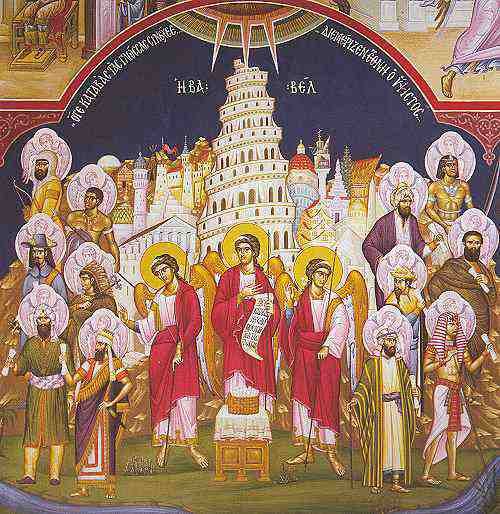
| 🇸🇾 Arabian | اَلْعَرَبِيَّةُ |
| 🇬🇷 Greek | ἑλληνική |
| 🇫🇷 Latin | latinum |
| 🇷🇺 Slavonic | славянский |
| 🏴 English | ᚫᛝᛚᛁᛋᚳ |
| 🇬🇪 Georgian | ქართული |
| 🇪🇹 Æthiopian | ዐምሐራ |
| 🇮🇳 Indian | हिन्दी |
Alphabet
| Arabian | Greek | Latin | Slavonic | Georgian | Æthiopian | Indian |
|---|---|---|---|---|---|---|
| ا | α | a | а | ა | አ | अ |
| ب | β | b | в б | ბ | በ | ब |
| ج | γ | c g | г | გ | ገ | ग |
| د | δ | d | д | დ | ደ | ध |
| ه | ε | e | е э | ე | ሀ | ह |
| و | ϛ υ | f u y | у ѵ | ვ ჳ | ወ | व |
| ز | ζ | z | з ѕ | ზ | ዘ | ज |
| ح | η | h | ჱ ღ | ሐ ኀ | घ | |
| ط | θ | ѳ | თ | ጠ | थ | |
| ي | ι | i | і и | ი ჲ | የ | य |
| ك | κ | k | к | ხ კ ჰ | ከ | क |
| ل | λ | l | л | ლ | ለ | ल |
| م | μ | m | м | მ | መ | म |
| ن | ν | n | н | ნ | ነ | न |
| س | ξ | x | ѯ | შ | ሰ | ष |
| ع | ο | o | о | ო | ዐ | ए |
| ف | π | p | п | პ | ፈ | प |
| ص | ϡ | ჩ ჭ | ጸ | च | ||
| ق | ϟ | q | ҁ | ჟ ჯ ჴ ყ | ቀ | ख |
| ر | ρ | r | р | რ | ረ | र |
| س | σ | s | с | ს ც | ሠ | श |
| ت | τ | t | т | ტ წ ძ | ተ | त |
| φ | ф | ფ | ||||
| χ | ქ | |||||
| ψ | ѱ | |||||
| ω | ѡ | ჵ |
Codices are written in uncial (now called lowercase), & capitals (now called uppercase) are used for chapter initial decoration. The terms upper- & lowercase are from printing presses.
According to Christians, Moses, from Ægypt, invented letters, which survives today as Arabian, & also taught the hieroglyphs to the Ægyptians.
But according to the gentiles, Hermes was the first to invent letters, who then taught it to the Ægyptians, &c. They also credit Phœbus with some letters.
Cadmus (3769 AM), from Phonœcia, taught a form of Syrian letters to the Greeks
Carmenta (3977 AM) taught a form of Greek letters to the Italians, which survives as Latin.
Palamedes (4330 AM), son of Nauplius, is said to have invented some letters. These must have been: φ χ.
Simonides the Lyricist (5041 AM) also invented the letters: η ω ξ ψ.
Aristophanes of Byzantium (5324 AM) invented accent, breath, & punctuation marks.
Pharnabazus (5272 AM) taught a form of Syrian letters to the Caucasians, which survives as Georgian.
The Æthiopians received a form of Hebrew letters, which was reformed by St. Frumentius of Axum (†5892 AM).
Bishop Ulfilas (†5889 AM) taught a form of Greek letters to the Germans, called Gothic.
Mesropius Mastotzes (†5949 AM) & Isaac the Parthian (†5947 AM)—together with the Armenian king Bramsapuchus, Bishop Daniel of Mesopotmia, & Rufinus of Samosata—reformed Georgian letters for the Armenians, which survives as Armenian.
SS. Cyril (†6378 AM) & Methodius (†6394 AM) taught a form of Greek letters to the Slavs, further developed by SS. Clement of Ochrid (†6425 AM), Naum, Sabbas, Gorazd, Angelar, which survives as Slavonic, also called Cyrillic.
Indian Brachmins received a form of seemingly Syrian letters.
The Assyrian cuneiform would seem to have been formed from the Ægyptian hieroglyphs. Chinese han-tzu, in turn, would seem to have been formed from Assyrian cuneiform. This is my opinion.
Pronunciation
The following letters are used so for pronunciation on each language page:
| Letter | Acrophone |
|---|---|
| a | ash |
| b | birch |
| c | keen |
| d | day |
| ð | that |
| e | equus |
| f | fee |
| g | gift |
| h | hail |
| i | ice |
| l | lake |
| m | man |
| n | need |
| o | odal |
| p | pawn |
| r | ride |
| s | sun |
| t | tide |
| th | thorn |
| u | urus |
| v | vale |
| z | zeta |
| ng | thing |
| ci | chalk |
| gi | giant |
Numerals
| Arabian | Greek | Latin | Slavonic | Georgian | Indian |
|---|---|---|---|---|---|
| ا | α̅ | j. | а҃ | ა | 1 |
| ب | β̅ | ij. | в҃ | ბ | 2 |
| ج | γ̅ | iij. | г҃ | გ | 3 |
| د | δ̅ | iv. | д҃ | დ | 4 |
| ه | ε̅ | v. | є҃ | ე | 5 |
| و | ϛ̅ | vj. | ѕ҃ | ვ | 6 |
| ز | ζ̅ | vij. | з҃ | ზ | 7 |
| ح | η̅ | viij. | и҃ | ჱ | 8 |
| ط | θ̅ | ix. | ѳ҃ | თ | 9 |
| ي | ι̅ | x. | і҃ | ი | 10 |
| ك | κ̅ | xx. | к҃ | კ | 20 |
| ل | λ̅ | xxx. | л҃ | ლ | 30 |
| م | μ̅ | xl. | м҃ | მ | 40 |
| ن | ν̅ | l. | н҃ | ნ | 50 |
| س | ξ̅ | lx. | ѯ҃ | ჲ | 60 |
| ع | ο̅ | lxx. | ѻ҃ | ო | 70 |
| ف | π̅ | lxxx. | п҃ | პ | 80 |
| ص | ϟ̅ | xc. | ч҃ | ჟ | 90 |
| ق | ρ̅ | c. | р҃ | რ | 100 |
| ر | σ̅ | cc. | с҃ | ს | 200 |
| ش | τ̅ | ccc. | т҃ | ტ | 300 |
| ت | υ̅ | cd. | ѵ҃ | ჳ | 400 |
| ث | φ̅ | d. | ф҃ | ფ | 500 |
| خ | χ̅ | dc. | х҃ | ქ | 600 |
| ذ | ψ̅ | dcc. | ѱ҃ | ღ | 700 |
| ض | ω̅ | dccc. | ѡ҃ | ყ | 800 |
| ظ | ϡ̅ | cm. | ц҃ | შ | 900 |
| غ | ͵α̅ | m. | ҂а҃ | ჩ | 1,000 |
- Greek:
- For continued counting, place a numeral over Μ (for myriás) to multiply ten thousands by it: e.g. ϛ̅Μ = 10,000 * 6.
- For fractional counting, append
ʹto the numeral: e.g. ϛ̅ʹ = 1/6. - Latin:
- For continued counting, place
◌̅over a numeral to multiply the number by one thousand: e.g. vj͞. = 6 * 1,000. - For fractional counting, append · for 1/12, : for 2/12, &c., s for 6/12, s· for 7/12, &c.
- Slavonic:
- For continued counting, prefix
҂to multiply the following number by 1,000, but also overlay⃝for 10,000,҈for 100,000,҉for 1,000,000,꙰for 10,000,000,꙱for 100,000,000, &꙲for 1,000,000,000. - Georgian:
- For continued counting up to ten thousands, the rest of the alphabet is used, i.e. ც ძ წ ჭ ხ ჴ ჯ ჰ ჵ.